Ted Rosenthal

Jazz
Avant-garde Jazz
Jazz Fusion
 Viberate Rank: 468521
 Viberate Rank: 468521
 Monthly ListenersFollowers
 Subscribers
 Followers
 Followers
 FansTop Spotify SongsTop YouTube VideosMonthly ListenersFeatured in Playlists
| Playlist | Followers | |
|---|---|---|
1 |  Soft Jazz, So Sweet Arkadia Records | 6.80K |
2 |  Jazz Classics from Arkadia Arkadia Records | 2.90K |
Audience| City | Monthly Listeners | |
|---|---|---|
1 | | 7 |
2 | | 5 |
3 |  | 4 |
4 | | 4 |
5 |  | 4 |
See full performance history, audience data, playlist activity, rankings, comparisons, and more in Viberate music analytics. Start with a free trial, then continue with a paid plan.
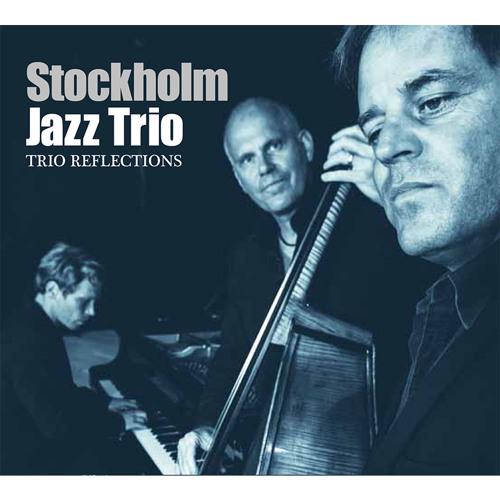
Ted Rosenthal’s Spotify BioA fine modern mainstream pianist, Ted Rosenthal first gained fame when he won the second annual Thelonious Monk International Piano Competition in 1988. In 1990 he recorded his debut set as a leader for Ken and has since recorded as a leader for CTI, the Jazz Alliance, Concord (including an entry in the legendary Maybeck Recital Hall series), Playscape, Planet Arts, and Venus Records. Rosenthal worked as part of the last Gerry Mulligan Quartet during 1992-1995, making three CDs with the baritonist. He has also worked with Art Farmer, Jon Faddis, Benny Golson, James Moody, Jim Hall, Phil Woods, Mel Lewis, Lee Konitz, and Michael Brecker, among many others, and with David Sanborn on the NBC series Night Music. His recordings during the 2000s have included 2004's One Night in Vermont (a Planet Arts live date in duet with trombonist Bob Brookmeyer), 2006's The King and I (a Venus Records release with Rosenthal in a trio with bassist George Mraz and drummer Lewis Nash, interpreting songs… from the Rodgers & Hammerstein musical), and 2008's My Funny Valentine (also on Venus Records and also a trio date, with Mraz returning on bass and with Al Foster on drums, interpreting jazz standards from the repertoire of Helen Merrill). Released in 2010, the Playscape label recording Impromptu featured Rosenthal interpreting the works of classical composers (Brahms, Chopin, Mozart, Puccini, Schubert, Schumann, and Tchaikovsky) with bassist Noriko Ueda and drummer Quincy Davis. Ted Rosenthal graduated from the Manhattan School of Music and serves as a faculty member there; he is also on the faculties of the Juilliard School and the New School/Mannes College of Music. ~ Scott Yanow, Rovi
Viberate is a music analytics platform built for A&Rs, artist managers, labels, booking agents, marketers, and artists.
It helps music professionals track artist growth, analyze audience data, monitor playlist activity, compare artists, follow song performance, and identify opportunities across the music market.
Public artist pages provide a free preview of selected artist data. Paid plans provide access to deeper analytics, historical data, charts, comparisons, playlist tools, exports, alerts, reports, and additional professional features.
Yes. Public Viberate artist pages provide selected artist analytics and music data for free.
Viberate also offers a 7-day free trial of the full platform. A credit card is required to start the trial. The trial includes access to the complete product so users can test deeper artist analytics, historical views, playlist insights, comparisons, charts, exports, alerts, and reporting features before choosing a paid plan.
Viberate provides artist analytics across streaming, playlists, social media, video, radio airplay, songs, and audience markets.
Users can analyze Spotify performance, Spotify and Apple Music playlists, YouTube activity, TikTok and Instagram growth, radio spins, song performance, audience locations, demographics, rankings, and overall artist momentum.
Artist profiles also connect to music charts, similar artists, and comparison tools, helping users benchmark performance and evaluate artists in context.
Viberate updates key artist and track data daily.
For followed artists and tracks, selected data is refreshed multiple times per day. This helps teams monitor playlist changes, streaming movement, audience growth, releases, and campaign performance with more current data.
Update frequency can vary depending on the metric and data source.
Yes. Viberate lets users compare up to five artists side by side across streaming, social media, audience, and engagement metrics.
Users can compare fanbase growth, audience demographics, locations, Spotify performance, social metrics, and other artist data over selected time periods.
Artist comparison can be used for A&R scouting, benchmarking, booking decisions, campaign planning, and evaluating artists with similar audiences or market positions.