TeamMate

Pop
Indie Pop
 Viberate Rank: 264632
 Viberate Rank: 264632
 Monthly ListenersFollowers
 Subscribers
 Followers
 Followers
 FansTop Spotify Songs
| Track | 7-Day Streams | |
|---|---|---|
1 | 4.53K | |
2 | 1.32K | |
3 | 1.02K | |
4 | 580 | |
5 | 432 |
Top YouTube VideosMonthly ListenersFeatured in Playlists| Playlist | Followers | |
|---|---|---|
1 | Summer Sunshine lizyeomans | 72.01K |
2 | DevKiper Kiper | 56.18K |
3 |  Workout hype 🔥 Kalob Pitson | 34.40K |
4 |  Hipster Morning Darren O'Rourk | 33.62K |
5 | NCS Release 黃軥 | 33.34K |
Audience| City | Monthly Listeners | |
|---|---|---|
1 | | 76 |
2 | | 67 |
3 | | 58 |
4 | | 44 |
5 |  | 39 |
See full performance history, audience data, playlist activity, rankings, comparisons, and more in Viberate music analytics. Start with a free trial, then continue with a paid plan.
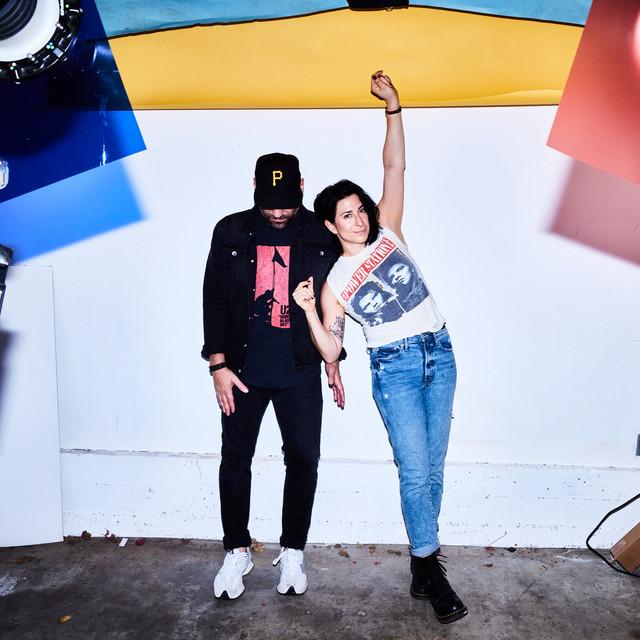
TeamMate’s Spotify BioLos Angeles duo TeamMate make synthy, emotive, indie-electronic pop. Formed in 2013, TeamMate feature former Argument singer/multi-instrumentalist Scott Simons and former Big Hurry singer/drummer Dani Buncher. Originally, Simons and Buncher met at West Virginia University in the late '90s and dated for ten years. During this period, Simons toured regularly with the Argument and Buncher played drums in various bands, eventually basing herself in New York where she also worked for Arista Records. It wasn't until they had both relocated to Pittsburgh that Buncher revealed she was gay and the couple broke up. Subsequently, Simons moved to Los Angeles to pursue a solo career. However, rather than driving them apart, the breakup found them forging a new creative bond. Buncher soon jumped on board as a backing drummer for several of Simons' shows. That led to songwriting collaborations online and eventually they transformed into a full-fledged band with Simons and Buncher explicitly writing… songs together about their past relationship. In 2013, they released an EP, The Sequel, after which Buncher also moved to Los Angeles. Tours followed, including support slots for OneRepublic, Skylar Grey, and others. They signed with Rostrum Records and in 2017 delivered the full-length TeamMate, which showcased their yearning, upbeat, '80s synth pop-influenced sound. ~ Matt Collar, Rovi
Viberate is a music analytics platform built for A&Rs, artist managers, labels, booking agents, marketers, and artists.
It helps music professionals track artist growth, analyze audience data, monitor playlist activity, compare artists, follow song performance, and identify opportunities across the music market.
Public artist pages provide a free preview of selected artist data. Paid plans provide access to deeper analytics, historical data, charts, comparisons, playlist tools, exports, alerts, reports, and additional professional features.
Yes. Public Viberate artist pages provide selected artist analytics and music data for free.
Viberate also offers a 7-day free trial of the full platform. A credit card is required to start the trial. The trial includes access to the complete product so users can test deeper artist analytics, historical views, playlist insights, comparisons, charts, exports, alerts, and reporting features before choosing a paid plan.
Viberate provides artist analytics across streaming, playlists, social media, video, radio airplay, songs, and audience markets.
Users can analyze Spotify performance, Spotify and Apple Music playlists, YouTube activity, TikTok and Instagram growth, radio spins, song performance, audience locations, demographics, rankings, and overall artist momentum.
Artist profiles also connect to music charts, similar artists, and comparison tools, helping users benchmark performance and evaluate artists in context.
Viberate updates key artist and track data daily.
For followed artists and tracks, selected data is refreshed multiple times per day. This helps teams monitor playlist changes, streaming movement, audience growth, releases, and campaign performance with more current data.
Update frequency can vary depending on the metric and data source.
Yes. Viberate lets users compare up to five artists side by side across streaming, social media, audience, and engagement metrics.
Users can compare fanbase growth, audience demographics, locations, Spotify performance, social metrics, and other artist data over selected time periods.
Artist comparison can be used for A&R scouting, benchmarking, booking decisions, campaign planning, and evaluating artists with similar audiences or market positions.