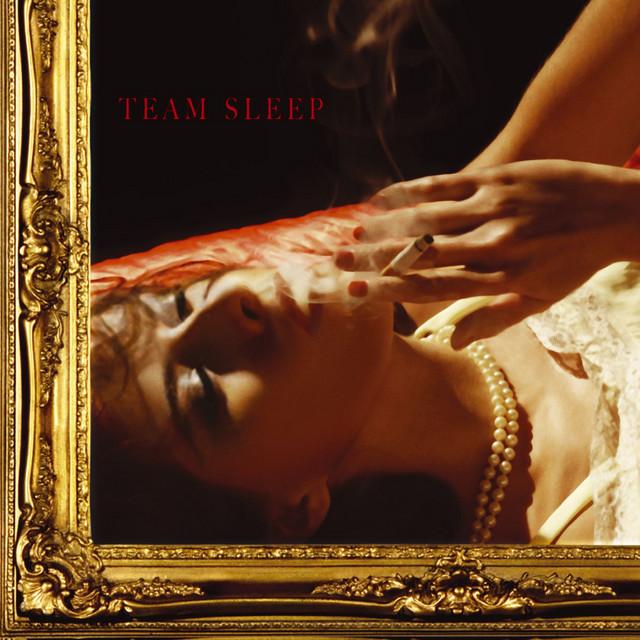
Team Sleep

Rock
Alternative Rock
Shoegaze
 Viberate Rank: 37625
 Viberate Rank: 37625
 Monthly ListenersFollowers
 Subscribers
 Followers
 Followers
 FansTop Spotify Songs
| Track | 7-Day Streams | |
|---|---|---|
1 | 274.04K | |
2 | 156.78K | |
3 | 76.03K | |
4 | 46.07K | |
5 | 41.04K |
Top YouTube VideosMonthly ListenersFeatured in Playlists| Playlist | Followers | |
|---|---|---|
1 |  ALLURE Spotify | 420.93K |
2 |  Dirty nasty slutty metal 🦇 Kaitlyn 🦇 | 131.99K |
3 | deftones gym playlist to go insane to ig @pbnis | 96.87K |
4 |  This Is Chino Moreno Spotify | 85.88K |
5 |  Slutty goth music Kash | 85.60K |
Audience| City | Monthly Listeners | |
|---|---|---|
1 | | 17.09K |
2 | | 14.28K |
3 | | 13.57K |
4 | | 13.05K |
5 | | 13.01K |
See full performance history, audience data, playlist activity, rankings, comparisons, and more in Viberate music analytics. Start with a free trial, then continue with a paid plan.
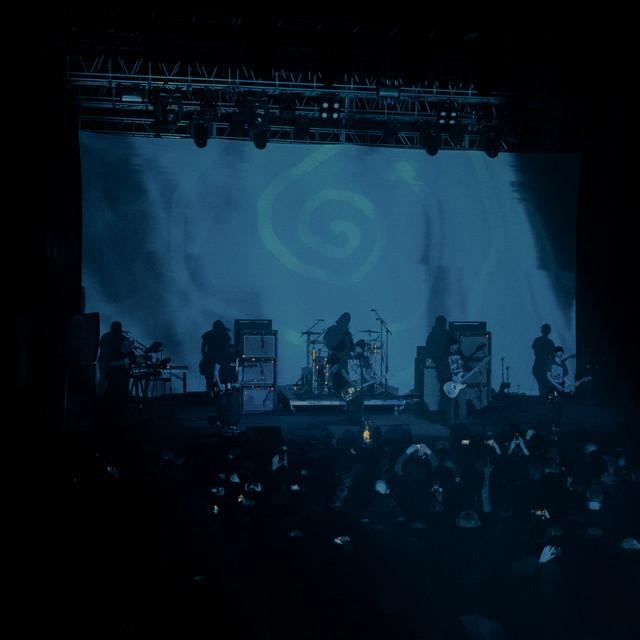
Team Sleep’s Spotify BioAfter the success of the Deftones' third album, The White Pony, singer Chino Moreno announced his intentions to tackle a new project and take time off from his band. This project ended up becoming Team Sleep, a band made up of vocalist Moreno, turntablist DJ Crook, and guitarist Todd Wilkinson. Wilkinson was a childhood friend of Moreno's, and in fact had never played on an album before. The group tried to blend the moody heaviness of Moreno's other group with the heady beats of Massive Attack. They entered the studio toward the tail-end of 2001, working with producer Terry Date on their debut. Guest musicians such as ex-Hole bassist Melissa Auf Der Maur, Helium singer Mary Timony, Mr. Bungle/Faith No More frontman Mike Patton, and several Deftones members also contributed to the album. The band took the music to the road during the recording, attempting to flesh out their sound and gain some road experience with each other. Their self-titled debut finally arrived in spring 2005. In… 2014, after an extended hiatus, Moreno announced that Team Sleep had reunited to work on a follow-up to their debut. Recorded at Applehead Recording studio in Woodstock, New York, Team Sleep's as-yet-untitled sophomore album was tentatively slated for release in 2015. ~ Bradley Torreano, Rovi
Viberate is a music analytics platform built for A&Rs, artist managers, labels, booking agents, marketers, and artists.
It helps music professionals track artist growth, analyze audience data, monitor playlist activity, compare artists, follow song performance, and identify opportunities across the music market.
Public artist pages provide a free preview of selected artist data. Paid plans provide access to deeper analytics, historical data, charts, comparisons, playlist tools, exports, alerts, reports, and additional professional features.
Yes. Public Viberate artist pages provide selected artist analytics and music data for free.
Viberate also offers a 7-day free trial of the full platform. A credit card is required to start the trial. The trial includes access to the complete product so users can test deeper artist analytics, historical views, playlist insights, comparisons, charts, exports, alerts, and reporting features before choosing a paid plan.
Viberate provides artist analytics across streaming, playlists, social media, video, radio airplay, songs, and audience markets.
Users can analyze Spotify performance, Spotify and Apple Music playlists, YouTube activity, TikTok and Instagram growth, radio spins, song performance, audience locations, demographics, rankings, and overall artist momentum.
Artist profiles also connect to music charts, similar artists, and comparison tools, helping users benchmark performance and evaluate artists in context.
Viberate updates key artist and track data daily.
For followed artists and tracks, selected data is refreshed multiple times per day. This helps teams monitor playlist changes, streaming movement, audience growth, releases, and campaign performance with more current data.
Update frequency can vary depending on the metric and data source.
Yes. Viberate lets users compare up to five artists side by side across streaming, social media, audience, and engagement metrics.
Users can compare fanbase growth, audience demographics, locations, Spotify performance, social metrics, and other artist data over selected time periods.
Artist comparison can be used for A&R scouting, benchmarking, booking decisions, campaign planning, and evaluating artists with similar audiences or market positions.