Tea

Pop
Indie Pop
Downtempo
 Viberate Rank: 593729
 Viberate Rank: 593729
 Monthly ListenersFollowers
 Subscribers
 Followers
 Followers
 FansTop Spotify Songs
| Track | 7-Day Streams | |
|---|---|---|
1 | 93 | |
2 | 87 | |
3 | 70 | |
4 | 33 | |
5 | 17 |
Top YouTube VideosMonthly ListenersFeatured in Playlists| Playlist | Followers | |
|---|---|---|
1 |  Late Night Tales Likes Late Night Tales | 12.99K |
2 |  Balearic Chris Coco | 7.30K |
3 |  100% Lounge Mario | 1.06K |
4 |  This Is Brian Auger Spotify | 1.03K |
Audience| City | Monthly Listeners | |
|---|---|---|
1 |  | 17 |
2 |  | 12 |
3 | | 11 |
4 |  | 8 |
5 |  | 8 |
See full performance history, audience data, playlist activity, rankings, comparisons, and more in Viberate music analytics. Start with a free trial, then continue with a paid plan.
Tea’s Spotify BioTea is distributed by Six Degrees Records.
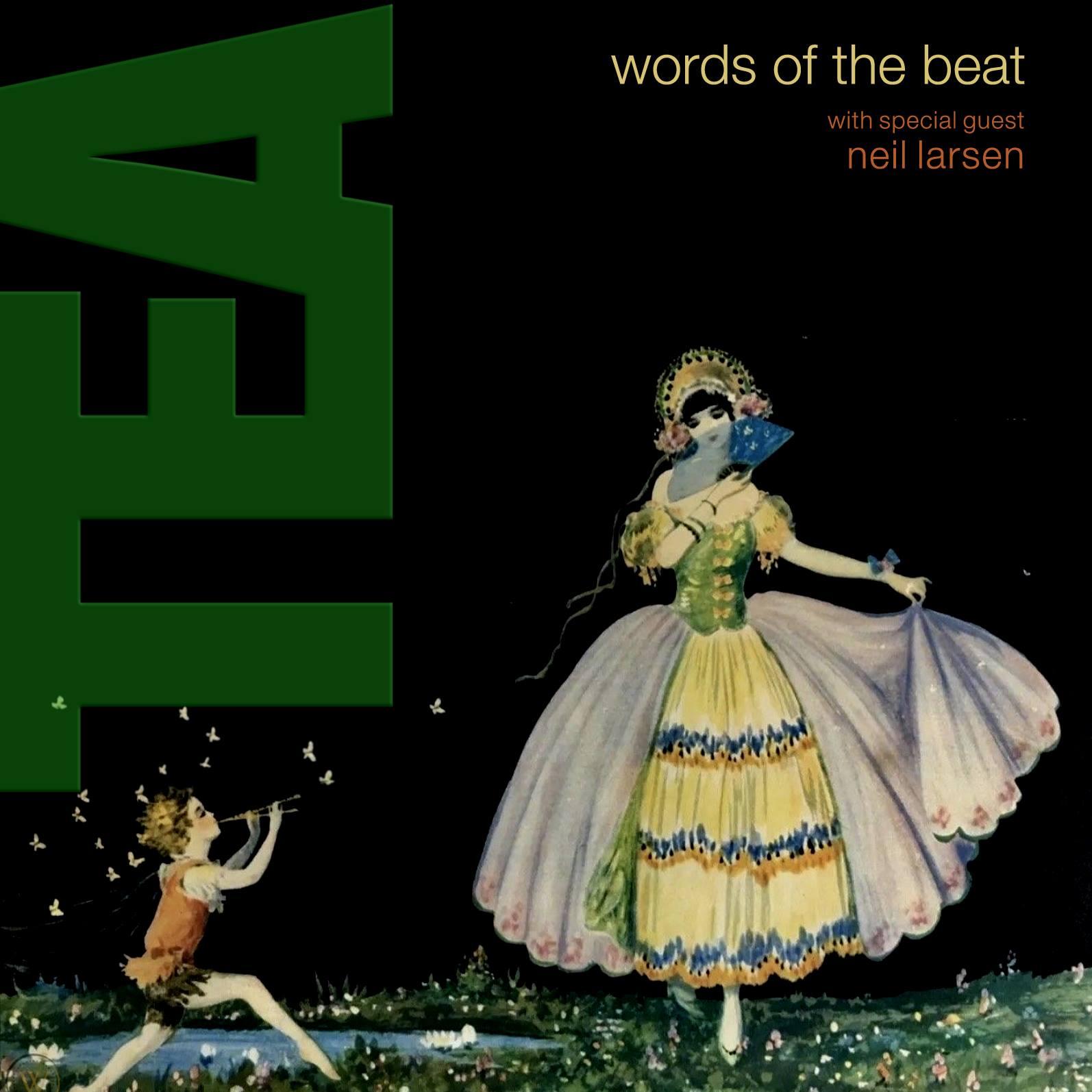
"Remedy for Love" is Tea's new single, featuring Neil Larsen on Hammond Organ and Minimoog.
“Haunty (The Tea Remix)” is Tea’s previous single, featuring Neil Larsen, André Manga, Bobby English and Frederic Meschin.
Tea's single “Mazes and Meadows (Sweatson Klank Remix)” is a new remix by international Remixer-Producer Sweatson Klank.
“Mazes and Meadows” is a Tea single, featuring Neil Larsen on organ.
It follows their single “Bilobela (The Tea Remix)”, which features “The Godfather of Acid Jazz”, Brian Auger on Hammond B3.
It follows “Ibiza Redoux”, a single also featuring Brian Auger.
Included on the most recent Tea releases is Grammy-nominated Neil Larsen on keyboards and horns.
Tea’s music is a blend of electronica, ambient, lounge, world and jazz electro-groove music.
Their songs have been remixed by Bombay Dub Orchestra, Sweatson Klank, Chris Coco (Cafe del Mar) and Holmes Ives.
After their first album “Voyages du Jour”, working with African… musicians from Manu Dibango, Fela Kuti and Tabu Ley Rochereau’s groups, Tea’s second album “Dreams” also included the “godfather of acid jazz”, legendary organist/pianist Brian Auger.
The collaboration continued with Tea’s production of Brian Auger’s solo album, “Language of the Heart”. Auger’s signature sound was also included on Tea’s third release, “Grand Cru”.
Tea is the duo of producers and musicians Phil Bunch and Franck Balloffet.
Viberate is a music analytics platform built for A&Rs, artist managers, labels, booking agents, marketers, and artists.
It helps music professionals track artist growth, analyze audience data, monitor playlist activity, compare artists, follow song performance, and identify opportunities across the music market.
Public artist pages provide a free preview of selected artist data. Paid plans provide access to deeper analytics, historical data, charts, comparisons, playlist tools, exports, alerts, reports, and additional professional features.
Yes. Public Viberate artist pages provide selected artist analytics and music data for free.
Viberate also offers a 7-day free trial of the full platform. A credit card is required to start the trial. The trial includes access to the complete product so users can test deeper artist analytics, historical views, playlist insights, comparisons, charts, exports, alerts, and reporting features before choosing a paid plan.
Viberate provides artist analytics across streaming, playlists, social media, video, radio airplay, songs, and audience markets.
Users can analyze Spotify performance, Spotify and Apple Music playlists, YouTube activity, TikTok and Instagram growth, radio spins, song performance, audience locations, demographics, rankings, and overall artist momentum.
Artist profiles also connect to music charts, similar artists, and comparison tools, helping users benchmark performance and evaluate artists in context.
Viberate updates key artist and track data daily.
For followed artists and tracks, selected data is refreshed multiple times per day. This helps teams monitor playlist changes, streaming movement, audience growth, releases, and campaign performance with more current data.
Update frequency can vary depending on the metric and data source.
Yes. Viberate lets users compare up to five artists side by side across streaming, social media, audience, and engagement metrics.
Users can compare fanbase growth, audience demographics, locations, Spotify performance, social metrics, and other artist data over selected time periods.
Artist comparison can be used for A&R scouting, benchmarking, booking decisions, campaign planning, and evaluating artists with similar audiences or market positions.