Tarnation

Country
Contemporary Country
Alternative Rock
 Viberate Rank: 384391
 Viberate Rank: 384391
 Monthly ListenersFollowers
 Subscribers
 Followers
 Followers
 FansTop Spotify Songs
| Track | 7-Day Streams | |
|---|---|---|
1 | 447 | |
2 | 276 | |
3 | 132 | |
4 | 96 | |
5 | 69 |
Top YouTube VideosMonthly ListenersFeatured in Playlists| Playlist | Followers | |
|---|---|---|
1 |  slowcore Spotify | 212.04K |
2 | Covers (that are better than the originals) JTG | 209.14K |
3 | The Ultimate Cover Song Playlist Anna OBrien | 19.48K |
4 |  Fall (Numero Group) Numero Group Concierge | 15.36K |
5 |  Best of 4AD: 1980-2000 4AD | 11.41K |
Audience| City | Monthly Listeners | |
|---|---|---|
1 |  | 69 |
2 | | 56 |
3 | | 47 |
4 |  | 44 |
5 | | 43 |
See full performance history, audience data, playlist activity, rankings, comparisons, and more in Viberate music analytics. Start with a free trial, then continue with a paid plan.
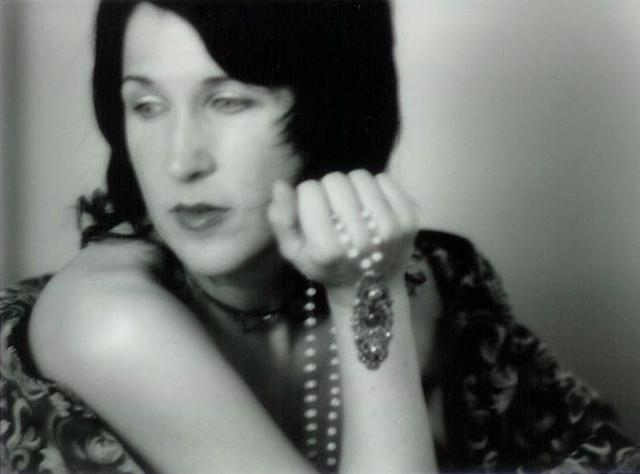
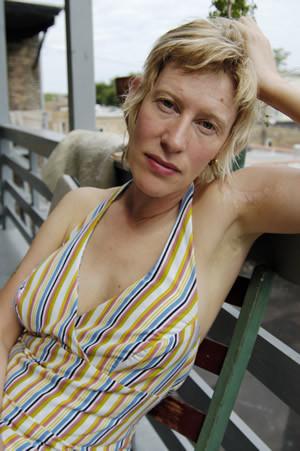
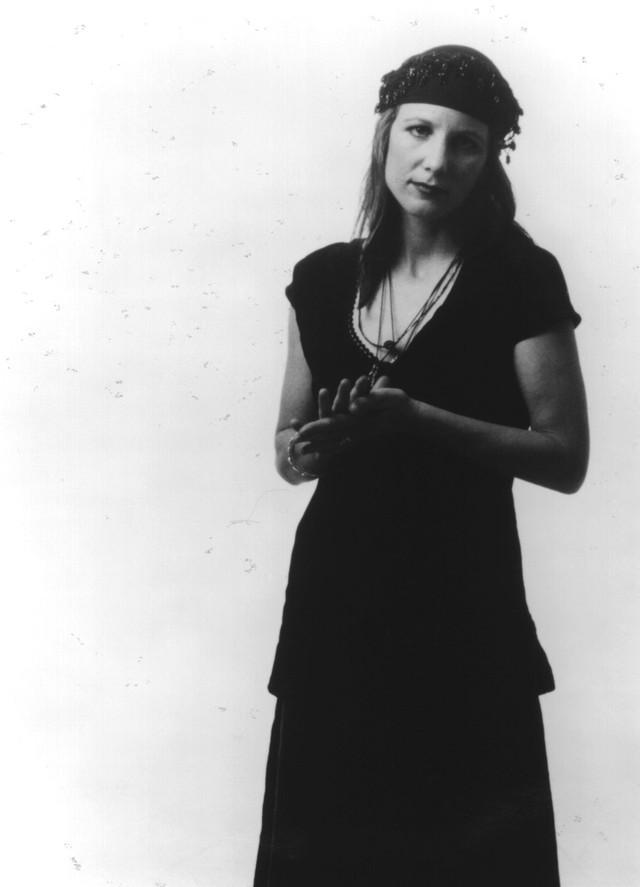
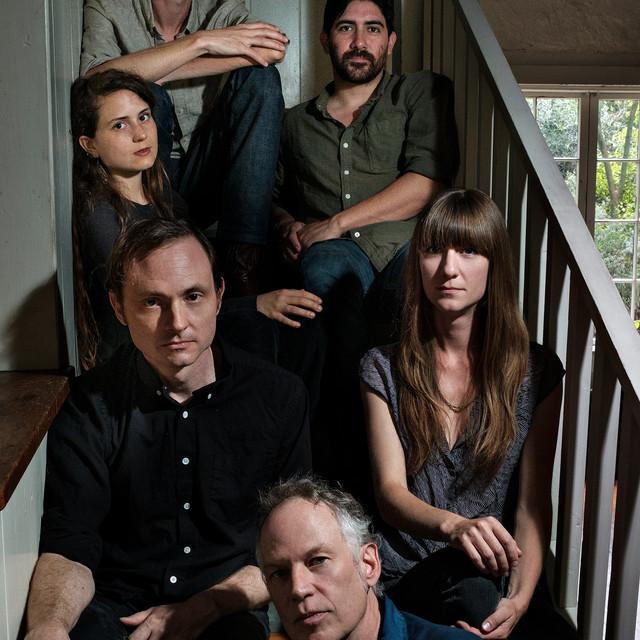
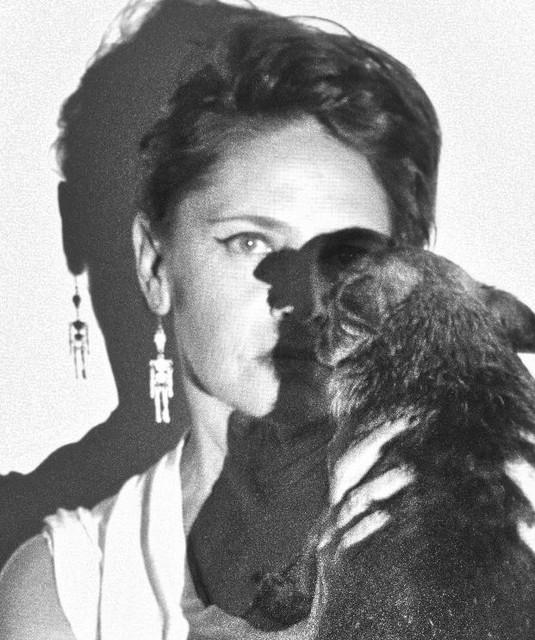
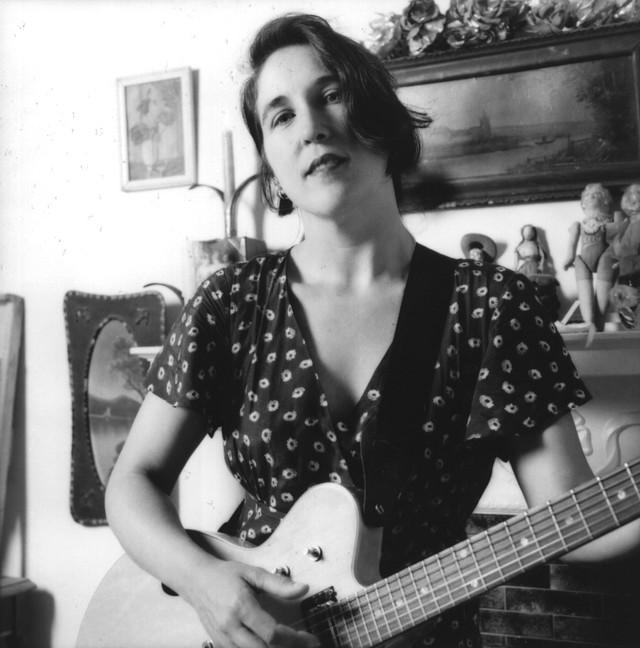
Tarnation’s Spotify BioThe country art band Tarnation was essentially a vehicle for Paula Frazer, a talented singer and songwriter who returned to roots music only after a successful foray into 1980s post-punk. Born and raised in Sautee Nacoochee, Georgia, a tiny community located in the foothills of the Smoky Mountains, her musical influences readily came from both parents. She sang in the church choir where her father was a Presbyterian minister, while her mother taught her piano and introduced her to music from George Gershwin and Billie Holiday to the contemporary music of the '60s and '70s. At the age of 14, the Frazers moved to Arkansas, where she began performing with local jazz groups and wrote and recorded demos of her own folk-inspired songs.
After graduating high school, Frazer relocated to San Francisco, and during the early '80s she performed with bands including Frightwig and Trial, where she met frequent collaborators Desmond Shea and John Borruso. She also played with Cloiter, who released an… EP on NufSed; the label's owner, Brandon Kearney, was an early member of Tarnation, which Frazer formed in 1992 with former S.F. Seals members Lincoln Allen and Michelle Cernuto, along with steel guitarist Matt Sullivan. NufSed issued the band's 1993 debut album I'll Give You Something to Cry About in a limited edition of 1,000 copies. The album made its way to the Red House Painters' Mark Kozelek, who introduced Frazer to 4AD. The label released Tarnation's second album, Gentle Creatures, which featured production work by His Name Is Alive's Warren Defever, in 1995. That year, however, the other three members departed to pursue their own work, leaving Frazer to assemble an initial touring lineup that, after a further change on bass, became the unit that recorded the band's 1997 album, Mirador. After various touring appearances, including dates in Europe with her hero, Nick Cave & the Bad Seeds, Frazer found herself once again without a band.
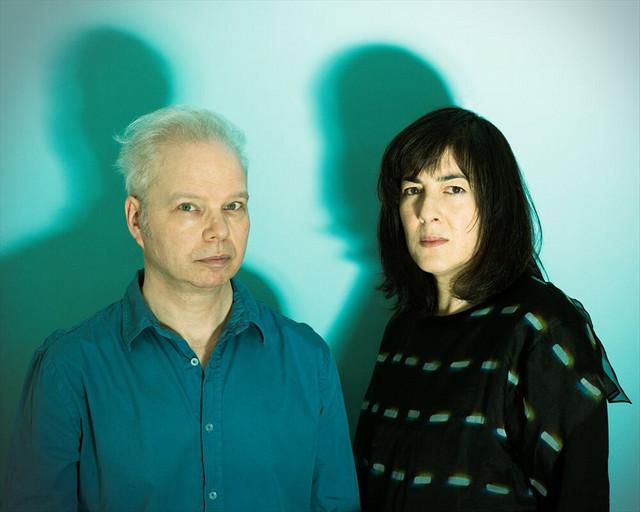
She dropped the Tarnation name in favor of her own in 1998, releasing a string of solo albums (2001's Indoor Universe, 2003's retrospective A Place Where I Know and 2005's Leave the Sad Things Behind) on Birdman Records. Frazer revived Tarnation for 2007's Now It's Time, much of which was recorded at her home on an eight-track tape machine. After forming the psych-rock trio Skystone with guitarist Brock Galland and drummer Royce Seader in 2010, Frazer returned to Tarnation with the 2014 EP In Some Time on MRG. For 2017's full-length What Is and Was, Tarnation's lineup included singer/songwriter Jacob Aranda, pedal steel guitarist David Cuetter, and Frazer's longtime collaborators Patrick Main and Justin Frahm on keyboards. ~ Jason Ankeny, Rovi
Viberate is a music analytics platform built for A&Rs, artist managers, labels, booking agents, marketers, and artists.
It helps music professionals track artist growth, analyze audience data, monitor playlist activity, compare artists, follow song performance, and identify opportunities across the music market.
Public artist pages provide a free preview of selected artist data. Paid plans provide access to deeper analytics, historical data, charts, comparisons, playlist tools, exports, alerts, reports, and additional professional features.
Yes. Public Viberate artist pages provide selected artist analytics and music data for free.
Viberate also offers a 7-day free trial of the full platform. A credit card is required to start the trial. The trial includes access to the complete product so users can test deeper artist analytics, historical views, playlist insights, comparisons, charts, exports, alerts, and reporting features before choosing a paid plan.
Viberate provides artist analytics across streaming, playlists, social media, video, radio airplay, songs, and audience markets.
Users can analyze Spotify performance, Spotify and Apple Music playlists, YouTube activity, TikTok and Instagram growth, radio spins, song performance, audience locations, demographics, rankings, and overall artist momentum.
Artist profiles also connect to music charts, similar artists, and comparison tools, helping users benchmark performance and evaluate artists in context.
Viberate updates key artist and track data daily.
For followed artists and tracks, selected data is refreshed multiple times per day. This helps teams monitor playlist changes, streaming movement, audience growth, releases, and campaign performance with more current data.
Update frequency can vary depending on the metric and data source.
Yes. Viberate lets users compare up to five artists side by side across streaming, social media, audience, and engagement metrics.
Users can compare fanbase growth, audience demographics, locations, Spotify performance, social metrics, and other artist data over selected time periods.
Artist comparison can be used for A&R scouting, benchmarking, booking decisions, campaign planning, and evaluating artists with similar audiences or market positions.