Tara Fuki

Classical
Orchestral
Indie Pop
 Viberate Rank: 366302
 Viberate Rank: 366302
 Monthly ListenersFollowers
 Subscribers
 Followers
 Followers
 FansTop Spotify Songs
| Track | 7-Day Streams | |
|---|---|---|
1 | 98 | |
2 | 90 | |
3 | 50 | |
4 | 50 | |
5 | 43 |
Top YouTube VideosMonthly ListenersFeatured in Playlists| Playlist | Followers | |
|---|---|---|
1 |  Dünyadan Sesler Dünyadan Sesler | 33.88K |
2 |  Dünyadan sesler zaferbyc | 7.59K |
3 |  polska poezja śpiewana Dominik Ćmi | 2.50K |
4 |  český underground jan | 1.52K |
5 |  Made by Women: ikonické písně Spotify | 1.51K |
Audience| City | Monthly Listeners | |
|---|---|---|
1 |  | 144 |
2 | | 36 |
3 |  | 24 |
4 |  | 22 |
5 |  | 13 |
See full performance history, audience data, playlist activity, rankings, comparisons, and more in Viberate music analytics. Start with a free trial, then continue with a paid plan.
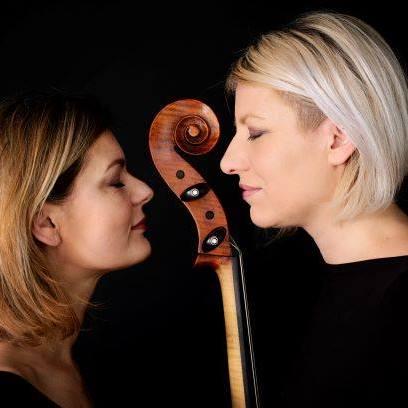
Tara Fuki’s Spotify BioTara Fuki is not the name of a solo artist. Rather, Tara Fuki is a female duo that consists of two singer/cellists: Andrea Konstankiewicz (born 1972) and Dorota Blahutová (born 1975). Based in the post-communist Czech Republic, Tara Fuki specializes in a very haunting, moody, and soulful -- if slightly abstract -- style of modern, East European folk-pop. Neither Konstankiewicz nor Blahutová sing in Czech on Tara Fuki's debut album, Piosenki Do Snu, they opt to sing in Polish. Blahutová, in fact, has commented that she would rather sing in Polish than Czech because Polish has softer vowels and consonants. And even though none of Tara Fuki's lyrics are in English, there are hints of Joni Mitchell in some of the duo's vocals. Tara Fuki brings a variety of influences to the table -- not only Mitchell, but also jazz and European classical, as well as traditional East European folk. Favoring a sparse, minimalist approach, the acoustic Piosenki Do Snu does not use drums, guitar, bass, or… piano but only two voices and two cellos, and the result is a very interesting and unorthodox sound. Konstankiewicz and Blahutová met in Northern Moravia in early 2000 when both were studying music at the Ostrava Conservatory. At the time, Konstankiewicz had been singing in a band called BOO as well as a music/dance outfit called Rale. Blahutová, meanwhile, had been a member of the Brno, Czech Republic-based band Lippany. When the women came together as a duo, they felt that they culturally had a lot of common ground. Both of them have some Polish heritage; Blahutová's mother is Polish and one of Konstankiewicz's ancestors was a countess in pre-20th century Poland before Poland and the rest of Eastern Europe was taken over by oppressive communist regimes. When Tara Fuki's two members were born in the '70s, the area that is now called the Czech Republic still had a Soviet-style communist government. But when Konstankiewicz and Blahutová were teenagers, they witnessed the fall of communism throughout Eastern Europe; -- and by the time Tara Fuki was formed in 2000, communism was long gone in the Czech Republic. Communism's downfall had a major impact on the Polish and Czech music scenes; instead of recording for government-operated labels, artists like Tara Fuki now find themselves recording for labels that are very much in the private sector. In 2001, Tara Fuki signed with Indies Records, a small independent label based in Brno, and recorded its debut album, Piosenki Do Snu. ~ Alex Henderson, Rovi
Viberate is a music analytics platform built for A&Rs, artist managers, labels, booking agents, marketers, and artists.
It helps music professionals track artist growth, analyze audience data, monitor playlist activity, compare artists, follow song performance, and identify opportunities across the music market.
Public artist pages provide a free preview of selected artist data. Paid plans provide access to deeper analytics, historical data, charts, comparisons, playlist tools, exports, alerts, reports, and additional professional features.
Yes. Public Viberate artist pages provide selected artist analytics and music data for free.
Viberate also offers a 7-day free trial of the full platform. A credit card is required to start the trial. The trial includes access to the complete product so users can test deeper artist analytics, historical views, playlist insights, comparisons, charts, exports, alerts, and reporting features before choosing a paid plan.
Viberate provides artist analytics across streaming, playlists, social media, video, radio airplay, songs, and audience markets.
Users can analyze Spotify performance, Spotify and Apple Music playlists, YouTube activity, TikTok and Instagram growth, radio spins, song performance, audience locations, demographics, rankings, and overall artist momentum.
Artist profiles also connect to music charts, similar artists, and comparison tools, helping users benchmark performance and evaluate artists in context.
Viberate updates key artist and track data daily.
For followed artists and tracks, selected data is refreshed multiple times per day. This helps teams monitor playlist changes, streaming movement, audience growth, releases, and campaign performance with more current data.
Update frequency can vary depending on the metric and data source.
Yes. Viberate lets users compare up to five artists side by side across streaming, social media, audience, and engagement metrics.
Users can compare fanbase growth, audience demographics, locations, Spotify performance, social metrics, and other artist data over selected time periods.
Artist comparison can be used for A&R scouting, benchmarking, booking decisions, campaign planning, and evaluating artists with similar audiences or market positions.