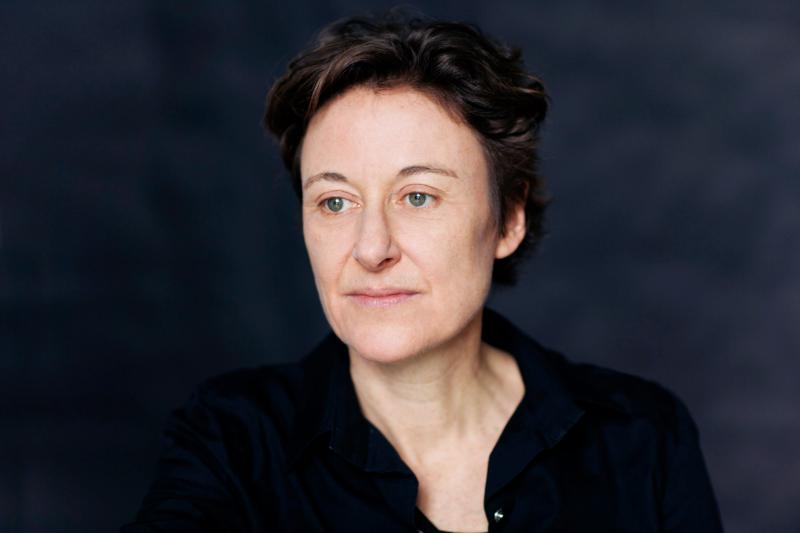
TANSY DAVIES

Classical
 Viberate Rank: 889822
 Viberate Rank: 889822
 Monthly ListenersFollowers
 Subscribers
 Followers
 Followers
 FansTop Spotify Songs
| Track | 7-Day Streams | |
|---|---|---|
1 | 8 | |
2 | 5 | |
3 | 4 | |
4 | 2 | |
5 | 1 |
Top YouTube VideosMonthly ListenersFeatured in Playlists| Playlist | Followers | |
|---|---|---|
1 |  The Sound of 21st Century Classical The Sounds of Spotify | 2.37K |
2 |  Contemporary Composers conpassione | 364 |
3 |  Hedendaagse composities MiesMichel | 3 |
Audience| City | Monthly Listeners | |
|---|---|---|
1 | | 7 |
2 | | 4 |
3 |  | 3 |
4 |  | 3 |
See full performance history, audience data, playlist activity, rankings, comparisons, and more in Viberate music analytics. Start with a free trial, then continue with a paid plan.
TANSY DAVIES’ Spotify BioComposer Tansy Davies writes orchestral scores as well as music in other genres, informed and inspired by such diverse sources as avant-garde music and funk. She has had works commissioned by several of Britain's top ensembles, and she is also an important educator.
Davies was born on May 29, 1973, in Bristol, England. As a teen, she played guitar and sang in a rock band, also developing an interest in composition at the time. Rock and funk have continued to play a role in her music. Davies studied composition and French horn at the Colchester Institute of the University of Essex and then went on to the Guildhall School of Music and Drama in London, studying with Simon Bainbridge. She took further composition lessons with Simon Holt. A major breakthrough in Davies' early career was a win at the BBC Young Composers Competition in 1996. She earned a PhD at Royal Holloway, University of London, where she served for a time as the composer-in-residence. In the early 2000s, Davies began to… receive commissions from major British orchestras, including the London Symphony, the Orchestra of the Swan, and several BBC orchestras. The collage-like, funky neon (2004) has been one of her most successful works. Her Christmas hath a darkness was commissioned by and performed at the Festival of Nine Lessons and Carols at King's College, Cambridge, in 2011. Another important commission came from the English National Opera in 2015; Davies responded with Between Worlds, a setting of a libretto by Nick Drake (not the acoustic rock songwriter).
More than 20 of Davies' works have been recorded, seven of them on the 2021 NMC release Tansy Davies: Nature. Davies has taught at the Royal Academy of Music in London and, as of the early 2020s, she was on the faculty at the University of Indiana Jacobs School of Music in the U.S.
Viberate is a music analytics platform built for A&Rs, artist managers, labels, booking agents, marketers, and artists.
It helps music professionals track artist growth, analyze audience data, monitor playlist activity, compare artists, follow song performance, and identify opportunities across the music market.
Public artist pages provide a free preview of selected artist data. Paid plans provide access to deeper analytics, historical data, charts, comparisons, playlist tools, exports, alerts, reports, and additional professional features.
Yes. Public Viberate artist pages provide selected artist analytics and music data for free.
Viberate also offers a 7-day free trial of the full platform. A credit card is required to start the trial. The trial includes access to the complete product so users can test deeper artist analytics, historical views, playlist insights, comparisons, charts, exports, alerts, and reporting features before choosing a paid plan.
Viberate provides artist analytics across streaming, playlists, social media, video, radio airplay, songs, and audience markets.
Users can analyze Spotify performance, Spotify and Apple Music playlists, YouTube activity, TikTok and Instagram growth, radio spins, song performance, audience locations, demographics, rankings, and overall artist momentum.
Artist profiles also connect to music charts, similar artists, and comparison tools, helping users benchmark performance and evaluate artists in context.
Viberate updates key artist and track data daily.
For followed artists and tracks, selected data is refreshed multiple times per day. This helps teams monitor playlist changes, streaming movement, audience growth, releases, and campaign performance with more current data.
Update frequency can vary depending on the metric and data source.
Yes. Viberate lets users compare up to five artists side by side across streaming, social media, audience, and engagement metrics.
Users can compare fanbase growth, audience demographics, locations, Spotify performance, social metrics, and other artist data over selected time periods.
Artist comparison can be used for A&R scouting, benchmarking, booking decisions, campaign planning, and evaluating artists with similar audiences or market positions.