Taint

Rock
Hard Rock
Doom/Sludge Metal
 Viberate Rank: 490565
 Viberate Rank: 490565
 Monthly ListenersFollowers
 Subscribers
 Followers
 Followers
 FansTop Spotify Songs
| Track | 7-Day Streams | |
|---|---|---|
1 | 49 | |
2 | 34 | |
3 | 25 | |
4 | 24 | |
5 | 23 |
Top YouTube VideosMonthly ListenersFeatured in Playlists| Playlist | Followers | |
|---|---|---|
1 |  Techno playlist 2026 TECHNO WERELD | 7.61K |
2 |  best tracks from the top albums of all time - RYM (RateYourMusic) Henrique Oliveira | 1.29K |
3 |  A Playlist for The Damned Orange Goblin | 1.20K |
4 |  The Sound of Power Electronics The Sounds of Spotify | 1.06K |
Audience| City | Monthly Listeners | |
|---|---|---|
1 | | 15 |
2 |  | 4 |
3 |  | 4 |
4 | | 4 |
5 | | 4 |
See full performance history, audience data, playlist activity, rankings, comparisons, and more in Viberate music analytics. Start with a free trial, then continue with a paid plan.
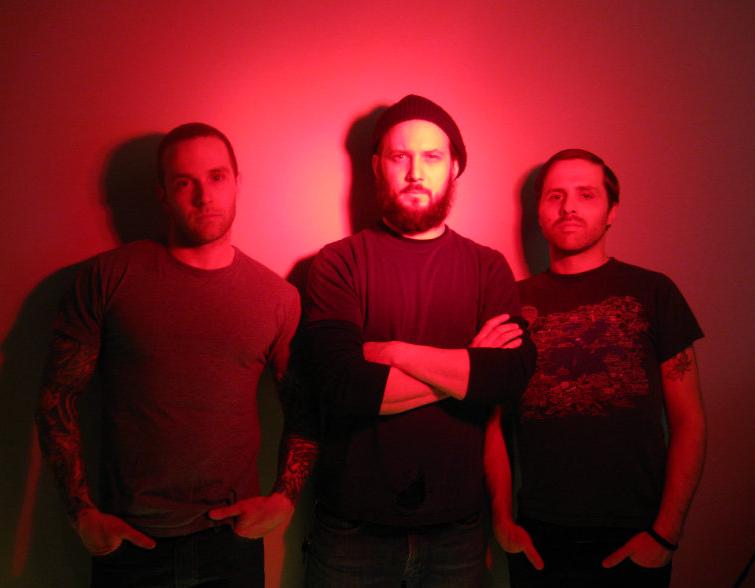
Taint’s Spotify BioWelsh hard rock trio Taint have forged a unique style from a broad range of influences, embracing elements of punk, stoner rock, sludge metal, technical metal, and even bits of indie rock, and melding them into a precise, unrelenting attack. Taint were formed in South Wales in 1993 by guitarist and singer James "Jimbob" Isaac, bassist Darren Mason, and drummer Alex Harries. After recording a handful of self-released cassette demos and appearing on a compilation from Household Name Records, Taint released their debut EP, Die Die Truthspeaker, through Household Name in 2000; by this time, Mason had left the group and Stophe had replaced him on bass, though Stophe would leave the band in 2001 and Chris West would take over as Taint's new bassist. Split releases with Black Eye Riot and Army of Flying Robots followed in 2003 and 2005, respectively, along with extensive touring, and in 2005 the group signed with the uncompromising U.K. metal label Rise Above Records. That same year, Rise… Above released Taint's first full-length album, the epochal The Ruin of Nová Roma, recorded in California and produced by former Fudge Tunnel guitarist Alex Newport. After rounds of successful touring in the U.K., Europe, and Greece, Taint returned to the studio for their second full-length album, 2007's Secrets and Lies. ~ Mark Deming, Rovi
Viberate is a music analytics platform built for A&Rs, artist managers, labels, booking agents, marketers, and artists.
It helps music professionals track artist growth, analyze audience data, monitor playlist activity, compare artists, follow song performance, and identify opportunities across the music market.
Public artist pages provide a free preview of selected artist data. Paid plans provide access to deeper analytics, historical data, charts, comparisons, playlist tools, exports, alerts, reports, and additional professional features.
Yes. Public Viberate artist pages provide selected artist analytics and music data for free.
Viberate also offers a 7-day free trial of the full platform. A credit card is required to start the trial. The trial includes access to the complete product so users can test deeper artist analytics, historical views, playlist insights, comparisons, charts, exports, alerts, and reporting features before choosing a paid plan.
Viberate provides artist analytics across streaming, playlists, social media, video, radio airplay, songs, and audience markets.
Users can analyze Spotify performance, Spotify and Apple Music playlists, YouTube activity, TikTok and Instagram growth, radio spins, song performance, audience locations, demographics, rankings, and overall artist momentum.
Artist profiles also connect to music charts, similar artists, and comparison tools, helping users benchmark performance and evaluate artists in context.
Viberate updates key artist and track data daily.
For followed artists and tracks, selected data is refreshed multiple times per day. This helps teams monitor playlist changes, streaming movement, audience growth, releases, and campaign performance with more current data.
Update frequency can vary depending on the metric and data source.
Yes. Viberate lets users compare up to five artists side by side across streaming, social media, audience, and engagement metrics.
Users can compare fanbase growth, audience demographics, locations, Spotify performance, social metrics, and other artist data over selected time periods.
Artist comparison can be used for A&R scouting, benchmarking, booking decisions, campaign planning, and evaluating artists with similar audiences or market positions.