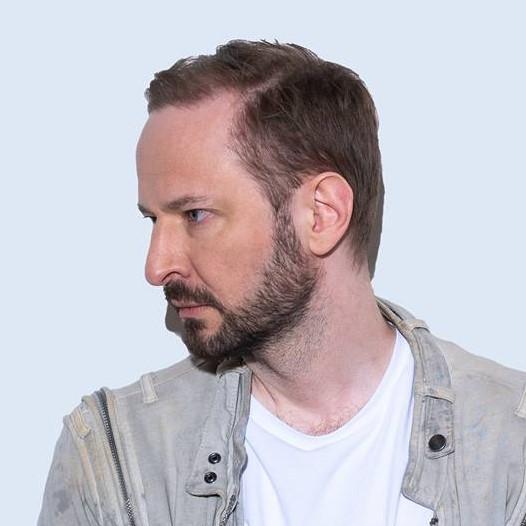
T-Zon

Hip Hop
Contemporary Hip Hop
Mainstream Pop
 Viberate Rank: 67618
 Viberate Rank: 67618
 Monthly ListenersFollowers
 Subscribers
 Followers
 Followers
 FansTop Spotify Songs
| Track | 7-Day Streams | |
|---|---|---|
1 | 2.94K | |
2 | 531 | |
3 | 521 | |
4 | 491 | |
5 | 405 |
Top YouTube VideosMonthly ListenersFeatured in Playlists| Playlist | Followers | |
|---|---|---|
1 |  This Is KAYEF Spotify | 17.40K |
2 |  This Is Topic Spotify | 12.22K |
3 | In My Head Hannes.vibes | 9.72K |
4 |  triste 💀 tatjanahannah | 8.93K |
5 | Liebesrap Richy Wbrl | 8.92K |
Audience| City | Monthly Listeners | |
|---|---|---|
1 | | 911 |
2 | | 860 |
3 | | 802 |
4 | | 775 |
5 | | 615 |
See full performance history, audience data, playlist activity, rankings, comparisons, and more in Viberate music analytics. Start with a free trial, then continue with a paid plan.
T-Zon’s Spotify BioSeine Kindheit verbringt der heute 26-jährige an der Westküste Namibias, wo er im Alter von 13 Jahren
erstmals mit Rap-Musik in Berührung kommt. Es dauert nicht lange, bis er – inspiriert von seinen Idolen -
auch selbst damit beginnt, Rap-Texte zu schreiben. Auf der Suche nach einem Künstler-Namen fällt schnell
die Wahl auf eine phonetische Schreibweise seines Nachnamens in englischer Aussprache. Aus Christoph
Thesen wird der Rapper T-ZON.
Als er im Alter von 14 Jahren auf ein deutsches Internat in Namibias Hauptstadt Windhoek wechselt, hat er
längst in Eigenregie mehrere Mixtapes aufgenommen, die er selbst dem Schulhof verteilt. In der Folge
gelangt T-ZON in der Musikszene Namibias schnell an Popularität, spielt erste eigene Konzerte und tritt
unter anderem beim größten Musikpreis des Landes auf: Den Namibian Music Awards.
Trotz vieler Perspektiven in seinem Heimatland, entschließt T-ZON sich nach seinem Schulabschluss für
einen großen Schritt: Mit 18 Jahren verlässt er seine Familie in Namibia… und zieht im Jahr 2012 alleine nach
Deutschland. Dort angekommen startet er seinen YouTube-Kanal und fasst prompt auch in der damals noch
jungen deutschen Szene Fuß. Dabei lernt er die Düsseldorfer Musiker KAYEF, Topic & LIONT kennen, mit
dem er fortan zusammenarbeitet.
T-ZON's Debut Album ''Alles Auf Anfang'' stieg auf Platz #11 der deutschen Album Charts ein.
Viberate is a music analytics platform built for A&Rs, artist managers, labels, booking agents, marketers, and artists.
It helps music professionals track artist growth, analyze audience data, monitor playlist activity, compare artists, follow song performance, and identify opportunities across the music market.
Public artist pages provide a free preview of selected artist data. Paid plans provide access to deeper analytics, historical data, charts, comparisons, playlist tools, exports, alerts, reports, and additional professional features.
Yes. Public Viberate artist pages provide selected artist analytics and music data for free.
Viberate also offers a 7-day free trial of the full platform. A credit card is required to start the trial. The trial includes access to the complete product so users can test deeper artist analytics, historical views, playlist insights, comparisons, charts, exports, alerts, and reporting features before choosing a paid plan.
Viberate provides artist analytics across streaming, playlists, social media, video, radio airplay, songs, and audience markets.
Users can analyze Spotify performance, Spotify and Apple Music playlists, YouTube activity, TikTok and Instagram growth, radio spins, song performance, audience locations, demographics, rankings, and overall artist momentum.
Artist profiles also connect to music charts, similar artists, and comparison tools, helping users benchmark performance and evaluate artists in context.
Viberate updates key artist and track data daily.
For followed artists and tracks, selected data is refreshed multiple times per day. This helps teams monitor playlist changes, streaming movement, audience growth, releases, and campaign performance with more current data.
Update frequency can vary depending on the metric and data source.
Yes. Viberate lets users compare up to five artists side by side across streaming, social media, audience, and engagement metrics.
Users can compare fanbase growth, audience demographics, locations, Spotify performance, social metrics, and other artist data over selected time periods.
Artist comparison can be used for A&R scouting, benchmarking, booking decisions, campaign planning, and evaluating artists with similar audiences or market positions.