T. Hardy Morris

Country
Americana/Alt Country
 Viberate Rank: 241521
 Viberate Rank: 241521
 Monthly ListenersFollowers
 Subscribers
 Followers
 Followers
 FansTop Spotify Songs
| Track | 7-Day Streams | |
|---|---|---|
1 | 1.40K | |
2 | 1.30K | |
3 | 350 | |
4 | 305 | |
5 | 183 |
Top YouTube VideosMonthly ListenersFeatured in Playlists| Playlist | Followers | |
|---|---|---|
1 |  Calm Kids Spotify | 426.65K |
2 | Mat Young | 67.68K |
3 | The Defined Dish Clayton Snodgrass | 17.45K |
4 |  Western AF ( Official Playlist ) Western AF | 15.21K |
5 |  This Is Shovels & Rope Spotify | 6.23K |
Audience| City | Monthly Listeners | |
|---|---|---|
1 |  | 195 |
2 | | 194 |
3 | | 179 |
4 | | 141 |
5 | | 124 |
See full performance history, audience data, playlist activity, rankings, comparisons, and more in Viberate music analytics. Start with a free trial, then continue with a paid plan.
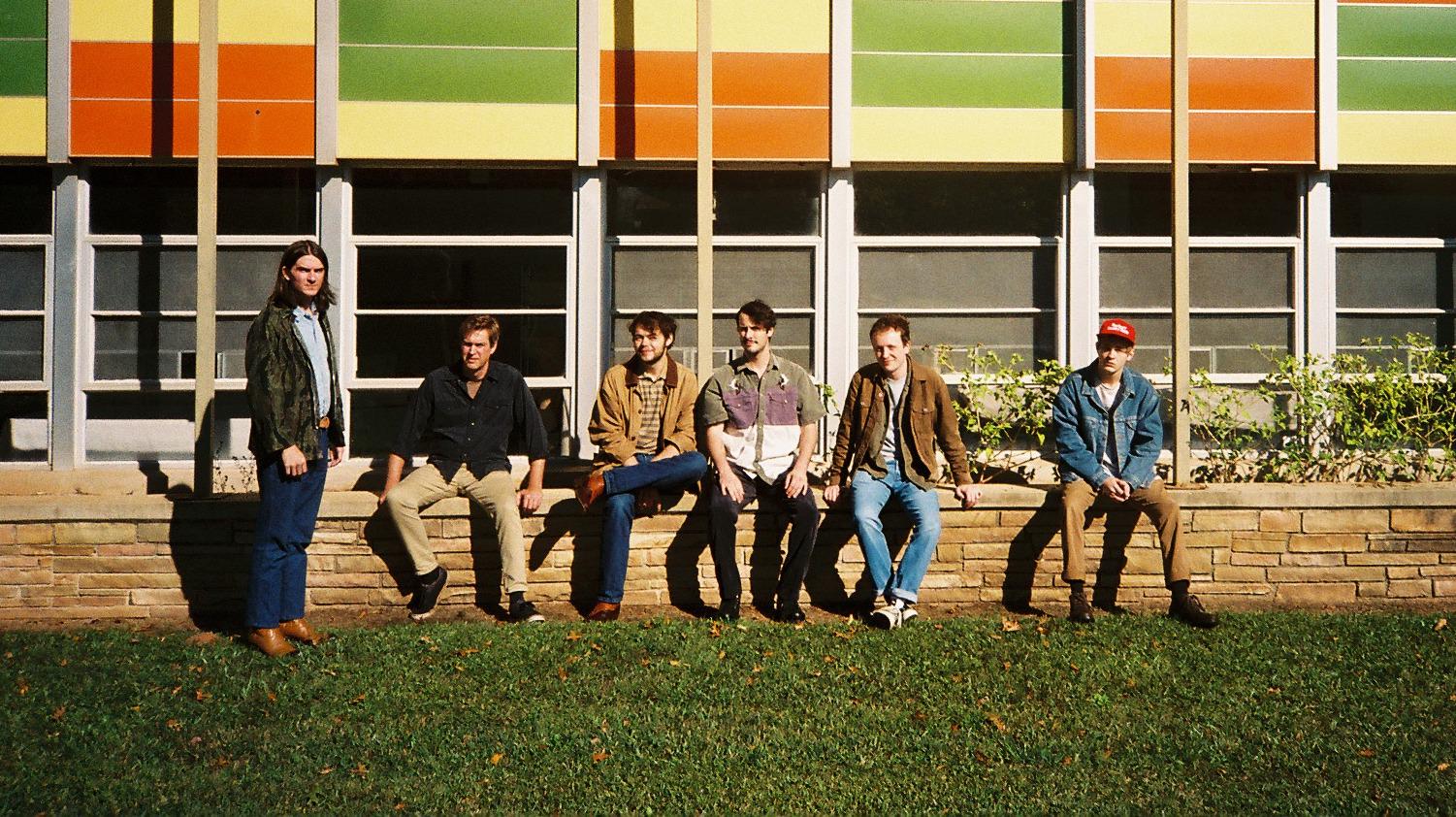
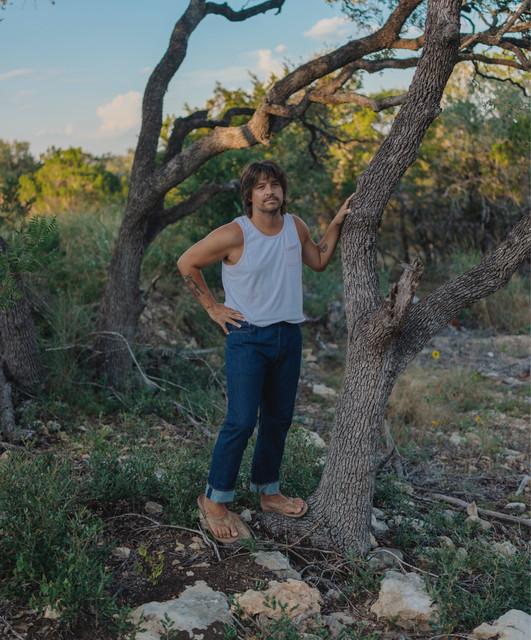
T. Hardy Morris’ Spotify BioGeorgia-born T. Hardy Morris (also billed as Hardy Morris) first came to fame as the guitarist and singer with the psych-influenced, defiantly Southern hard rock band Dead Confederate. After Dead Confederate's breakup, Morris made a name for himself on his own with his solo debut Audition Tapes, a low-key set of buzzy, country- and folk-inspired rock. Morris veered into harder rocking territory on 2015's Neil Young-inspired Drownin' on a Mountaintop, while he explored darker and more personal themes on 2018's Dude, The Obscure and 2021's The Digital Age of Rome. He's also recorded with the rollicking ad hoc group Diamond Rugs alongside members of Deer Tick, the Black Lips, and Los Lobos.
Formed in Augusta, Georgia in 1997 by Thomas Hardy Morris and longtime friend Walker Howle, Dead Confederate slowly evolved from a jam band called Redbelly that favored 20-minute improvisations to a tighter, more ambitious group thanks in part to Morris' growing skills as a songwriter. Dead Confederate …landed a record deal in 2007, and thanks to steady touring and a handful of strong records became one of the leading bands on the roots rock underground. Despite Dead Confederate's busy schedule, Morris had more than enough musical ideas to go around, and in 2011, his friend John McCauley of Deer Tick invited him to join a side project featuring Ian St. Pé of the Black Lips, Steve Berlin of Los Lobos, Bryan Dufresne of Six Finger Satellite, and McCauley's bandmate Robbie Crowell. Dubbing the project Diamond Rugs (or D. Rugs for short), the quintet released a self-titled debut album in 2012. and a second LP, Cosmetics, in 2015.
In 2013, Dead Confederate had broken up following the release of their album In the Marrow. By that time, Morris had accumulated a number of songs that didn't fit Dead Confederate or Diamond Rugs, and he opted to make his first solo album. Audition Tapes, credited to T. Hardy Morris & the Outfit, was released only three months after In the Marrow, and revealed a different side of his music, with a looser and more languid tone than he showed in Dead Confederate. In 2015, Morris dropped a second solo effort, Drownin' on a Mountaintop, this time under the group name Hardy & the Hardknocks; it was a more decisively rockin' effort that showed the strong influence of '70s country-rock. Morris explored significantly darker and more philosophical themes with his third solo effort, 2018's introspective Dude, The Obscure. Three years later he returned with the timely Digital Age of Rome, which explored the pitfalls of modern technology and the socio-political polarization of America. ~ Mark Deming, Rovi
Viberate is a music analytics platform built for A&Rs, artist managers, labels, booking agents, marketers, and artists.
It helps music professionals track artist growth, analyze audience data, monitor playlist activity, compare artists, follow song performance, and identify opportunities across the music market.
Public artist pages provide a free preview of selected artist data. Paid plans provide access to deeper analytics, historical data, charts, comparisons, playlist tools, exports, alerts, reports, and additional professional features.
Yes. Public Viberate artist pages provide selected artist analytics and music data for free.
Viberate also offers a 7-day free trial of the full platform. A credit card is required to start the trial. The trial includes access to the complete product so users can test deeper artist analytics, historical views, playlist insights, comparisons, charts, exports, alerts, and reporting features before choosing a paid plan.
Viberate provides artist analytics across streaming, playlists, social media, video, radio airplay, songs, and audience markets.
Users can analyze Spotify performance, Spotify and Apple Music playlists, YouTube activity, TikTok and Instagram growth, radio spins, song performance, audience locations, demographics, rankings, and overall artist momentum.
Artist profiles also connect to music charts, similar artists, and comparison tools, helping users benchmark performance and evaluate artists in context.
Viberate updates key artist and track data daily.
For followed artists and tracks, selected data is refreshed multiple times per day. This helps teams monitor playlist changes, streaming movement, audience growth, releases, and campaign performance with more current data.
Update frequency can vary depending on the metric and data source.
Yes. Viberate lets users compare up to five artists side by side across streaming, social media, audience, and engagement metrics.
Users can compare fanbase growth, audience demographics, locations, Spotify performance, social metrics, and other artist data over selected time periods.
Artist comparison can be used for A&R scouting, benchmarking, booking decisions, campaign planning, and evaluating artists with similar audiences or market positions.