Sync24

Electronic
Downtempo
 Viberate Rank: 119235
 Viberate Rank: 119235
 Monthly ListenersFollowers
 Subscribers
 Followers
 Followers
 FansTop Spotify Songs
| Track | 7-Day Streams | |
|---|---|---|
1 | 11.19K | |
2 | 6.12K | |
3 | 5.13K | |
4 | 4.90K | |
5 | 3.69K |
Top YouTube VideosMonthly ListenersFeatured in Playlists| Playlist | Followers | |
|---|---|---|
1 |  INSTRUMENTAL MUSIC TO WORK TO: Chill, Ambient, Electronic Instrumental Mix Keats Handwriting | 51.84K |
2 |  New Age Music Channel Albert Sater | 22.99K |
3 |  Coding Programming Hacking Slashing Techno Tim | 19.79K |
4 |  Deep Ambient Electronica stateazure | 16.66K |
5 |  Downtempo Chill SBS Chill | 16.48K |
Audience| City | Monthly Listeners | |
|---|---|---|
1 |  | 1.02K |
2 |  | 913 |
3 |  | 899 |
4 | | 868 |
5 |  | 784 |
See full performance history, audience data, playlist activity, rankings, comparisons, and more in Viberate music analytics. Start with a free trial, then continue with a paid plan.
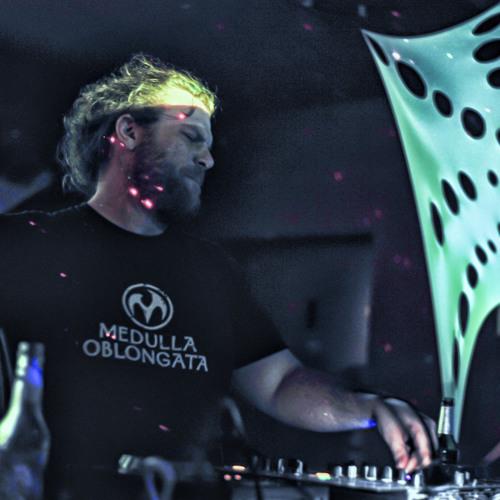
Sync24’s Spotify BioSYNC24 is the solo project of Daniel Vadestrid (né Segerstad) from Carbon Based Lifeforms .
From the very beginning of his career Daniel has written tracks by and for himself. He wrote two self released albums under the name TiN.
But for the most part he was busy with CBL, Thermostatic and the lesser known acts T.S.R..
In 2005 he decided to start a solo project when he happened to have a few tracks that didn’t quite fit the CBL sound space that Ultimae Records, who where releasing CBLs material at the time, wanted to release.
Sync24’s debut album “Source” was released in 2007 and was followed by Comfortable Void in 2012. The same year Daniel started the label “Leftfield Records” and released “Ambient Archive [1996-2002]”, a collection of old and unreleased tracks, some reaching as far back as his first solo project TiN.
Since 2014 Leftfield Records is the main digital label for CBL, Sync24 and T.S.R. The same year Sync24 released two singles. “Eadgyth”, inspired by a sound piece his 10… months old daughter did on a circuit bent Casio SK-1 and “Everything will be ok” featuring two more uptempo tracks.
Since 2017 Daniel works more or less full time in the studio and plans to release two albums, one ambient and one uptempo late 2018 or beginning of 2019.
Viberate is a music analytics platform built for A&Rs, artist managers, labels, booking agents, marketers, and artists.
It helps music professionals track artist growth, analyze audience data, monitor playlist activity, compare artists, follow song performance, and identify opportunities across the music market.
Public artist pages provide a free preview of selected artist data. Paid plans provide access to deeper analytics, historical data, charts, comparisons, playlist tools, exports, alerts, reports, and additional professional features.
Yes. Public Viberate artist pages provide selected artist analytics and music data for free.
Viberate also offers a 7-day free trial of the full platform. A credit card is required to start the trial. The trial includes access to the complete product so users can test deeper artist analytics, historical views, playlist insights, comparisons, charts, exports, alerts, and reporting features before choosing a paid plan.
Viberate provides artist analytics across streaming, playlists, social media, video, radio airplay, songs, and audience markets.
Users can analyze Spotify performance, Spotify and Apple Music playlists, YouTube activity, TikTok and Instagram growth, radio spins, song performance, audience locations, demographics, rankings, and overall artist momentum.
Artist profiles also connect to music charts, similar artists, and comparison tools, helping users benchmark performance and evaluate artists in context.
Viberate updates key artist and track data daily.
For followed artists and tracks, selected data is refreshed multiple times per day. This helps teams monitor playlist changes, streaming movement, audience growth, releases, and campaign performance with more current data.
Update frequency can vary depending on the metric and data source.
Yes. Viberate lets users compare up to five artists side by side across streaming, social media, audience, and engagement metrics.
Users can compare fanbase growth, audience demographics, locations, Spotify performance, social metrics, and other artist data over selected time periods.
Artist comparison can be used for A&R scouting, benchmarking, booking decisions, campaign planning, and evaluating artists with similar audiences or market positions.