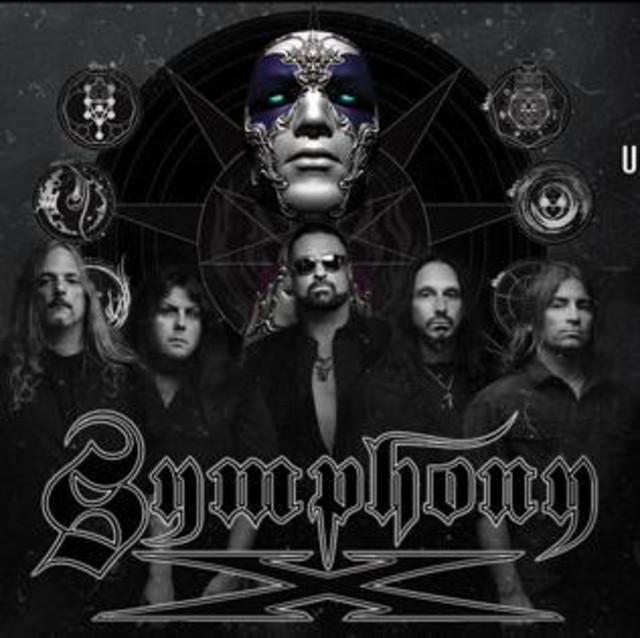
Symphony X

Metal
Progressive Metal
Power Metal
 Viberate Rank: 29525
 Viberate Rank: 29525
 Monthly ListenersFollowers
 Subscribers
 Followers
 Followers
 FansTop Spotify Songs
| Track | 7-Day Streams | |
|---|---|---|
1 | 33.09K | |
2 | 23.02K | |
3 | 21.00K | |
4 | 16.90K | |
5 | 15.10K |
Top YouTube VideosMonthly ListenersFeatured in Playlists| Playlist | Followers | |
|---|---|---|
1 | BEST GUITAR SOLOS OF ALL TIME t.riccardo | 95.19K |
2 | Africa – Toto Anne Braam | 42.94K |
3 |  Power Speed and Metal Chris Entonie | 38.53K |
4 |  Hard Rock Ballads R | 36.09K |
5 | Billboard 200 Billboard | 35.35K |
Audience| City | Monthly Listeners | |
|---|---|---|
1 |  | 9.93K |
2 |  | 8.72K |
3 | | 3.38K |
4 |  | 2.94K |
5 | | 2.26K |
See full performance history, audience data, playlist activity, rankings, comparisons, and more in Viberate music analytics. Start with a free trial, then continue with a paid plan.
Symphony X’s Spotify BioMichael Romeo formed Symphony X in New Jersey in 1994. The original lineup of the group included Thomas Miller (bass guitar), Rod Tyler (vocals), Jason Rullo (drums), and Michael Pinnella (keyboards). They released their self-titled debut later that same year. The next year they put out the follow-up The Damnation Game. 1995 also saw Tyler leave the group, his replacement coming in the personage of Russell Allen. Their next release came out in 1997. It was the critically acclaimed The Divine Wings of Tragedy. In addition to the critical praise, this disc became the group's biggest commercial success to date. Before recording their next album, Rullo left the band. He was replaced by Thomas Walling. With this lineup, the group released Twilight in Olympus, which garnered both greater critical kudos and greater sales. In a unique turn of events, however, the band faced a new lineup change. Newcomer Walling and bassman Thomas Miller both decided that they were not up to touring for the… album. The recently departed Rullo rethought his exodus and came back into the Symphony X fold. Andy DeLuca was brought in on bass for the duration of the tour. After the tour was over, the group found a permanent replacement in Mike LePond. This formation of the group released their fifth album in 2000 -- V: The New Mythology Suite. The following year, Symphony X released their first live album, Live on the Edge of Forever, which captured performances from their 2000 European tour. In 2002, the band continued to mine mythology with their sixth studio album, The Odyssey, which was based on Homer's epic of the same name. They band a bit of a break while its members released solo albums, but came together again in 2007 with the released of Paradise Lost, a concept album based on Milton's tale. Taking a break from mining the past, the band looked to the future for the theme of their next album. The result was 2011's Iconoclast, which featured a darker tone and a cautionary story about machines taking over the world. After a global tour, the band took an extended break. They began working on new material in 2014. Their ninth studio offering, Underworld, was announced in May of 2015. Though not conceptual, it was loosely inspired by Dante's Divine Comedy, particularly its first section, The Inferno. The album was released at the end of July. ~ Gary Hill, Rovi
Viberate is a music analytics platform built for A&Rs, artist managers, labels, booking agents, marketers, and artists.
It helps music professionals track artist growth, analyze audience data, monitor playlist activity, compare artists, follow song performance, and identify opportunities across the music market.
Public artist pages provide a free preview of selected artist data. Paid plans provide access to deeper analytics, historical data, charts, comparisons, playlist tools, exports, alerts, reports, and additional professional features.
Yes. Public Viberate artist pages provide selected artist analytics and music data for free.
Viberate also offers a 7-day free trial of the full platform. A credit card is required to start the trial. The trial includes access to the complete product so users can test deeper artist analytics, historical views, playlist insights, comparisons, charts, exports, alerts, and reporting features before choosing a paid plan.
Viberate provides artist analytics across streaming, playlists, social media, video, radio airplay, songs, and audience markets.
Users can analyze Spotify performance, Spotify and Apple Music playlists, YouTube activity, TikTok and Instagram growth, radio spins, song performance, audience locations, demographics, rankings, and overall artist momentum.
Artist profiles also connect to music charts, similar artists, and comparison tools, helping users benchmark performance and evaluate artists in context.
Viberate updates key artist and track data daily.
For followed artists and tracks, selected data is refreshed multiple times per day. This helps teams monitor playlist changes, streaming movement, audience growth, releases, and campaign performance with more current data.
Update frequency can vary depending on the metric and data source.
Yes. Viberate lets users compare up to five artists side by side across streaming, social media, audience, and engagement metrics.
Users can compare fanbase growth, audience demographics, locations, Spotify performance, social metrics, and other artist data over selected time periods.
Artist comparison can be used for A&R scouting, benchmarking, booking decisions, campaign planning, and evaluating artists with similar audiences or market positions.