Sweet Knives

Punk
Punk Rock
 Viberate Rank: 516975
 Viberate Rank: 516975
 Monthly ListenersFollowers
 Subscribers
 Followers
 Followers
 FansTop Spotify Songs
| Track | 7-Day Streams | |
|---|---|---|
1 | 22 | |
2 | 19 | |
3 | 16 | |
4 | 14 | |
5 | 13 |
Top YouTube VideosMonthly ListenersFeatured in Playlists| Playlist | Followers | |
|---|---|---|
1 |  Henry Rollins KCRW radioshow Roadrunner Music | 3.56K |
2 |  egg punk vs chain punk meltedjoyy | 3.50K |
3 | KCRW - Henry Rollins M0hgar | 2.30K |
4 |  WFMU's Heavily Played Records - 2020s Edition WFMU | 1.93K |
Audience| City | Monthly Listeners | |
|---|---|---|
1 | | 7 |
2 | | 5 |
3 | | 5 |
4 | | 4 |
5 | | 4 |
See full performance history, audience data, playlist activity, rankings, comparisons, and more in Viberate music analytics. Start with a free trial, then continue with a paid plan.
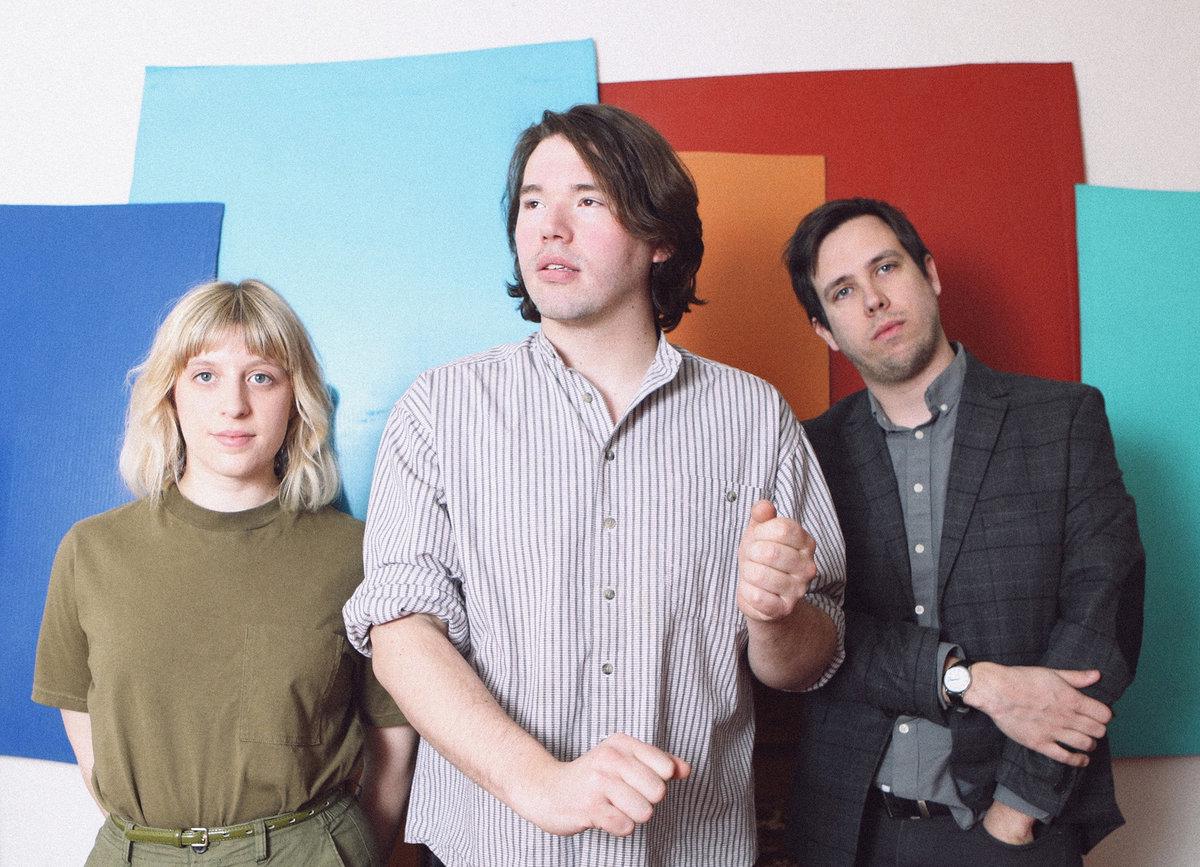
Sweet Knives’ Spotify BioIn 2005 Memphis black-wave synth punk band Lost Sounds called it quits after being kicked out of a house in Stuttgart in the middle of a long long night. Four albums and numerous singles and outtakes releases were left over, and the brutal live show would never happen again. As Jay Reatard (½ of the Lost Sounds songwriting team with Alicja Trout) continued to grow his hopeful career on Matador Records, the other band members moved on down less-publicized roads.
Time was healing the wounds that had caused the band to break up.
Sadly Jay’s light died in January 2010.
So what was to become of the Lost Sounds?
In 2015 Alicja, Rich, and original member John Garland brought back a set of tunes from the old Lost Sounds closet. They called themselves Sweet Knives. In January 2016 the group recorded a four song double 7” for Red Lounge Records.
A full length has been released in 2017 on Bigneck Records. Sweet Knives has been sparsely but regularly touring, playing new songs and some of the old… Lost Sounds numbers. Graham Burks (Memphis) brings his double stacked analog synths to the line-up, and Eli Steele (Nashville), guitar player for Thing, is on bass.
Lost Sounds was known for their songs filled with paranoid riffs, upbeat hooks, and a synth-laden yet rock n roll sound. Sweet Knives carries on this tradition with a new delivery, less likely to fall apart and fall off stage.
http://www.facebook.com/sweetknives
Viberate is a music analytics platform built for A&Rs, artist managers, labels, booking agents, marketers, and artists.
It helps music professionals track artist growth, analyze audience data, monitor playlist activity, compare artists, follow song performance, and identify opportunities across the music market.
Public artist pages provide a free preview of selected artist data. Paid plans provide access to deeper analytics, historical data, charts, comparisons, playlist tools, exports, alerts, reports, and additional professional features.
Yes. Public Viberate artist pages provide selected artist analytics and music data for free.
Viberate also offers a 7-day free trial of the full platform. A credit card is required to start the trial. The trial includes access to the complete product so users can test deeper artist analytics, historical views, playlist insights, comparisons, charts, exports, alerts, and reporting features before choosing a paid plan.
Viberate provides artist analytics across streaming, playlists, social media, video, radio airplay, songs, and audience markets.
Users can analyze Spotify performance, Spotify and Apple Music playlists, YouTube activity, TikTok and Instagram growth, radio spins, song performance, audience locations, demographics, rankings, and overall artist momentum.
Artist profiles also connect to music charts, similar artists, and comparison tools, helping users benchmark performance and evaluate artists in context.
Viberate updates key artist and track data daily.
For followed artists and tracks, selected data is refreshed multiple times per day. This helps teams monitor playlist changes, streaming movement, audience growth, releases, and campaign performance with more current data.
Update frequency can vary depending on the metric and data source.
Yes. Viberate lets users compare up to five artists side by side across streaming, social media, audience, and engagement metrics.
Users can compare fanbase growth, audience demographics, locations, Spotify performance, social metrics, and other artist data over selected time periods.
Artist comparison can be used for A&R scouting, benchmarking, booking decisions, campaign planning, and evaluating artists with similar audiences or market positions.