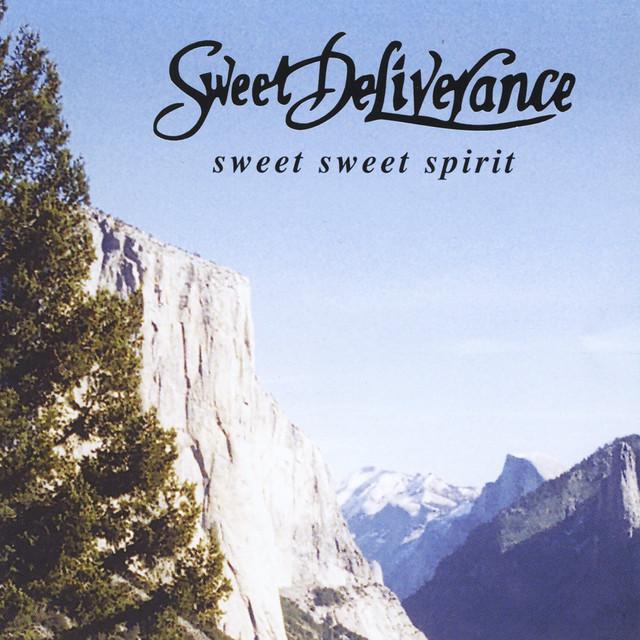
Sweet Deliverance

Religious
Christian Music
Gospel
 Viberate Rank: 251580
 Viberate Rank: 251580
 Monthly ListenersFollowers
 Subscribers
 Followers
 Followers
 FansTop Spotify Songs
| Track | 7-Day Streams | |
|---|---|---|
1 | 2.20K | |
2 | 1.37K | |
3 | 1.24K | |
4 | 931 | |
5 | 691 |
Top YouTube VideosMonthly ListenersFeatured in Playlists| Playlist | Followers | |
|---|---|---|
1 |  The Sound of Everything The Sounds of Spotify | 53.82K |
2 |  Church Of Christ Hymns docamporod | 7.72K |
3 | Praise and Harmony, Accapella music Kelly Cody | 4.59K |
4 | SDA SONGS Mawewe 2 | 3.25K |
5 | Best Acappella Gospel Songs family4him | 2.90K |
Audience| City | Monthly Listeners | |
|---|---|---|
1 |  | 498 |
2 |  | 484 |
3 |  | 390 |
4 |  | 321 |
5 | | 295 |
See full performance history, audience data, playlist activity, rankings, comparisons, and more in Viberate music analytics. Start with a free trial, then continue with a paid plan.
Sweet Deliverance’s Spotify BioSweet Deliverance is an A Cappella group, which started with Southern Gospel classics and moved toward Contemporary Christian and original music over the years.
Sweet Deliverance was originally formed in the late 1970's as an A Cappella, southern gospel style quartet, with Kevin Allsup as the 1st tenor. Three LPs were released with a few changes along the way, including having Kevin's younger brother Bob substituting as the deep bass.
As years went by, Bob still had a heart for music, recruiting his good friend Kevin Percival to fill the hole left by his brother Kevin. This second group of Kevin Percival, Gary Ferguson, Dave McPeak, and Bob Allsup went on to record three albums beginning with "Welcome Home Wayward One" and "Sweet Sweet Spirit", both filled with more Southern Gospel greats and "Sweet D's" distinct California flavor.
With Kevin and Bob leading the way, everyone in the group began to write music. Take His Hand and later albums would be mostly new, original music.
Their… reputation grew and their 8th album (not available on Spotify) was produced with Keith Lancaster & The Acappella Company. Their response: "They do it better than most folks". Their version of "Poor Wayfaring Stranger" won the 1997 CASA award for Gospel.
They didn't stop there, however. Their most recent albums "Walk On" and "You're My Rock" have more contemporary originals and covers, including the hits We Sing Holy, I Just Want to Celebrate, and Jesus Is Just Alright.
Viberate is a music analytics platform built for A&Rs, artist managers, labels, booking agents, marketers, and artists.
It helps music professionals track artist growth, analyze audience data, monitor playlist activity, compare artists, follow song performance, and identify opportunities across the music market.
Public artist pages provide a free preview of selected artist data. Paid plans provide access to deeper analytics, historical data, charts, comparisons, playlist tools, exports, alerts, reports, and additional professional features.
Yes. Public Viberate artist pages provide selected artist analytics and music data for free.
Viberate also offers a 7-day free trial of the full platform. A credit card is required to start the trial. The trial includes access to the complete product so users can test deeper artist analytics, historical views, playlist insights, comparisons, charts, exports, alerts, and reporting features before choosing a paid plan.
Viberate provides artist analytics across streaming, playlists, social media, video, radio airplay, songs, and audience markets.
Users can analyze Spotify performance, Spotify and Apple Music playlists, YouTube activity, TikTok and Instagram growth, radio spins, song performance, audience locations, demographics, rankings, and overall artist momentum.
Artist profiles also connect to music charts, similar artists, and comparison tools, helping users benchmark performance and evaluate artists in context.
Viberate updates key artist and track data daily.
For followed artists and tracks, selected data is refreshed multiple times per day. This helps teams monitor playlist changes, streaming movement, audience growth, releases, and campaign performance with more current data.
Update frequency can vary depending on the metric and data source.
Yes. Viberate lets users compare up to five artists side by side across streaming, social media, audience, and engagement metrics.
Users can compare fanbase growth, audience demographics, locations, Spotify performance, social metrics, and other artist data over selected time periods.
Artist comparison can be used for A&R scouting, benchmarking, booking decisions, campaign planning, and evaluating artists with similar audiences or market positions.