Suzanne Palmer

Electronic
Dance
Tribal House
 Viberate Rank: 235337
 Viberate Rank: 235337
 Monthly ListenersFollowers
 Subscribers
 Followers
 Followers
 FansTop Spotify SongsTop YouTube VideosMonthly ListenersFeatured in Playlists
| Playlist | Followers | |
|---|---|---|
1 |  IBIZA CLASSICS 🍹1990-2026 Lounge & Restaurant | 220.32K |
2 |  F1 PLAYLIST 2026 | F1 VIBES 🏎️ 💨 F1 Music | 174.78K |
3 | Best Deep House of all time Chris Michael | 23.16K |
4 |  Beat 100.9 exitos Lu Luna | 19.54K |
5 |  Midnight Rock and more! EMITHA | 15.95K |
Audience| City | Monthly Listeners | |
|---|---|---|
1 |  | 523 |
2 |  | 476 |
3 |  | 333 |
4 | | 263 |
5 | | 240 |
See full performance history, audience data, playlist activity, rankings, comparisons, and more in Viberate music analytics. Start with a free trial, then continue with a paid plan.
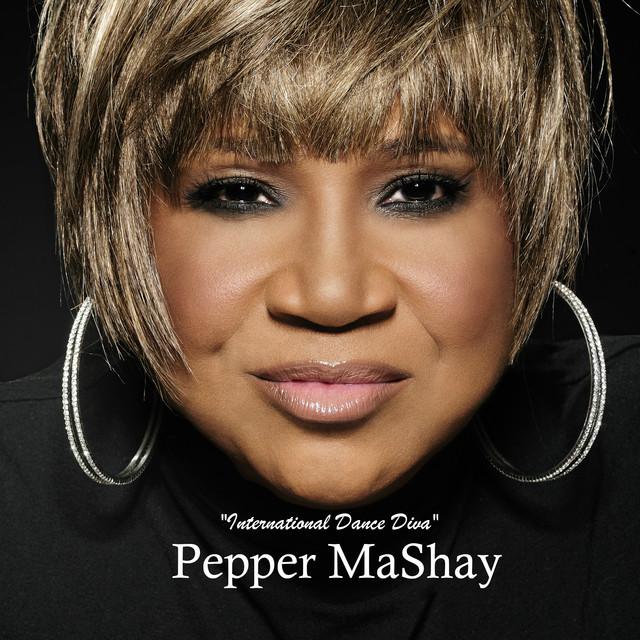
Suzanne Palmer’s Spotify BioChicago-born Suzanne Palmer became a high-profile dance music diva after teaming up with New York-based producer Peter Rauhofer and joined his project Club 69, adding her dazzling vocals on "Much Better," "Alright," "Twisted," and a house version of Diana Ross' 1981 hit "Muscles" featured on the 1997 album Style. The daughter of a jazz pianist, Palmer started performing professionally at the age of 16. From gospel, soul, jazz, and contemporary R&B to house and techno, the talented singer had the opportunity to start her solo career after touring Europe as part of the vocal group Victory Singers, achieving an award in an international pop festival in Poland and singing along with different U.S. numbers. In 2001, Palmer joined Peter Rauhofer once again to record a cover of British Kosheen's jungle/drum'n'bass smash "I Hide U," followed by "Show Me" in 2002. ~ Drago Bonacich, Rovi
Viberate is a music analytics platform built for A&Rs, artist managers, labels, booking agents, marketers, and artists.
It helps music professionals track artist growth, analyze audience data, monitor playlist activity, compare artists, follow song performance, and identify opportunities across the music market.
Public artist pages provide a free preview of selected artist data. Paid plans provide access to deeper analytics, historical data, charts, comparisons, playlist tools, exports, alerts, reports, and additional professional features.
Yes. Public Viberate artist pages provide selected artist analytics and music data for free.
Viberate also offers a 7-day free trial of the full platform. A credit card is required to start the trial. The trial includes access to the complete product so users can test deeper artist analytics, historical views, playlist insights, comparisons, charts, exports, alerts, and reporting features before choosing a paid plan.
Viberate provides artist analytics across streaming, playlists, social media, video, radio airplay, songs, and audience markets.
Users can analyze Spotify performance, Spotify and Apple Music playlists, YouTube activity, TikTok and Instagram growth, radio spins, song performance, audience locations, demographics, rankings, and overall artist momentum.
Artist profiles also connect to music charts, similar artists, and comparison tools, helping users benchmark performance and evaluate artists in context.
Viberate updates key artist and track data daily.
For followed artists and tracks, selected data is refreshed multiple times per day. This helps teams monitor playlist changes, streaming movement, audience growth, releases, and campaign performance with more current data.
Update frequency can vary depending on the metric and data source.
Yes. Viberate lets users compare up to five artists side by side across streaming, social media, audience, and engagement metrics.
Users can compare fanbase growth, audience demographics, locations, Spotify performance, social metrics, and other artist data over selected time periods.
Artist comparison can be used for A&R scouting, benchmarking, booking decisions, campaign planning, and evaluating artists with similar audiences or market positions.