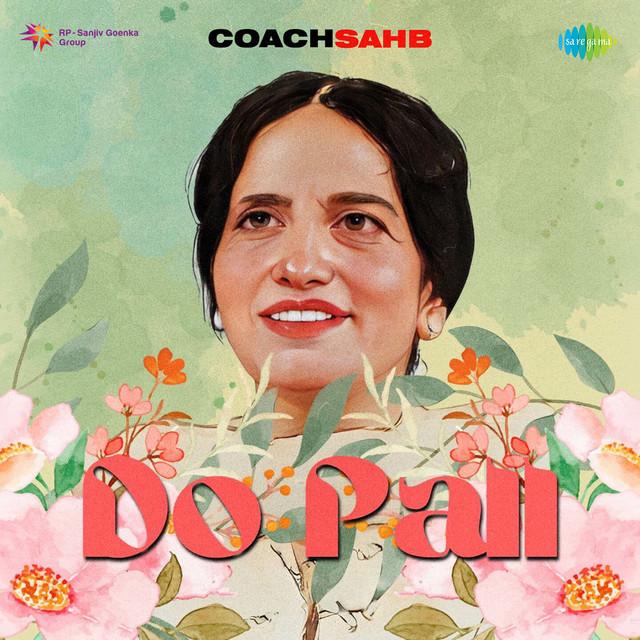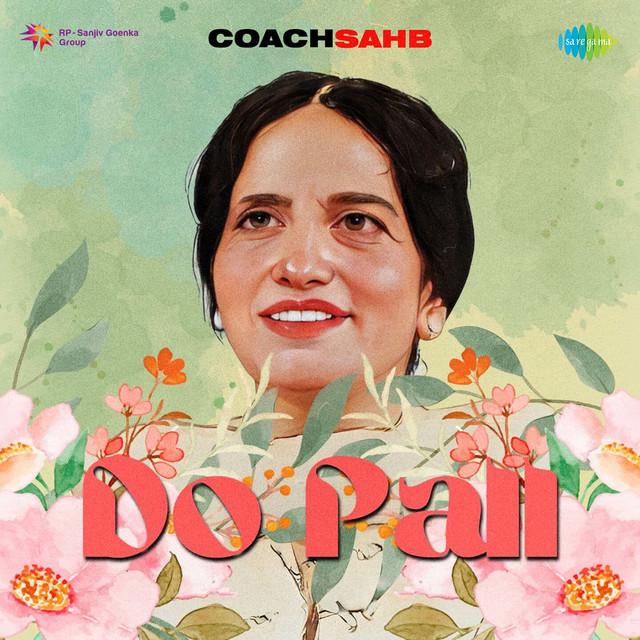
Surinder Kaur

Asian
Indian Folk
 Viberate Rank: 31780
 Viberate Rank: 31780
 Monthly ListenersFollowers
 Subscribers
 Followers
 Followers
 FansTop Spotify Songs
| Track | 7-Day Streams | |
|---|---|---|
1 | 1.30M | |
2 | 152.36K | |
3 | 152.36K | |
4 | 77.53K | |
5 | 59.51K |
Top YouTube VideosMonthly ListenersFeatured in Playlists| Playlist | Followers | |
|---|---|---|
1 |  New in Dance Spotify | 381.60K |
2 |  Bhangra Bangers Spotify | 249.88K |
3 |  Hot Hits Pakistan Spotify | 209.88K |
4 |  Chill Karlo Spotify | 185.07K |
5 |  1 AM Feels Punjabi Spotify | 112.23K |
Audience| City | Monthly Listeners | |
|---|---|---|
1 |  | 257.23K |
2 | | 208.79K |
3 | | 177.09K |
4 | | 149.98K |
5 | | 146.56K |
See full performance history, audience data, playlist activity, rankings, comparisons, and more in Viberate music analytics. Start with a free trial, then continue with a paid plan.
Surinder Kaur’s Spotify Bio"The Nightingale of Punjab," Surinder Kaur was her generation's premier interpreter of Indian folk music. Born November 25, 1929, in Lahore, the capital of the then-undivided state of Punjab, Kaur was one of eight children. At the age of 12, she and older sister Parkash together studied classical music under Muslim master Inayat Husain and Hindu master Pandit Mani Parshad, ultimately conquering the complexities of the complete Indian musical scale with a command virtually unmatched by their rivals. Kaur made her professional debut on Radio Lahore in August 1943, and the following year she and Parkash cut their first duet, "Maavan Te Teeyan Ral Baithiyaan," for the HMV label, emerging as superstars across the Indian subcontinent.
Following Punjab's 1947 partition, Kaur and her parents relocated to Delhi, later settling in Bombay. There she began working as a film industry playback singer, and for the 1949 film Shaheed recorded one of her most memorable hits, "Badnam Na Ho Jaye Mohabbat… Ka Fasaana." Upon returning to Delhi in 1942, Kaur married Joginder Singh Sodhi, a university literature professor who guided her career in the decades to follow. "He was the one who made me a star," she later recalled. "He chose all the lyrics I sang and we both collaborated on compositions." Together Kaur and Sodhi wrote such classics as "Chan Kithe Guari Aai Raat," "Lathe Di Chadar," "Shonkan Mele Di," and "Gori Diyan Jhanjran Sarke-Sarke Jandiye Mutiare" -- they also served as the public face of the Indian People's Theatre Association, an arm of the Indian Communist party, spreading messages of peace and love to the most remote villages of East Punjab.
In all Kaur recorded more than 2,000 songs, among them duets with Asa Singh Mastana, Harcharan Grewel, Rangilla Jatt, and Didar Sandhu. Although her life and collaboration with Sodhi was cut short upon the educator's death in 1975, she continued the family's creative tradition via duets with their daughter Dolly Guleria and granddaughter Sunaina, culminating in the 1995 LP The Three Generations. In 2006 a prolonged illness prompted Kaur to seek treatment in the U.S. -- she died in a New Jersey hospital on June 15 at the age of 77. ~ Jason Ankeny, Rovi
Viberate is a music analytics platform built for A&Rs, artist managers, labels, booking agents, marketers, and artists.
It helps music professionals track artist growth, analyze audience data, monitor playlist activity, compare artists, follow song performance, and identify opportunities across the music market.
Public artist pages provide a free preview of selected artist data. Paid plans provide access to deeper analytics, historical data, charts, comparisons, playlist tools, exports, alerts, reports, and additional professional features.
Yes. Public Viberate artist pages provide selected artist analytics and music data for free.
Viberate also offers a 7-day free trial of the full platform. A credit card is required to start the trial. The trial includes access to the complete product so users can test deeper artist analytics, historical views, playlist insights, comparisons, charts, exports, alerts, and reporting features before choosing a paid plan.
Viberate provides artist analytics across streaming, playlists, social media, video, radio airplay, songs, and audience markets.
Users can analyze Spotify performance, Spotify and Apple Music playlists, YouTube activity, TikTok and Instagram growth, radio spins, song performance, audience locations, demographics, rankings, and overall artist momentum.
Artist profiles also connect to music charts, similar artists, and comparison tools, helping users benchmark performance and evaluate artists in context.
Viberate updates key artist and track data daily.
For followed artists and tracks, selected data is refreshed multiple times per day. This helps teams monitor playlist changes, streaming movement, audience growth, releases, and campaign performance with more current data.
Update frequency can vary depending on the metric and data source.
Yes. Viberate lets users compare up to five artists side by side across streaming, social media, audience, and engagement metrics.
Users can compare fanbase growth, audience demographics, locations, Spotify performance, social metrics, and other artist data over selected time periods.
Artist comparison can be used for A&R scouting, benchmarking, booking decisions, campaign planning, and evaluating artists with similar audiences or market positions.