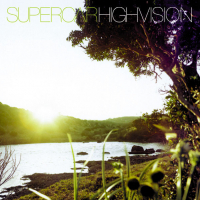
Supercar

Rock
Indie Rock
Shoegaze
 Viberate Rank: 102929
 Viberate Rank: 102929
 Monthly ListenersFollowers
 Subscribers
 Followers
 Followers
 FansTop Spotify Songs
| Track | 7-Day Streams | |
|---|---|---|
1 | 14.90K | |
2 | 11.76K | |
3 | 11.66K | |
4 | 9.14K | |
5 | 5.74K |
Top YouTube VideosMonthly ListenersFeatured in Playlists| Playlist | Followers | |
|---|---|---|
1 | Japanese Shoegaze tokenainamae | 44.19K |
2 |  Japanese - Rock, Alternative, Indie, Funk David Kavenga | 30.22K |
3 | この世で一番いい曲 マークゼウス | 23.30K |
4 | 疾走感ある邦楽ロック Luke | 17.90K |
5 | この世で最もいい曲100選(究極版) zippu21(Peter) | 16.52K |
Audience| City | Monthly Listeners | |
|---|---|---|
1 | | 5.44K |
2 | | 2.76K |
3 | | 1.57K |
4 | | 1.50K |
5 | | 852 |
See full performance history, audience data, playlist activity, rankings, comparisons, and more in Viberate music analytics. Start with a free trial, then continue with a paid plan.
Supercar’s Spotify BioIn 1995 the melodic rock quartet Supercar was formed in the northern Japanese prefecture of Aomori. This guitar and vocal oriented band, which consists of Nakako on guitar and vocals, Miki on bass and vocals, Junji on guitar, and Kodai on drums, released their debut single, Cream Soda, in September of 1997. Their first CD, Three Out Change, was released in April of 1998 and featured Cream Soda with two other previously released singles (Lucky and Planet). A year later Supercar released their second CD, Jump Up. With this CD they sped into second place on the Japanese domestic charts. In May of 1999 the band shifted into overdrive and cranked out a compilation of outtakes entitled OOKeah!!, which was distributed in limited numbers. A few months later Supercar added some tracks to OOKeah!! and reissued the CD domestically in conjunction with the release of their fourth CD, OOYeah!! In the Supercar sound, one can identify such influences as the Jesus and Mary Chain and Echo and The… Bunnymen. Supercar has a particular predilection for richly textured guitar distortion and melodic vocal lines. Due to their admiration for such acts as the Chemical Brothers and Primal Scream, Supercar has recently been working with sounds and techniques related to the realm of techno, swapping sound files with outside collaborators and relying more heavily on drum loops and samples. On the live side of things, they opened for Pavement in Tokyo back in 1999 and played Austin's SXSW at Sony's Japan Not For Sale artist showcase in March of 2000. ~ John Vallier, Rovi
Viberate is a music analytics platform built for A&Rs, artist managers, labels, booking agents, marketers, and artists.
It helps music professionals track artist growth, analyze audience data, monitor playlist activity, compare artists, follow song performance, and identify opportunities across the music market.
Public artist pages provide a free preview of selected artist data. Paid plans provide access to deeper analytics, historical data, charts, comparisons, playlist tools, exports, alerts, reports, and additional professional features.
Yes. Public Viberate artist pages provide selected artist analytics and music data for free.
Viberate also offers a 7-day free trial of the full platform. A credit card is required to start the trial. The trial includes access to the complete product so users can test deeper artist analytics, historical views, playlist insights, comparisons, charts, exports, alerts, and reporting features before choosing a paid plan.
Viberate provides artist analytics across streaming, playlists, social media, video, radio airplay, songs, and audience markets.
Users can analyze Spotify performance, Spotify and Apple Music playlists, YouTube activity, TikTok and Instagram growth, radio spins, song performance, audience locations, demographics, rankings, and overall artist momentum.
Artist profiles also connect to music charts, similar artists, and comparison tools, helping users benchmark performance and evaluate artists in context.
Viberate updates key artist and track data daily.
For followed artists and tracks, selected data is refreshed multiple times per day. This helps teams monitor playlist changes, streaming movement, audience growth, releases, and campaign performance with more current data.
Update frequency can vary depending on the metric and data source.
Yes. Viberate lets users compare up to five artists side by side across streaming, social media, audience, and engagement metrics.
Users can compare fanbase growth, audience demographics, locations, Spotify performance, social metrics, and other artist data over selected time periods.
Artist comparison can be used for A&R scouting, benchmarking, booking decisions, campaign planning, and evaluating artists with similar audiences or market positions.