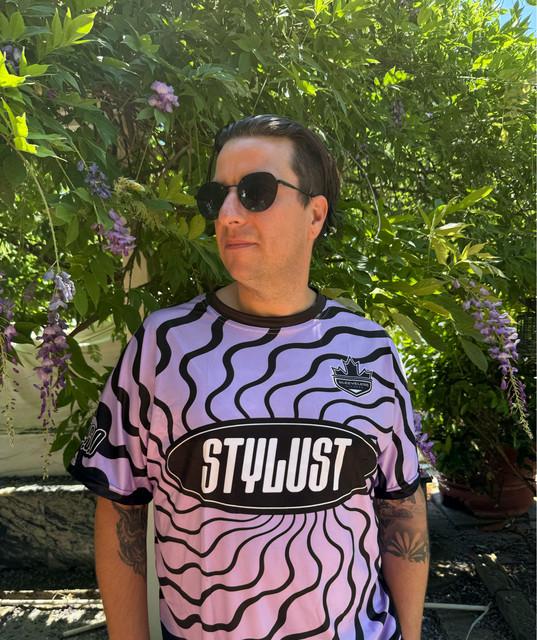
Super Future

Electronic
Trap/Future Bass
Dubstep
Downtempo
 Viberate Rank: 101761
 Viberate Rank: 101761
 Monthly ListenersFollowers
 Subscribers
 Followers
 Followers
 FansTop Spotify Songs
| Track | 7-Day Streams | |
|---|---|---|
1 | 17.88K | |
2 | 4.43K | |
3 | 4.09K | |
4 | 3.86K | |
5 | 2.90K |
Top YouTube VideosMonthly ListenersFeatured in Playlists| Playlist | Followers | |
|---|---|---|
1 |  Sub Low Spotify | 397.66K |
2 |  Hip-Hop Workout Topsify Germany | 158.51K |
3 |  Spinnin' Records Brand New Spinnin’ Records | 117.47K |
4 |  Spinnin' Records loicgrandgirard | 112.48K |
5 |  Bass Music Future House Cloud | 39.47K |
Audience| City | Monthly Listeners | |
|---|---|---|
1 | | 2.77K |
2 | | 2.07K |
3 | | 1.45K |
4 | | 1.33K |
5 | | 1.24K |
See full performance history, audience data, playlist activity, rankings, comparisons, and more in Viberate music analytics. Start with a free trial, then continue with a paid plan.
Super Future’s Spotify BioFrom one of the most musically-rich cities of the USA, you’ll find Nick Rowland, an integral player in the Detroit electronic music scene, shining with the vibrant look and sounds of his alias, Super Future. His style is a diverse combination of experimental bass, beautiful melodies, bright future-style synths, and hard-hitting dance beats all complimented by rare virtuosic guitar solos. With all of the genres his art blends, his range and originality are creating a larger and more impressive musical statement with each coming year. Having a range of major tastemakers like Zeds Dead, Subtronics, GRiZ, Tape B, Rezz, CloZee, Of The Trees and LSDREAM supporting his music, this Future is always looking Super.
It’s easy to hear that Rowland’s musical inclination was harnessed early, when he was shredding classics on guitar. His music today has echoes of his early love for live instrumentation, with elements of various guitar and percussion types underneath the forward-thinking experimental… and contemporary dance sounds. Super Future can just as easily bring the nostalgia of 2010 melodic dubstep as he can wield the most unheard-of experimental bass nuances in the same live experience. In the middle of all that, Rowland can invoke powerful emotion with his downtempo and have you throwing ass five minutes later! Catch him on tour near you to see why Super Future is thought to be one of the most musically diverse, and most prolific sound design engineers of his EDM generation.
Viberate is a music analytics platform built for A&Rs, artist managers, labels, booking agents, marketers, and artists.
It helps music professionals track artist growth, analyze audience data, monitor playlist activity, compare artists, follow song performance, and identify opportunities across the music market.
Public artist pages provide a free preview of selected artist data. Paid plans provide access to deeper analytics, historical data, charts, comparisons, playlist tools, exports, alerts, reports, and additional professional features.
Yes. Public Viberate artist pages provide selected artist analytics and music data for free.
Viberate also offers a 7-day free trial of the full platform. A credit card is required to start the trial. The trial includes access to the complete product so users can test deeper artist analytics, historical views, playlist insights, comparisons, charts, exports, alerts, and reporting features before choosing a paid plan.
Viberate provides artist analytics across streaming, playlists, social media, video, radio airplay, songs, and audience markets.
Users can analyze Spotify performance, Spotify and Apple Music playlists, YouTube activity, TikTok and Instagram growth, radio spins, song performance, audience locations, demographics, rankings, and overall artist momentum.
Artist profiles also connect to music charts, similar artists, and comparison tools, helping users benchmark performance and evaluate artists in context.
Viberate updates key artist and track data daily.
For followed artists and tracks, selected data is refreshed multiple times per day. This helps teams monitor playlist changes, streaming movement, audience growth, releases, and campaign performance with more current data.
Update frequency can vary depending on the metric and data source.
Yes. Viberate lets users compare up to five artists side by side across streaming, social media, audience, and engagement metrics.
Users can compare fanbase growth, audience demographics, locations, Spotify performance, social metrics, and other artist data over selected time periods.
Artist comparison can be used for A&R scouting, benchmarking, booking decisions, campaign planning, and evaluating artists with similar audiences or market positions.