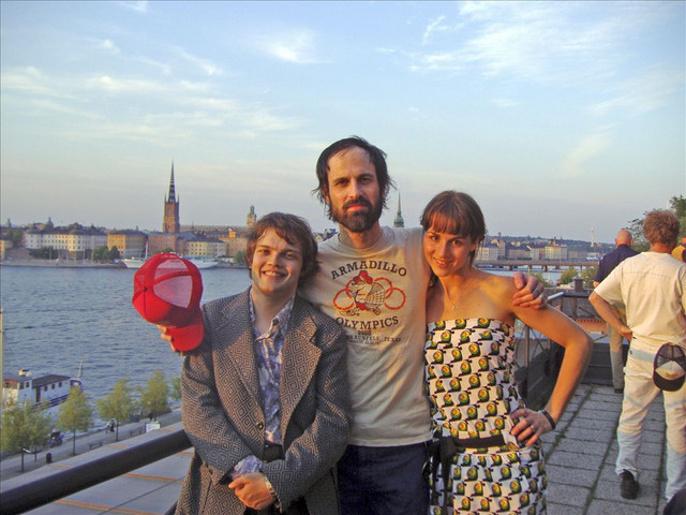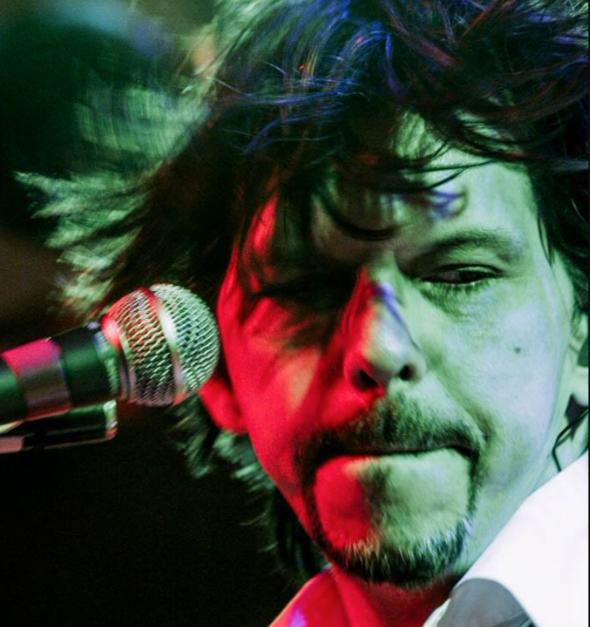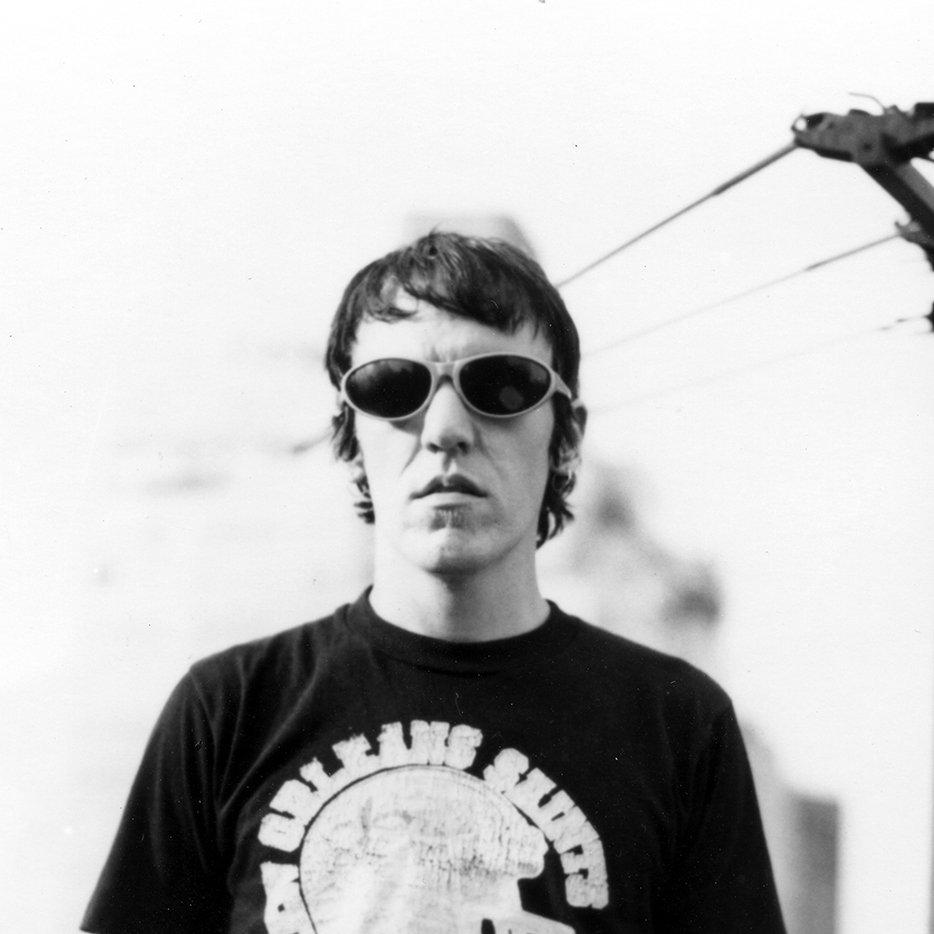
Sun Kil Moon

Rock
Folk Rock
Indie Folk
 Viberate Rank: 31798
 Viberate Rank: 31798
 Monthly ListenersFollowers
 Subscribers
 Followers
 Followers
 FansTop Spotify Songs
| Track | 7-Day Streams | |
|---|---|---|
1 | 135.38K | |
2 | 75.06K | |
3 | 58.43K | |
4 | 54.19K | |
5 | 52.89K |
Top YouTube VideosMonthly ListenersFeatured in Playlists| Playlist | Followers | |
|---|---|---|
1 |  Spooky Banjo Time Pawns or Kings | 213.07K |
2 |  slowcore Spotify | 212.04K |
3 |  The OC Soundtrack [All Seasons Playlist] Solitude Collective | 138.10K |
4 |  00s Indie Folk Spotify | 127.73K |
5 | While You Work (@whileyouwork) Eli Feghali | 81.75K |
Audience| City | Monthly Listeners | |
|---|---|---|
1 |  | 18.98K |
2 | | 16.51K |
3 | | 14.12K |
4 | | 13.02K |
5 | | 12.53K |
See full performance history, audience data, playlist activity, rankings, comparisons, and more in Viberate music analytics. Start with a free trial, then continue with a paid plan.
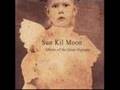
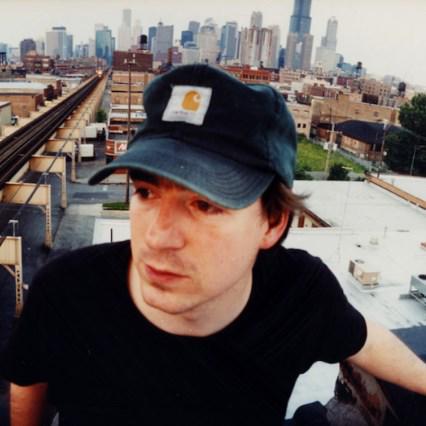
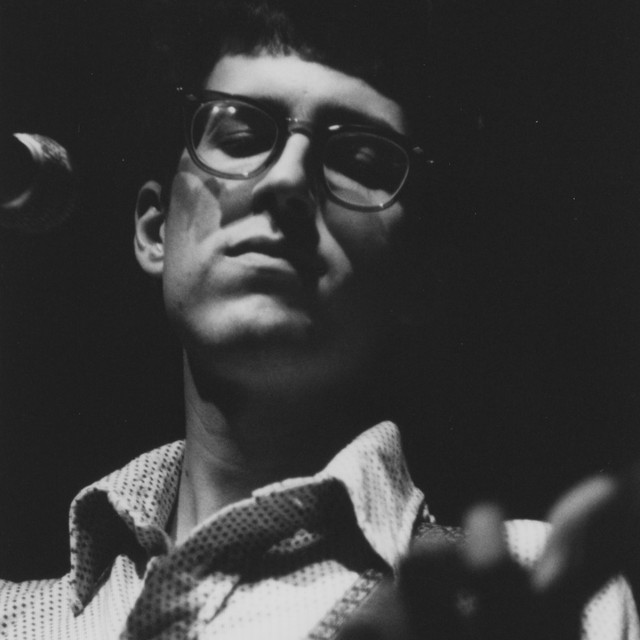
Sun Kil Moon’s Spotify BioAfter dissolving his previous band Red House Painters, singer/songwriter Mark Kozelek resurfaced with Sun Kil Moon, refining and expanding the luminous acoustic balladry and harrowingly intimate lyricism that were the hallmarks of his career to date. He debuted Sun Kil Moon with 2002's Ghosts of the Great Highway, an extension of Red House Painters' melancholic dream pop sound. Following 2010's sparse yet exquisitely crafted Admiral Fell Promises, Kozelek's songwriting became much more direct, literal, and even humorous starting with 2012's Among the Leaves. Released in 2014, the particularly confessional Benji proved to be one of the most popular and critically acclaimed releases of Kozelek's entire career. Kozelek continued to explore a diary-like, self-referential songwriting style on subsequent releases such as 2015's Universal Themes and two collaborations with Jesu.
Born in Massillon, Ohio, in 1967, Kozelek formed his first band, God Forbid, while in his teens. Upon relocating to… Atlanta, he struck up a friendship with drummer Anthony Koutsos, and together they formed the first incarnation of Red House Painters. A move to San Francisco followed, where guitarist Gorden Mack and bassist Jerry Vessel rounded out the group's roster. While performing on the Bay Area club circuit, the quartet came to the attention of American Music Club frontman Mark Eitzel, who often cited Red House Painters as his favorite band. Through Eitzel, RHP's demo tape made its way to the London offices of 4AD Records, which signed the group and in 1992 issued the unvarnished demos -- a striking collection of Spartan, atmospheric melodies lurking behind Kozelek's ghostly vocals -- as the LP Down Colorful Hill. Subsequent efforts, highlighted by a pair of eponymous albums released back to back in 1993, established Kozelek as a writer of stunning emotional depth, unflinchingly detailing his erratic, abusive nature and troubled background.
But relations with 4AD grew strained, and when Kozelek began work on a long-rumored solo album in the wake of 1995's radiant Ocean Beach, the label terminated Red House Painters' contract. Although none of Kozelek's bandmates appeared on the completed LP, the solo disc Songs for a Blue Guitar was instead issued under the RHP banner when it appeared on Island's Supreme imprint in 1996. The group reunited in late 1997 for one final album, Old Ramon, but the Polygram/Universal merger spelled Supreme's end, and the completed LP was indefinitely shelved. Kozelek soon began work assembling and producing Take Me Home: A Tribute to John Denver, an all-star cover record celebrating the life and music of the late folkie, and in 2000 issued his first proper solo effort, Rock 'n' Roll Singer, a curious yet compelling patchwork highlighted by three Bon Scott-era AC/DC covers. Perhaps most surprising, Kozelek also co-starred in filmmaker Cameron Crowe's 2000 release Almost Famous, playing Larry Fellows, bassist for the fictional '70s hard rock band Stillwater. After securing the rights to Old Ramon, Kozelek licensed the album to Sub Pop for release in the spring of 2001. Later that same year, the label also issued his limited-edition solo set White Christmas Live.
In early 2002, Kozelek assembled Sun Kil Moon with former Red House Painter Anthony Koutsos, Black Lab bassist Geoff Stanfield, and erstwhile American Music Club drummer Tim Mooney. Their debut LP, Ghosts of the Great Highway, appeared to wide critical acclaim in late 2003, and Kozelek assembled a new touring band to support its release, spending the better part of 2004 on the road. He also continued his film career, again playing a fictional musician in the 2005 big-screen adaptation of Steve Martin's comedic novella Shopgirl. That summer, Kozelek joined with Low's Alan Sparhawk in the classic rock cover band the Retribution Gospel Choir, issuing a tour-only EP in advance of the second Sun Kil Moon album, the much maligned Tiny Cities, a collection of covers by indie rock band Modest Mouse. The album was the first released on Kozelek's own Caldo Verde label. April, featuring guest vocals from Will Oldham and Ben Gibbard, followed in 2008. Kozelek switched it up again for 2010's Admiral Fell Promises; he recorded ten new songs accompanied only by a nylon-stringed guitar. The like-minded Among the Leaves, Kozelek's fifth outing under the moniker, arrived in 2012.
An especially direct collection of songs titled Benji was issued in February of 2014. The album was an unexpected critical and commercial success, hitting number 75 in the Billboard 200 album chart and ranking in year-end lists from numerous publications, including FACT, which named it the best album of 2014. Kozelek's sudden increase in media attention also spotlighted his infamously crabby on-stage behavior, which sometimes threatened to overshadow his music; a one-sided feud with the War on Drugs was particularly well-publicized. Kozelek ended 2014 with the long-promised release of Sings Christmas Carols, his solo album of holiday standards. Sun Kil Moon's seventh album, Universal Themes, arrived in June of 2015. Sun Kil Moon's long-rumored collaboration with Justin Broadrick's project Jesu was announced that year, with a pre-release track, "America's Most Wanted Mark Kozelek and John Dillinger," offered to websites in October. The album, simply titled Jesu/Sun Kil Moon, appeared on Caldo Verde in January of 2016. Kozelek then released an album of cover tunes simply titled Sings Favorites. Sun Kil Moon's ambitious double-album Common as Light and Love Are Red Valleys of Blood was released in February of 2017. This was followed by a second Jesu collaboration, 30 Seconds to the Decline of Planet Earth. Following three releases under his own name (a collaboration with Sean Yeaton, one with Ben Boye and Jim White, and an eponymous solo effort), Kozelek resumed work as Sun Kil Moon with 2018's This Is My Dinner. The next year another lengthy album materialized in the form of I Also Want to Die in New Orleans. The album's jazz-inflected instrumentals again featured contributions from drummer Jim White as well as saxophonist Donny McCaslin. ~ Jason Ankeny, Rovi
Viberate is a music analytics platform built for A&Rs, artist managers, labels, booking agents, marketers, and artists.
It helps music professionals track artist growth, analyze audience data, monitor playlist activity, compare artists, follow song performance, and identify opportunities across the music market.
Public artist pages provide a free preview of selected artist data. Paid plans provide access to deeper analytics, historical data, charts, comparisons, playlist tools, exports, alerts, reports, and additional professional features.
Yes. Public Viberate artist pages provide selected artist analytics and music data for free.
Viberate also offers a 7-day free trial of the full platform. A credit card is required to start the trial. The trial includes access to the complete product so users can test deeper artist analytics, historical views, playlist insights, comparisons, charts, exports, alerts, and reporting features before choosing a paid plan.
Viberate provides artist analytics across streaming, playlists, social media, video, radio airplay, songs, and audience markets.
Users can analyze Spotify performance, Spotify and Apple Music playlists, YouTube activity, TikTok and Instagram growth, radio spins, song performance, audience locations, demographics, rankings, and overall artist momentum.
Artist profiles also connect to music charts, similar artists, and comparison tools, helping users benchmark performance and evaluate artists in context.
Viberate updates key artist and track data daily.
For followed artists and tracks, selected data is refreshed multiple times per day. This helps teams monitor playlist changes, streaming movement, audience growth, releases, and campaign performance with more current data.
Update frequency can vary depending on the metric and data source.
Yes. Viberate lets users compare up to five artists side by side across streaming, social media, audience, and engagement metrics.
Users can compare fanbase growth, audience demographics, locations, Spotify performance, social metrics, and other artist data over selected time periods.
Artist comparison can be used for A&R scouting, benchmarking, booking decisions, campaign planning, and evaluating artists with similar audiences or market positions.