Sumerlands

Metal
Heavy Metal
 Viberate Rank: 216698
 Viberate Rank: 216698
 Monthly ListenersFollowers
 Subscribers
 Followers
 Followers
 FansTop Spotify Songs
| Track | 7-Day Streams | |
|---|---|---|
1 | 1.32K | |
2 | 672 | |
3 | 609 | |
4 | 577 | |
5 | 554 |
Top YouTube VideosMonthly ListenersFeatured in Playlists| Playlist | Followers | |
|---|---|---|
1 |  FENRIZ METAL Gylve | 32.35K |
2 |  Reddit not all metal is insane noise & screaming dustbutt | 11.19K |
3 |  TESTOSTERONA RADIO Eduardo Mendes | 7.81K |
4 |  NWOTHM - New Wave of Traditional Heavy Metal Subterranean Steel | 7.39K |
5 |  Sick Ass Fools Cmon | 3.64K |
Audience| City | Monthly Listeners | |
|---|---|---|
1 | | 84 |
2 | | 83 |
3 |  | 81 |
4 | | 80 |
5 | | 67 |
See full performance history, audience data, playlist activity, rankings, comparisons, and more in Viberate music analytics. Start with a free trial, then continue with a paid plan.
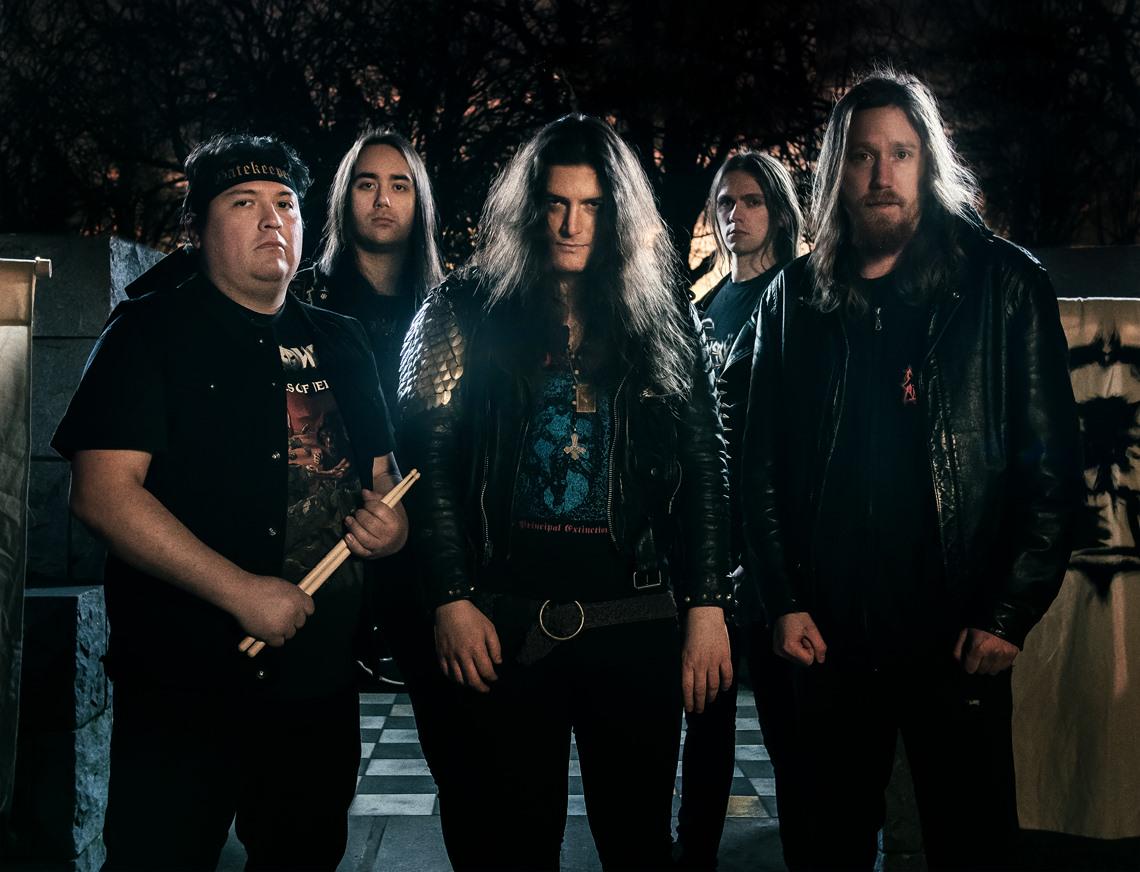
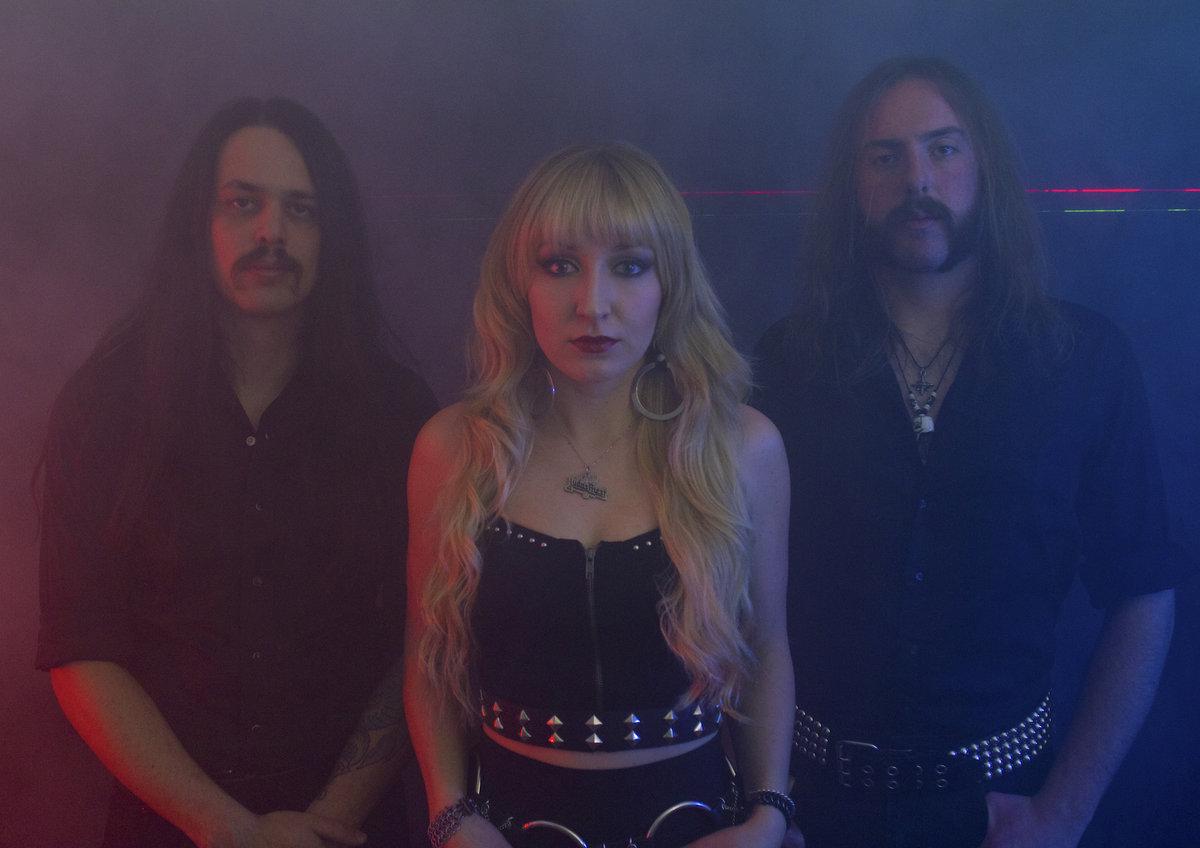
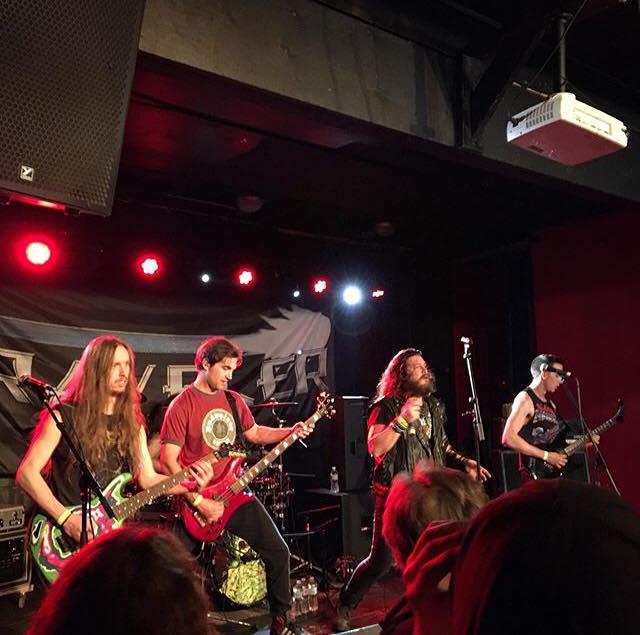
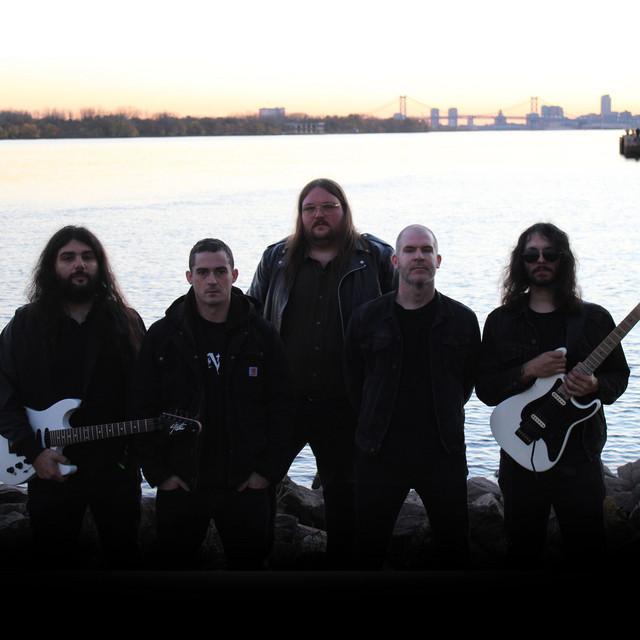
Sumerlands’ Spotify BioSumerlands are a Philadelphia-based heavy metal quintet comprising scene veterans whose sound is rooted in 1970s hard rock and classic power metal from the '80s and '90s. Their acclaimed sound weds vintage metal styles to modern production thanks to guitarist Arthur Rizk. Following an acclaimed 2014 demo they signed with Relapse for their 2016 eponymous debut album. After touring, a personnel change, and the pandemic, they returned with a new singer for 2022's Dreamkiller.
Sumerlands was the brainchild of guitarist/producer/engineer Arthur Rizk (War Hungry), and veteran vocalist Phil Swanson (Hour of 13, Seamount). They enlisted drummer Justin De Tore (Devil's Dare, Boston Strangler), guitarist John Powers, and bassist Brad Raub (both ex-Leather). The Guardian Demo was issued in the summer of 2014, followed by a self-titled debut for Relapse in 2016. The album sold well and provided touring opportunities across the U.S. and Europe for several years.
The always-busy Swanson left… Sumerlands amicably in 2020 to form Smith & Swanson with guitarist Tim Schmidt. Rizk recruited veteran vocalist Brendan Radigan (Battering Ram, Nachtstille, ex-Magic Circle) to replace him. After rehearsals, they played select dates further integrating him into their sound and approach.
In April 2022, Sumerlands issued the Ageless Life EP, that included the original "Heavens Above" and an inventive cover of Fleetwoot Mac's "I'm So Afraid." They followed it with the single and video for "Dreamkiller" in July. In September, the Rizk-produced full-length, also titled Dreamkiller, appeared from Relapse, followed by a North American tour. ~ Thom Jurek, Rovi
Viberate is a music analytics platform built for A&Rs, artist managers, labels, booking agents, marketers, and artists.
It helps music professionals track artist growth, analyze audience data, monitor playlist activity, compare artists, follow song performance, and identify opportunities across the music market.
Public artist pages provide a free preview of selected artist data. Paid plans provide access to deeper analytics, historical data, charts, comparisons, playlist tools, exports, alerts, reports, and additional professional features.
Yes. Public Viberate artist pages provide selected artist analytics and music data for free.
Viberate also offers a 7-day free trial of the full platform. A credit card is required to start the trial. The trial includes access to the complete product so users can test deeper artist analytics, historical views, playlist insights, comparisons, charts, exports, alerts, and reporting features before choosing a paid plan.
Viberate provides artist analytics across streaming, playlists, social media, video, radio airplay, songs, and audience markets.
Users can analyze Spotify performance, Spotify and Apple Music playlists, YouTube activity, TikTok and Instagram growth, radio spins, song performance, audience locations, demographics, rankings, and overall artist momentum.
Artist profiles also connect to music charts, similar artists, and comparison tools, helping users benchmark performance and evaluate artists in context.
Viberate updates key artist and track data daily.
For followed artists and tracks, selected data is refreshed multiple times per day. This helps teams monitor playlist changes, streaming movement, audience growth, releases, and campaign performance with more current data.
Update frequency can vary depending on the metric and data source.
Yes. Viberate lets users compare up to five artists side by side across streaming, social media, audience, and engagement metrics.
Users can compare fanbase growth, audience demographics, locations, Spotify performance, social metrics, and other artist data over selected time periods.
Artist comparison can be used for A&R scouting, benchmarking, booking decisions, campaign planning, and evaluating artists with similar audiences or market positions.