Sumac

Metal
Doom/Sludge Metal
 Viberate Rank: 151941
 Viberate Rank: 151941
 Monthly ListenersFollowers
 Subscribers
 Followers
 Followers
 FansTop Spotify Songs
| Track | 7-Day Streams | |
|---|---|---|
1 | 924 | |
2 | 453 | |
3 | 346 | |
4 | 342 | |
5 | 244 |
Top YouTube Videos| Video | 7-Day Views | |
|---|---|---|
1 | 153 |
Monthly ListenersFeatured in Playlists| Playlist | Followers | |
|---|---|---|
1 |  Pitchfork's Best New Music Pitchfork | 177.07K |
2 |  The Sound of Everything The Sounds of Spotify | 53.81K |
3 |  Best of Post-Metal Post Rock Community | 13.03K |
4 |  songs to eat glass to Machine Girl | 8.89K |
5 | Audiobooks, radio plays, short stories, pœtry, comedy & spoken word ultravellocet | 8.56K |
Audience| City | Monthly Listeners | |
|---|---|---|
1 | | 92 |
2 | | 78 |
3 |  | 76 |
4 | | 73 |
5 | | 69 |
See full performance history, audience data, playlist activity, rankings, comparisons, and more in Viberate music analytics. Start with a free trial, then continue with a paid plan.
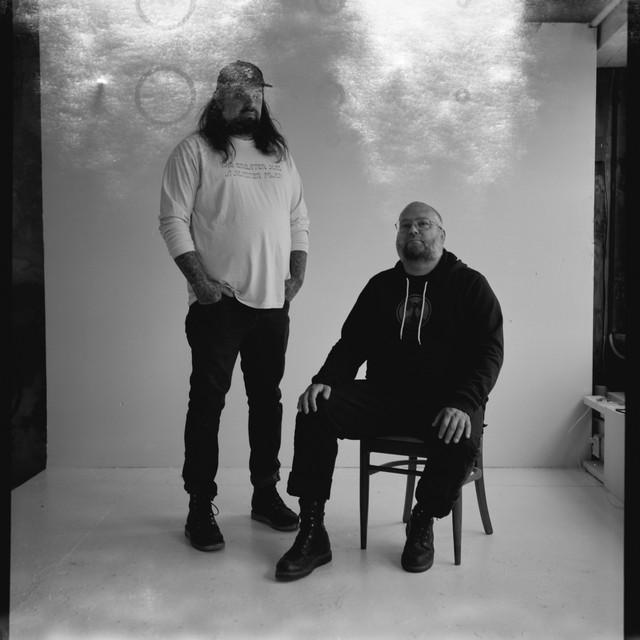
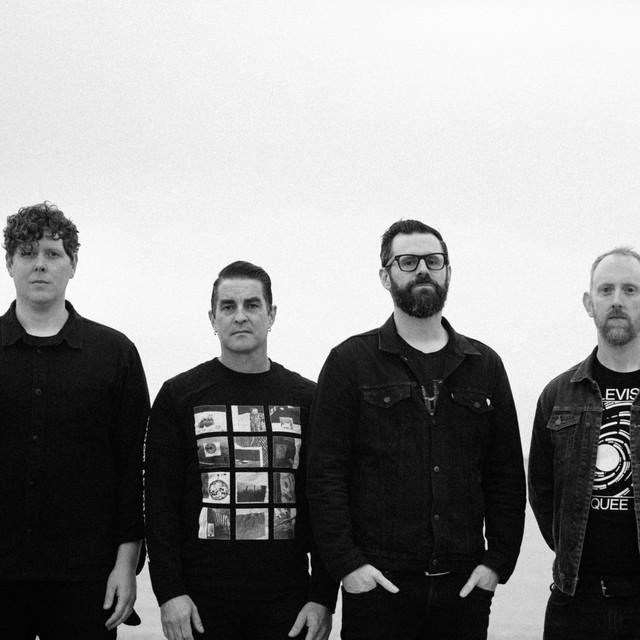
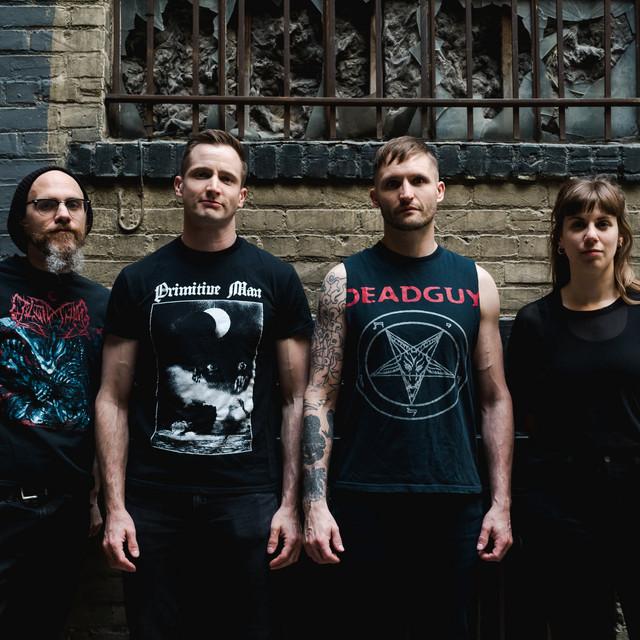
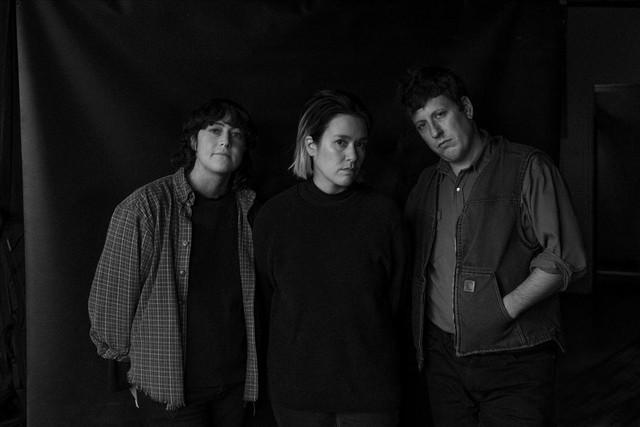
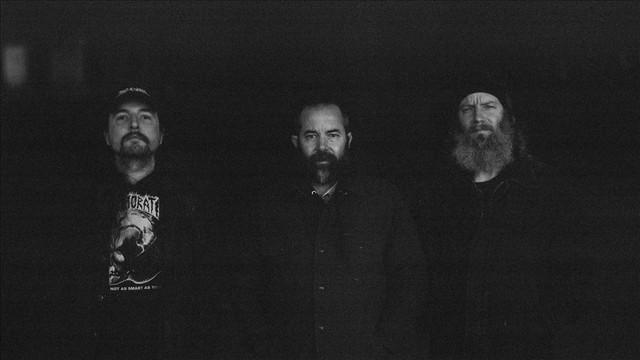
Sumac’s Spotify BioPacific Northwest trio Sumac include members of post-metal heavyweights such as Isis and Russian Circles. The group's intense, complex sound falls somewhere between sludge metal and experimental noise rock, and their mammoth, punishing compositions include numerous time changes as well as occasional ambient interludes. Lyrically, the band examine subjects such as struggles with anxiety (on 2016's What One Becomes) and the spiritual aspects of love (on 2018's Love in Shadow). Sumac frequently collaborate with Japanese noise guitarist Keiji Haino, as on releases like 2022's Into This Juvenile Apocalypse Our Golden Blood to Pour Let Us Never. Sumac continued expanding their sound with 2024's The Healer.
Sumac was founded in 2014 by guitarist/vocalist Aaron Turner (Isis, Old Man Gloom, Mamiffer) along with Canadian drummer Nick Yacyshyn (Baptists, Hard Feelings) and bassist Brian Cook (Botch, These Arms Are Snakes, Russian Circles). The group's debut full-length, The Deal, was released in… 2015 as a double LP by Sige and on CD by Profound Lore. The group then signed to Thrill Jockey, which issued their second album, What One Becomes, in 2016. Before You I Appear, a remix EP featuring contributions by Kevin Drumm and Samuel Kerridge, arrived at the end of the year. WFMU, a cassette containing the group's 2016 session recorded for Brian Turner's program on the New Jersey-based free-form radio station, was issued by Sige in February 2018.
During the same month, Thrill Jockey released the group's first collaboration with Japanese noise legend Keiji Haino, titled American Dollar Bill: Keep Facing Sideways, You're Too Hideous to Look at Face On. The session with Haino informed the recording of Sumac's next album, Love in Shadow, which followed in September. Even for Just the Briefest Moment/Keep Charging This "Expiation"/Plug in to Making It Slightly Better, a second album drawn from the band's sessions with Haino, appeared on Trost in 2019. May You Be Held, a reflection on humanism and compassion, was issued by Thrill Jockey in 2020. Into This Juvenile Apocalypse Our Golden Blood to Pour Let Us Never, recorded live with Haino in 2019, was released in 2022. The Healer, another overwhelming fusion of sludge metal and free improv, appeared in 2024. Its release was accompanied by The Keeper's Tongue, an EP containing remixes by Moor Mother and Ravon Chacon. ~ Paul Simpson, Rovi
Viberate is a music analytics platform built for A&Rs, artist managers, labels, booking agents, marketers, and artists.
It helps music professionals track artist growth, analyze audience data, monitor playlist activity, compare artists, follow song performance, and identify opportunities across the music market.
Public artist pages provide a free preview of selected artist data. Paid plans provide access to deeper analytics, historical data, charts, comparisons, playlist tools, exports, alerts, reports, and additional professional features.
Yes. Public Viberate artist pages provide selected artist analytics and music data for free.
Viberate also offers a 7-day free trial of the full platform. A credit card is required to start the trial. The trial includes access to the complete product so users can test deeper artist analytics, historical views, playlist insights, comparisons, charts, exports, alerts, and reporting features before choosing a paid plan.
Viberate provides artist analytics across streaming, playlists, social media, video, radio airplay, songs, and audience markets.
Users can analyze Spotify performance, Spotify and Apple Music playlists, YouTube activity, TikTok and Instagram growth, radio spins, song performance, audience locations, demographics, rankings, and overall artist momentum.
Artist profiles also connect to music charts, similar artists, and comparison tools, helping users benchmark performance and evaluate artists in context.
Viberate updates key artist and track data daily.
For followed artists and tracks, selected data is refreshed multiple times per day. This helps teams monitor playlist changes, streaming movement, audience growth, releases, and campaign performance with more current data.
Update frequency can vary depending on the metric and data source.
Yes. Viberate lets users compare up to five artists side by side across streaming, social media, audience, and engagement metrics.
Users can compare fanbase growth, audience demographics, locations, Spotify performance, social metrics, and other artist data over selected time periods.
Artist comparison can be used for A&R scouting, benchmarking, booking decisions, campaign planning, and evaluating artists with similar audiences or market positions.