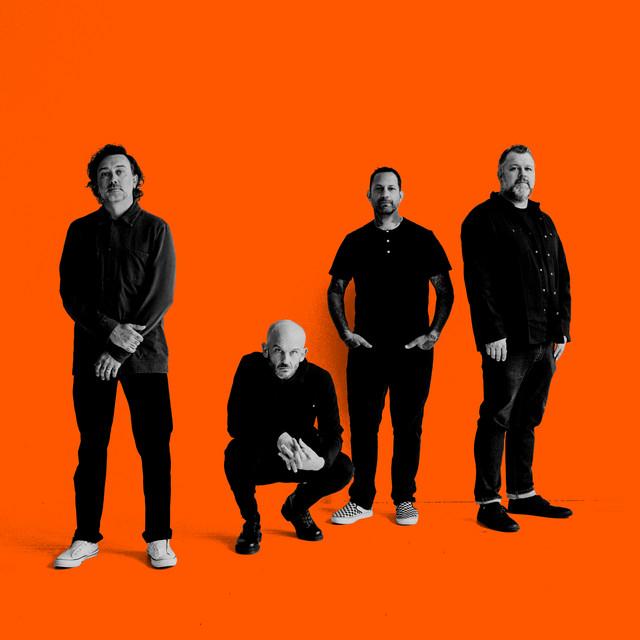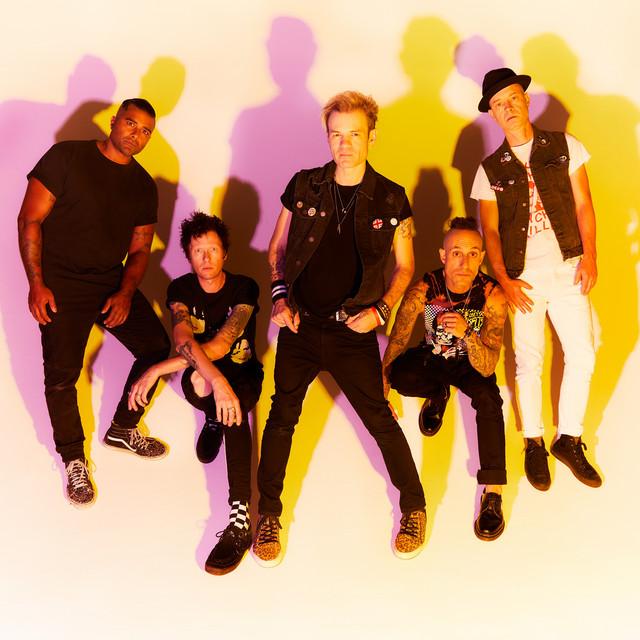
Sum 41

Punk
Punk Rock
Pop Punk
 Viberate Rank: 1400
 Viberate Rank: 1400
 Monthly ListenersFollowers
 Subscribers
 Followers
 Followers
 FansTop Spotify Songs
| Track | 7-Day Streams | |
|---|---|---|
1 | 1.94M | |
2 | 1.42M | |
3 | 1.42M | |
4 | 885.64K | |
5 | 741.02K |
Top YouTube Videos| Video | 7-Day Views | |
|---|---|---|
1 | 798.18K | |
2 | 398.27K | |
3 | 205.07K | |
4 | 178.56K | |
5 | 136.87K |
Monthly ListenersFeatured in Playlists| Playlist | Followers | |
|---|---|---|
1 |  00s Rock Anthems Spotify | 6.20M |
2 |  Guilty Pleasures Spotify | 3.39M |
3 |  Pure Pop Punk Spotify | 2.99M |
4 |  Rock Party Spotify | 2.78M |
5 |  Born To Run Spotify | 2.00M |
Audience| City | Monthly Listeners | |
|---|---|---|
1 |  | 144.80K |
2 |  | 130.97K |
3 | | 125.80K |
4 | | 124.26K |
5 | | 118.66K |
See full performance history, audience data, playlist activity, rankings, comparisons, and more in Viberate music analytics. Start with a free trial, then continue with a paid plan.
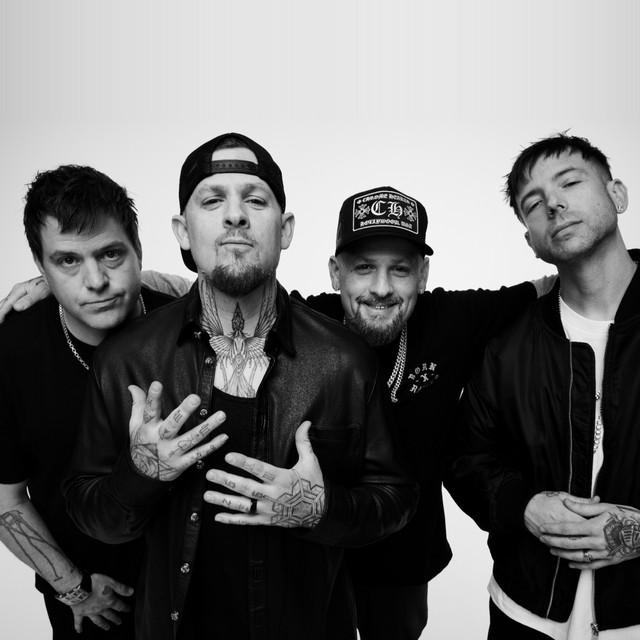
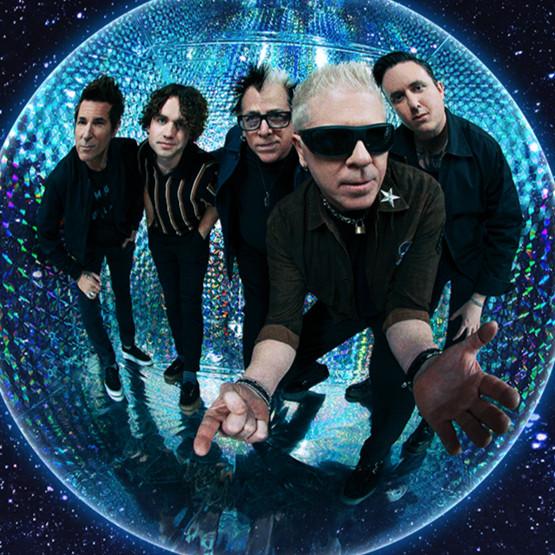
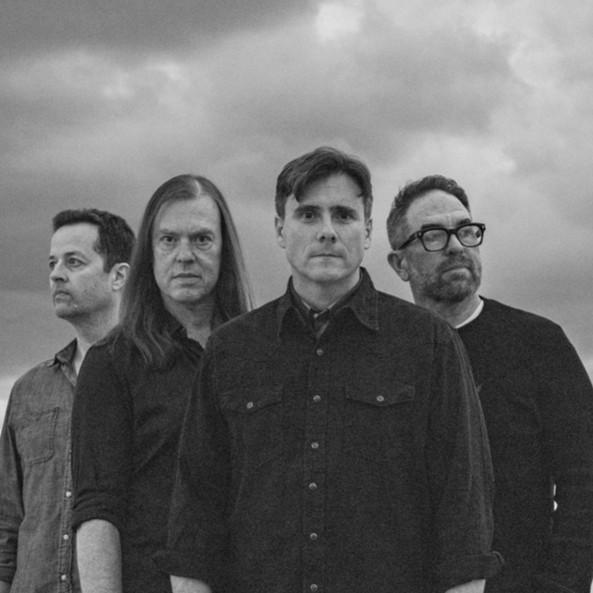
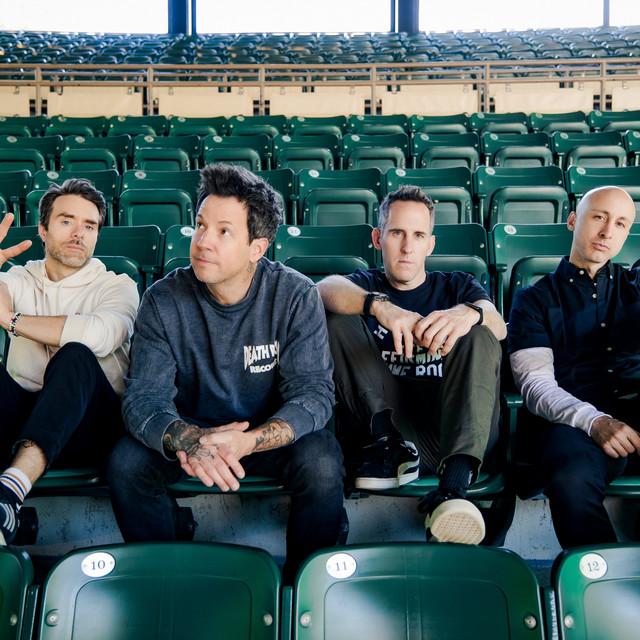
Sum 41’s Spotify BioJuno Award-winning Canadian rock outfit Sum 41 balances energetic pop-punk and thrashing metal, a sound evolved over the decades as the once-playful crew grew into hardened scene elders. They hit the worldwide radar in 1996 after their hometown of Ajax, Ontario, proved unable to fully contain the foursome's early mixture of arena-sized riffing, hip-hop poses, and crass humor. Their breakthrough major-label debut, 2001's All Killer No Filler, featured the chart-topping MTV hit "Fat Lip" and its follow-up "In Too Deep." From there, the band's mischievous pop-punk style was steadily hardened with darker, world-weary lyrics and a heavier, metal-inspired attack. By the time their double-platinum third effort, Chuck, landed in 2004, the band's metallic tendencies were at the fore. Lineup changes and health problems sidelined the band in the 2010s, but they made a successful comeback with the well-received 13 Voices (2016) and Order in Decline (2019). In 2023, Sum 41 announced they would… officially disband after touring to support their 2024 double LP Heaven :x: Hell.
In addition to vocalist/guitarist Whibley, the band also originally included guitarist/vocalist Dave Baksh, bassist Cone McCaslin, and drummer Steve Jocz. Wooed by the boys' goofy antics and incendiary live show (and excited about the prospect of promoting their very own blink-182), Island put Sum 41 on the payroll in 1999. The Half Hour of Power EP followed, and Warped Tour dates put the word out. They returned in 2000 with the fun-filled full-length All Killer No Filler, and the singles "In Too Deep" and "Fat Lip" became staples of both modern rock radio and Total Request Live. An extensive tour followed, and Sum 41 enjoyed their success the way all near-teenage boys would, with plenty of towel-snapping, groupie-loving, and self-deprecating low-ball humor. In 2002, they returned to wax with Does This Look Infected? While the album was a bit harder-edged, it found the band as excited as ever to mix punk-pop business with sophomoric pleasure: The video for "Hell Song" featured the guys acting out a sort of rock-star, debauched cage match with the aid of a few celebrity action figures. Metallica, Jesus Christ, and the Osbournes all made appearances in the hilarious clip.
It was not all fun and games, however, as Sum 41 was involved with the charity group War Child Canada, and the helped make a 2004 documentary covering the effects of war in the Democratic Republic of the Congo. Five days into filming, fighting and gunfire suddenly erupted around them, and they barely escaped -- these events led to 2004's slightly more mature and serious effort, Chuck, named for the UN aid worker, Chuck Pelletier, who was instrumental in getting them to safety. The DVD Rocked: Sum 41 in Congo was released at the end of 2005, and the live album Go Chuck Yourself appeared the following March.
Guitarist Dave Baksh left the band during the spring of 2006 due to creative differences, going on to form the metal-punk outfit Brown Brigade. Sum 41 continued as a trio, and their first album as such, Underclass Hero, appeared in July 2007. They eventually returned to being a quartet, replacing Baksh with guitarist Tom Thacker, and began to work on a new album. Screaming Bloody Murder appeared in March 2011. "Blood in My Eyes," a single from the album, was nominated for a Grammy that year. However, due to a series of back injuries for Whibley (and other issues that would soon come to light), Sum 41 would not return with new material for half a decade, despite their critical success.
During the break, Jocz left the band and was replaced by Street Drum Corps' Frank Zummo. Baksh also returned to the fold just in time for Sum 41's comeback in 2016. The group signed with Hopeless Records and embarked on an international tour that included stops in China and a stint on that summer's Warped Tour. Their sixth LP, 13 Voices, featured the lead single "Fake My Own Death" and became their third highest-charting release in their native Canada, peaking just outside the Top 20 in the U.S. During promotion for the album, Whibley revealed that he had been in an alcohol-related induced coma during the band's hiatus in 2014. While recovery included learning to walk and play guitar again, Whibley contributed a large part of his healing to the writing process of 13 Voices. To coincide with the album's release, the band embarked on an international tour dubbed "Don't Call It a Sum-Back."
After setting out on another trek to celebrate the 15th anniversary of their breakthrough, they returned to the studio. Their seventh set, Order in Decline, arrived in the summer of 2019. Intensely political and pulling no punches with their message, the album included the tracks "Out for Blood," "45 (A Matter of Time)," and "The New Sensation," borrowing from Linkin Park, Bad Religion, and even Muse on a series of rallying cries aimed at waking up a society on the brink of moral collapse. In 2022, the band announced that their next album, the sprawling double LP Heaven :x: Hell, would be evenly split between nostalgic pop-punk and metal. It would also be their last album, as Sum 41 would officially cease operations following an international tour supporting the effort. "Landmines," the first single from the release, appeared in 2023; following "Rise Up" and "Waiting on a Twist of Fate," the album landed in March 2024. ~ Johnny Loftus & Neil Z. Yeung, Rovi
Viberate is a music analytics platform built for A&Rs, artist managers, labels, booking agents, marketers, and artists.
It helps music professionals track artist growth, analyze audience data, monitor playlist activity, compare artists, follow song performance, and identify opportunities across the music market.
Public artist pages provide a free preview of selected artist data. Paid plans provide access to deeper analytics, historical data, charts, comparisons, playlist tools, exports, alerts, reports, and additional professional features.
Yes. Public Viberate artist pages provide selected artist analytics and music data for free.
Viberate also offers a 7-day free trial of the full platform. A credit card is required to start the trial. The trial includes access to the complete product so users can test deeper artist analytics, historical views, playlist insights, comparisons, charts, exports, alerts, and reporting features before choosing a paid plan.
Viberate provides artist analytics across streaming, playlists, social media, video, radio airplay, songs, and audience markets.
Users can analyze Spotify performance, Spotify and Apple Music playlists, YouTube activity, TikTok and Instagram growth, radio spins, song performance, audience locations, demographics, rankings, and overall artist momentum.
Artist profiles also connect to music charts, similar artists, and comparison tools, helping users benchmark performance and evaluate artists in context.
Viberate updates key artist and track data daily.
For followed artists and tracks, selected data is refreshed multiple times per day. This helps teams monitor playlist changes, streaming movement, audience growth, releases, and campaign performance with more current data.
Update frequency can vary depending on the metric and data source.
Yes. Viberate lets users compare up to five artists side by side across streaming, social media, audience, and engagement metrics.
Users can compare fanbase growth, audience demographics, locations, Spotify performance, social metrics, and other artist data over selected time periods.
Artist comparison can be used for A&R scouting, benchmarking, booking decisions, campaign planning, and evaluating artists with similar audiences or market positions.