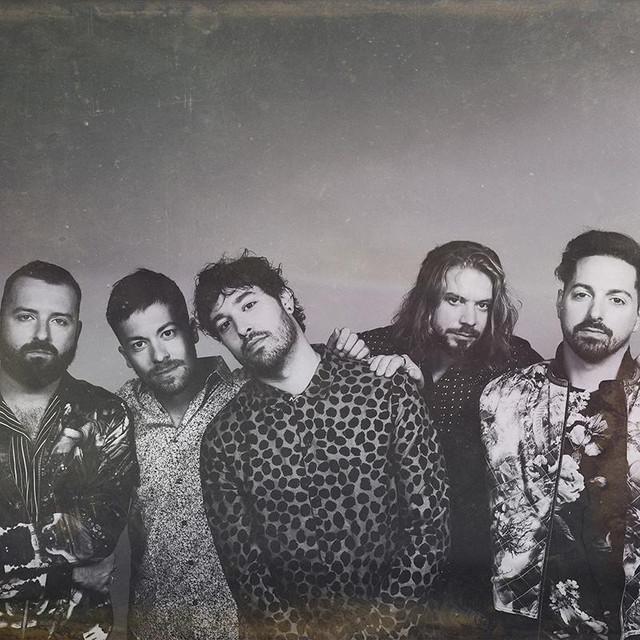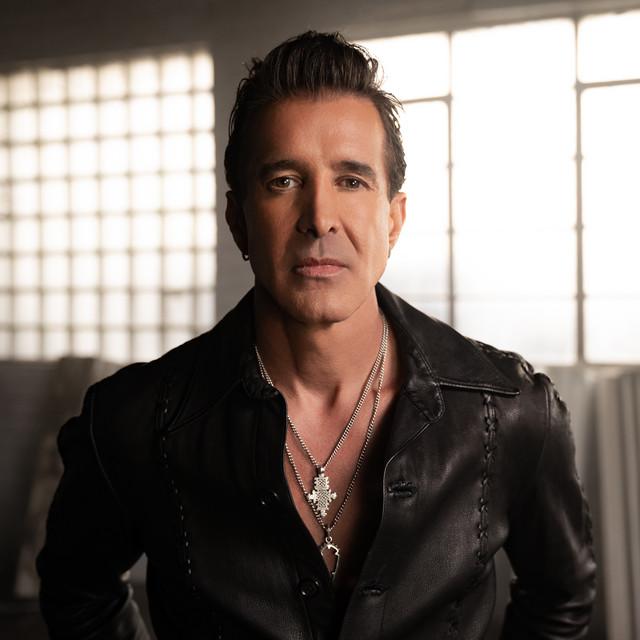
Sully Erna

Metal
Alternative Metal
Folk Rock
Heavy Metal
 Viberate Rank: 23390
 Viberate Rank: 23390
 Monthly ListenersFollowers
 Subscribers
 Followers
 Followers
 FansTop Spotify Songs
| Track | 7-Day Streams | |
|---|---|---|
1 | 65.16K | |
2 | 38.21K | |
3 | 28.79K | |
4 | 14.44K | |
5 | 13.07K |
Top YouTube Videos| Video | 7-Day Views | |
|---|---|---|
1 | 331.56K | |
2 | 181.76K | |
3 | 63.81K | |
4 | 46.53K | |
5 | 24.19K |
Monthly ListenersFeatured in Playlists| Playlist | Followers | |
|---|---|---|
1 |  Pure Rock & Roll Spotify | 2.03M |
2 |  Country Rocks Spotify | 685.03K |
3 |  This Is Godsmack Spotify | 132.44K |
4 |  METAL GYM WORKOUT PLAYLIST Austin | 94.11K |
5 |  Hard Rock Workout Better Noise Music | 60.80K |
Audience| City | Monthly Listeners | |
|---|---|---|
1 |  | 1.52K |
2 |  | 1.27K |
3 | | 1.15K |
4 | | 1.10K |
5 | | 1.10K |
See full performance history, audience data, playlist activity, rankings, comparisons, and more in Viberate music analytics. Start with a free trial, then continue with a paid plan.
Sully Erna’s Spotify BioBorn Salvatore Paul Erna, Sully Erna is best known as the singer for the multi-platinum-selling post-grunge band Godsmack. Hailing from Lawrence, Massachusetts, Erna developed an interest in music at an early age thanks to his father, also named Salvatore Erna, who played trumpet. Erna initially started as a drummer at just three years old, and by 11 had already begun to shun sheet music, opting instead to play by ear. His first big break came in 1993 when he signed his first record deal with his band Strip Mind. The band broke up soon afterwards, but just a few years later Erna would catch another big break. Wanting to make the switch from drums to vocals, he formed the Alice in Chains-loving Godsmack in 1995. Just three years later, the band released its self-titled debut, which went quadruple platinum and rocketed Erna and Godsmack to rock stardom.
Being a rock star wasn't the only thing on Erna’s plate, however. Aside from being a multi-instrumentalist, Erna is also an accomplished… poker player, competing in the 2006 and 2007 World Series of Poker, managing to be the last of the celebrity contestants in both appearances and placing 237th out of a field of over 6,000 players in the 2007 WSOP. The singer also released his memoir, The Paths We Choose, in 2007. The book chronicles the frontman’s life right up until Godsmack earned their record deal.
Despite heavy touring and recording with his day job, Erna also found the time to write and record a solo album. In 2010 he released Avalon on Universal Republic. Avalon Live followed in 2012, along with a limited-edition box set that included a documentary and other collectibles. After a pair of Godsmack releases, Erna once again took a break from the band for another solo project. Hometown Life arrived in late 2016. ~ Gregory Heaney, Rovi
Viberate is a music analytics platform built for A&Rs, artist managers, labels, booking agents, marketers, and artists.
It helps music professionals track artist growth, analyze audience data, monitor playlist activity, compare artists, follow song performance, and identify opportunities across the music market.
Public artist pages provide a free preview of selected artist data. Paid plans provide access to deeper analytics, historical data, charts, comparisons, playlist tools, exports, alerts, reports, and additional professional features.
Yes. Public Viberate artist pages provide selected artist analytics and music data for free.
Viberate also offers a 7-day free trial of the full platform. A credit card is required to start the trial. The trial includes access to the complete product so users can test deeper artist analytics, historical views, playlist insights, comparisons, charts, exports, alerts, and reporting features before choosing a paid plan.
Viberate provides artist analytics across streaming, playlists, social media, video, radio airplay, songs, and audience markets.
Users can analyze Spotify performance, Spotify and Apple Music playlists, YouTube activity, TikTok and Instagram growth, radio spins, song performance, audience locations, demographics, rankings, and overall artist momentum.
Artist profiles also connect to music charts, similar artists, and comparison tools, helping users benchmark performance and evaluate artists in context.
Viberate updates key artist and track data daily.
For followed artists and tracks, selected data is refreshed multiple times per day. This helps teams monitor playlist changes, streaming movement, audience growth, releases, and campaign performance with more current data.
Update frequency can vary depending on the metric and data source.
Yes. Viberate lets users compare up to five artists side by side across streaming, social media, audience, and engagement metrics.
Users can compare fanbase growth, audience demographics, locations, Spotify performance, social metrics, and other artist data over selected time periods.
Artist comparison can be used for A&R scouting, benchmarking, booking decisions, campaign planning, and evaluating artists with similar audiences or market positions.