Suicide For A King

Metal
Metalcore/Deathcore
Alternative Metal
 Viberate Rank: 491310
 Viberate Rank: 491310
 Monthly ListenersFollowers
 Subscribers
 Followers
 Followers
 FansTop Spotify Songs
| Track | 7-Day Streams | |
|---|---|---|
1 | 24 | |
2 | 12 | |
3 | 8 | |
4 | 2 | |
5 | 2 |
Top YouTube VideosMonthly ListenersFeatured in Playlists| Playlist | Followers | |
|---|---|---|
1 |  Metalcore / Screamo / Postcore / Hardcore Lorenzo Bondioni | 67.06K |
2 |  WORKOUT ROCK & METAL errant_fool | 3.72K |
3 |  R U Rock? 6 Strings are not enough Asia | 1.02K |
Audience| City | Monthly Listeners | |
|---|---|---|
1 | | 8 |
2 |  | 4 |
3 |  | 3 |
See full performance history, audience data, playlist activity, rankings, comparisons, and more in Viberate music analytics. Start with a free trial, then continue with a paid plan.
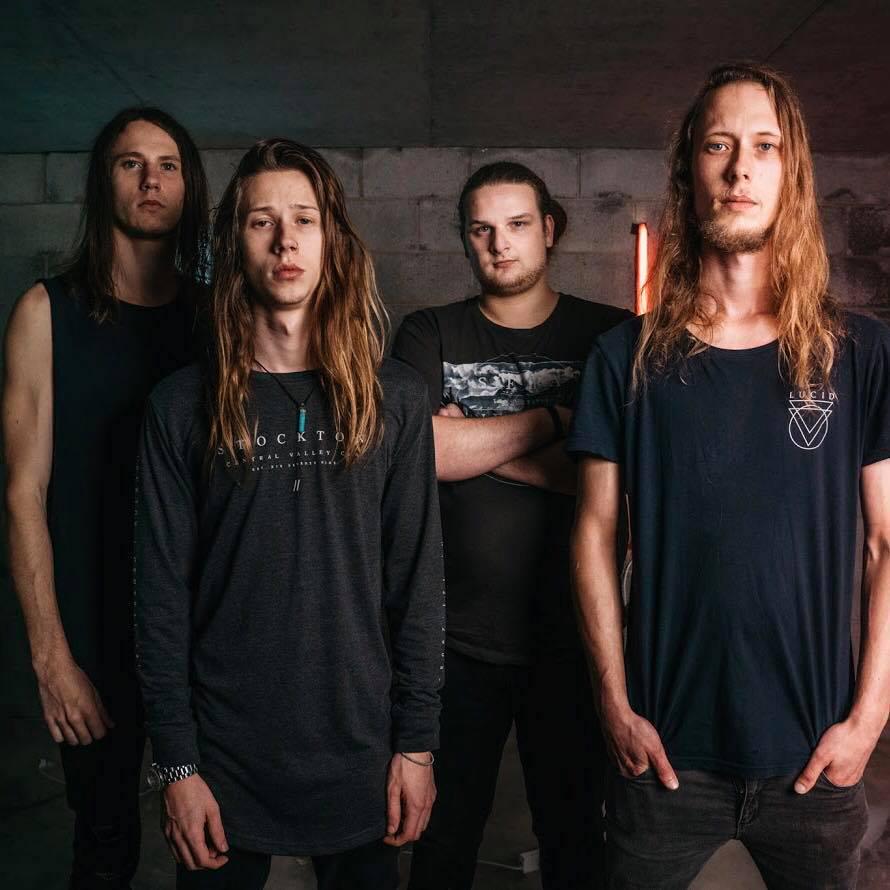
Suicide For A King’s Spotify BioOn a cold canadian evening, Frederik De Celles was playing chess with his friend. After sacrificing one of his piece to save his king, he said with his french accent: “Suicide For A King..!” And thought that.. that’d be a great band name!
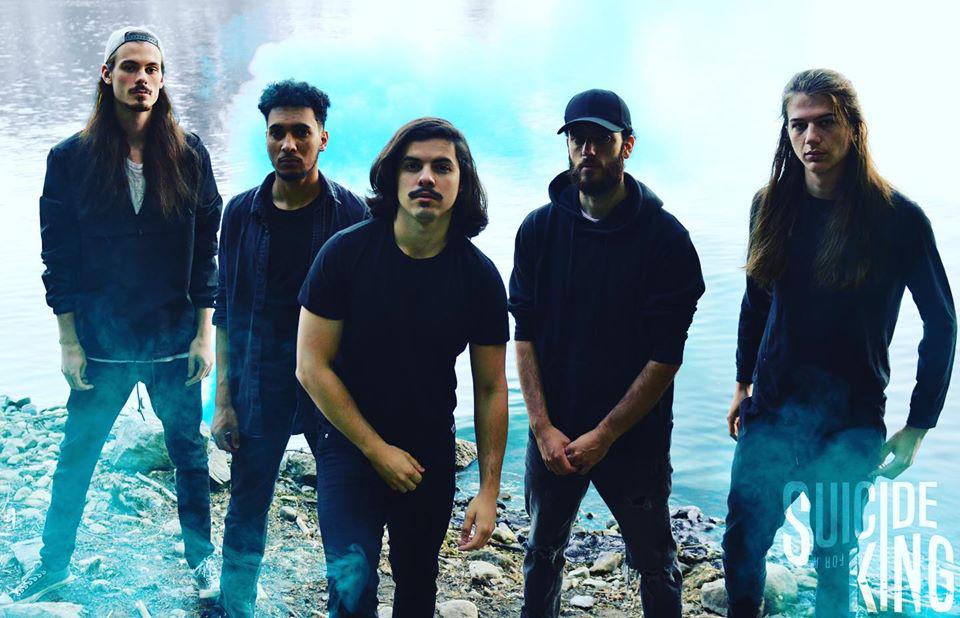
Couple years later, Fred decided to found his own: Suicide For A King. He met Lead Guitarist Raphaël Stooke while not only looking for a new guitarist but also someone that knew more than him about music and could help him with his instrument. They also convinced Emile-Loup Gravel and Vincent Henri from Jazz Music school to join their Metalcore band project.
In 2019, Fred found Jay Rodriguez on Craigslist. Jay was an emo kid and his voice would become the last element that brought together the sound of Suicide For A King, a nostalgic emo voice mixed with heavy and groovy riffs.
They released their first EP Ocean Within that year and since then, SFAK hasn’t stopped working. They’re one of those bands that took this pandemic and used it to bring their… content to new levels: new songs, funny sketches for their fans, Twitch nights..They’re now working on their 3rd single of the year; “Enemy” which is set to release April 2nd.
SFAK has performed with some of the biggest names of the scene: Blessthefall, Silent Planet, Currents, Escape the fate. Their live performances will leave you smarter, since you'll be able to pronounce a couple french words but also amazed by the raw and pure energy displayed by these 5 french-canadian boys!
Viberate is a music analytics platform built for A&Rs, artist managers, labels, booking agents, marketers, and artists.
It helps music professionals track artist growth, analyze audience data, monitor playlist activity, compare artists, follow song performance, and identify opportunities across the music market.
Public artist pages provide a free preview of selected artist data. Paid plans provide access to deeper analytics, historical data, charts, comparisons, playlist tools, exports, alerts, reports, and additional professional features.
Yes. Public Viberate artist pages provide selected artist analytics and music data for free.
Viberate also offers a 7-day free trial of the full platform. A credit card is required to start the trial. The trial includes access to the complete product so users can test deeper artist analytics, historical views, playlist insights, comparisons, charts, exports, alerts, and reporting features before choosing a paid plan.
Viberate provides artist analytics across streaming, playlists, social media, video, radio airplay, songs, and audience markets.
Users can analyze Spotify performance, Spotify and Apple Music playlists, YouTube activity, TikTok and Instagram growth, radio spins, song performance, audience locations, demographics, rankings, and overall artist momentum.
Artist profiles also connect to music charts, similar artists, and comparison tools, helping users benchmark performance and evaluate artists in context.
Viberate updates key artist and track data daily.
For followed artists and tracks, selected data is refreshed multiple times per day. This helps teams monitor playlist changes, streaming movement, audience growth, releases, and campaign performance with more current data.
Update frequency can vary depending on the metric and data source.
Yes. Viberate lets users compare up to five artists side by side across streaming, social media, audience, and engagement metrics.
Users can compare fanbase growth, audience demographics, locations, Spotify performance, social metrics, and other artist data over selected time periods.
Artist comparison can be used for A&R scouting, benchmarking, booking decisions, campaign planning, and evaluating artists with similar audiences or market positions.