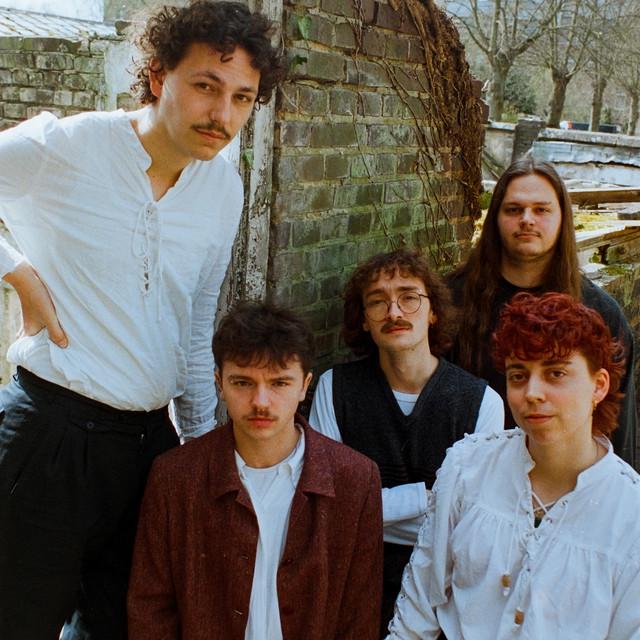
Sugarbunny

Pop
Indie Pop
 Viberate Rank: 753140
 Viberate Rank: 753140
 Monthly ListenersFollowers
 Subscribers
 Followers
 Followers
 FansTop Spotify Songs
| Track | 7-Day Streams | |
|---|---|---|
1 | 43 | |
2 | 24 | |
3 | 16 | |
4 | 10 | |
5 | 9 |
Top YouTube VideosMonthly ListenersFeatured in Playlists| Playlist | Followers | |
|---|---|---|
1 |  Night Alternative Daniel Amos | 4.09K |
2 |  Slacker Station - WILLY Willy - Music Matters | 1.18K |
Audience| City | Monthly Listeners | |
|---|---|---|
1 | | 17 |
2 | | 8 |
3 |  | 3 |
4 | | 3 |
See full performance history, audience data, playlist activity, rankings, comparisons, and more in Viberate music analytics. Start with a free trial, then continue with a paid plan.
Sugarbunny’s Spotify BioThis bunny is playful,
Looking for connection and seeking soul.
Without sugarcoating,
writing with courage, love, and grit.
Sugarbunny, the new band of singer Hannah Vandenbussche (Rumours),
has the idiosyncratic sound of an alternative post punkband
-melancholic, raw and unapologetic.
Hannah surrounds herself with the very best. To start with, there is bassist Mirko Banovic (Arno, Arsenal, PJDS, ...), on the drums we see Joris Casier (STAKE, Raveyards) and guitarist Jasper Morel (Black Box Revelation) completes the genre fluid band.
Sugarbunny creates a unique sound with a great sense of songwriting. Even with an exciting contrast between theatrical melodies and a brutal, menacing rhythm section, the band remains: less is more. Sugarbunny is the blues but not the genre. The blues as
something that touches you, right in your soul. Something with its own sound, averse to those genre boxes.
Echoes of Siouxsie Sioux and Beth Gibbons resonate in the emotional gravity of the music — voice-led,… intense, and steeped in shadow. Hannah’s voice and theatrical presence sometimes flicker with the wild emotional range of Björk’s early Sugarcubes era, where fragility and ferocity exist side by side.
In the run-up to their debut EP, Shadowlands, Sugarbunny released their first songs: The hypnotic “Sun”, the honest and compelling “Into The Mad” and “Not Nothing”.
Viberate is a music analytics platform built for A&Rs, artist managers, labels, booking agents, marketers, and artists.
It helps music professionals track artist growth, analyze audience data, monitor playlist activity, compare artists, follow song performance, and identify opportunities across the music market.
Public artist pages provide a free preview of selected artist data. Paid plans provide access to deeper analytics, historical data, charts, comparisons, playlist tools, exports, alerts, reports, and additional professional features.
Yes. Public Viberate artist pages provide selected artist analytics and music data for free.
Viberate also offers a 7-day free trial of the full platform. A credit card is required to start the trial. The trial includes access to the complete product so users can test deeper artist analytics, historical views, playlist insights, comparisons, charts, exports, alerts, and reporting features before choosing a paid plan.
Viberate provides artist analytics across streaming, playlists, social media, video, radio airplay, songs, and audience markets.
Users can analyze Spotify performance, Spotify and Apple Music playlists, YouTube activity, TikTok and Instagram growth, radio spins, song performance, audience locations, demographics, rankings, and overall artist momentum.
Artist profiles also connect to music charts, similar artists, and comparison tools, helping users benchmark performance and evaluate artists in context.
Viberate updates key artist and track data daily.
For followed artists and tracks, selected data is refreshed multiple times per day. This helps teams monitor playlist changes, streaming movement, audience growth, releases, and campaign performance with more current data.
Update frequency can vary depending on the metric and data source.
Yes. Viberate lets users compare up to five artists side by side across streaming, social media, audience, and engagement metrics.
Users can compare fanbase growth, audience demographics, locations, Spotify performance, social metrics, and other artist data over selected time periods.
Artist comparison can be used for A&R scouting, benchmarking, booking decisions, campaign planning, and evaluating artists with similar audiences or market positions.