Sufferer

Rock
Hard Rock
Post Hardcore
 Viberate Rank: 263452
 Viberate Rank: 263452
 Monthly ListenersFollowers
 Subscribers
 Followers
 Followers
 FansTop YouTube VideosMonthly ListenersFeatured in Playlists
| Playlist | Followers | |
|---|---|---|
1 |  God of Pain Rina Kent | 14.26K |
2 | swancore bangers ranjeto | 12.73K |
3 |  Heavy music for an easy day Oleksa drums | 11.14K |
4 | Rock Luisa | 8.54K |
5 | Sad Boii Hour linksgroupie | 5.08K |
Audience| City | Monthly Listeners | |
|---|---|---|
1 | | 190 |
2 | | 157 |
3 | | 143 |
4 | | 128 |
5 | | 127 |
See full performance history, audience data, playlist activity, rankings, comparisons, and more in Viberate music analytics. Start with a free trial, then continue with a paid plan.
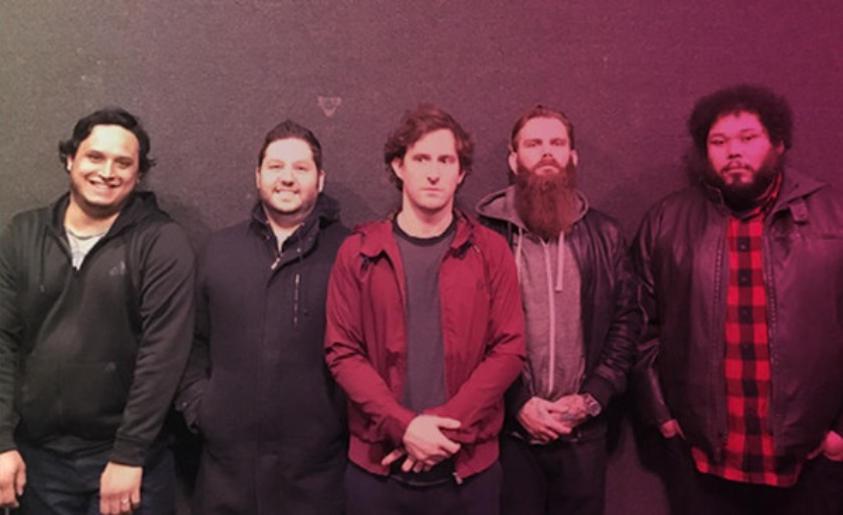
Sufferer’s Spotify BioComprised of members from A Lot Like Birds, Hail The Sun, and I The Mighty, Sufferer is a "heavy" band, but only as heavy as the subject material; the band's self-titled release details a day in the life of a Sufferer, from his panic immediately upon waking to the moment his brain finally shuts off at the end of his day. To help guide the narrative, three vocalists (portraying the Subject, his Anxiety, and his Depression) are heard screaming over each other, arguing for control, and at other times singing through moments of helpless soliloquy.
While the combination of members classifies the band as a "side project," they've been careful not to sound too much like any of their respective bands. Shane Gann (Hail The Sun), who initiated the project/wrote all the music, recruited the others due to their multi-faceted artistic abilities. Cory Lockwood (A Lot Like Birds) led the lyrical direction, utilizing his English degree to craft a narrative that reads more like a script than a story,… conveying the message that a single individual can have multiple opposing viewpoints, often simultaneously. Forrest Wright portrays the voice of the Sufferer himself, and designed all the art throughout the entire album. These three agitated voices, in conjunction with aggressive guitars and Blake Dahlinger's (I The Mighty) powerful drum beats, fuse naturally into something uncomfortable, but familiar.
35% of proceeds go directly to the Anxiety and Depression Association of America.
Viberate is a music analytics platform built for A&Rs, artist managers, labels, booking agents, marketers, and artists.
It helps music professionals track artist growth, analyze audience data, monitor playlist activity, compare artists, follow song performance, and identify opportunities across the music market.
Public artist pages provide a free preview of selected artist data. Paid plans provide access to deeper analytics, historical data, charts, comparisons, playlist tools, exports, alerts, reports, and additional professional features.
Yes. Public Viberate artist pages provide selected artist analytics and music data for free.
Viberate also offers a 7-day free trial of the full platform. A credit card is required to start the trial. The trial includes access to the complete product so users can test deeper artist analytics, historical views, playlist insights, comparisons, charts, exports, alerts, and reporting features before choosing a paid plan.
Viberate provides artist analytics across streaming, playlists, social media, video, radio airplay, songs, and audience markets.
Users can analyze Spotify performance, Spotify and Apple Music playlists, YouTube activity, TikTok and Instagram growth, radio spins, song performance, audience locations, demographics, rankings, and overall artist momentum.
Artist profiles also connect to music charts, similar artists, and comparison tools, helping users benchmark performance and evaluate artists in context.
Viberate updates key artist and track data daily.
For followed artists and tracks, selected data is refreshed multiple times per day. This helps teams monitor playlist changes, streaming movement, audience growth, releases, and campaign performance with more current data.
Update frequency can vary depending on the metric and data source.
Yes. Viberate lets users compare up to five artists side by side across streaming, social media, audience, and engagement metrics.
Users can compare fanbase growth, audience demographics, locations, Spotify performance, social metrics, and other artist data over selected time periods.
Artist comparison can be used for A&R scouting, benchmarking, booking decisions, campaign planning, and evaluating artists with similar audiences or market positions.