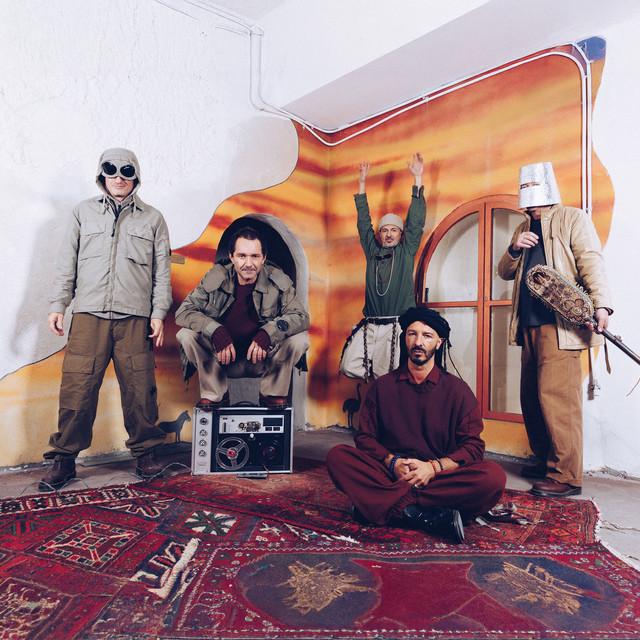
Subsonica

Rock
Alternative Rock
Mainstream Pop
 Viberate Rank: 22834
 Viberate Rank: 22834
 Monthly ListenersFollowers
 Subscribers
 Followers
 Followers
 FansTop Spotify Songs
| Track | 7-Day Streams | |
|---|---|---|
1 | 48.95K | |
2 | 34.05K | |
3 | 33.61K | |
4 | 26.00K | |
5 | 23.38K |
Top YouTube Videos| Video | 7-Day Views | |
|---|---|---|
1 | 18.06K | |
2 | 9.18K | |
3 | 8.09K | |
4 | 5.48K | |
5 | 5.18K |
Monthly ListenersFeatured in Playlists| Playlist | Followers | |
|---|---|---|
1 |  Anni 90 Spotify | 312.66K |
2 |  Anni 00 Spotify | 219.05K |
3 |  Sanremo: La Storia Spotify | 102.97K |
4 | GRUNGE zerubi | 80.90K |
5 |  This Is Franco Battiato Spotify | 68.60K |
Audience| City | Monthly Listeners | |
|---|---|---|
1 | | 30.30K |
2 | | 22.14K |
3 | | 15.47K |
4 | | 14.97K |
5 | | 9.56K |
See full performance history, audience data, playlist activity, rankings, comparisons, and more in Viberate music analytics. Start with a free trial, then continue with a paid plan.
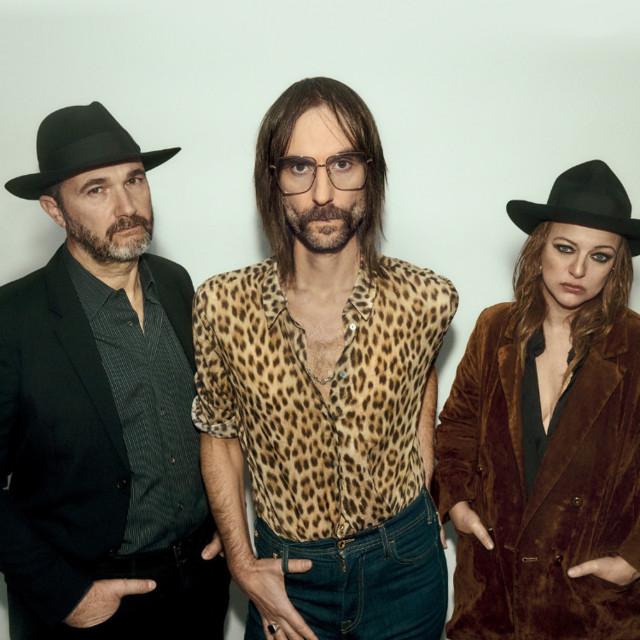
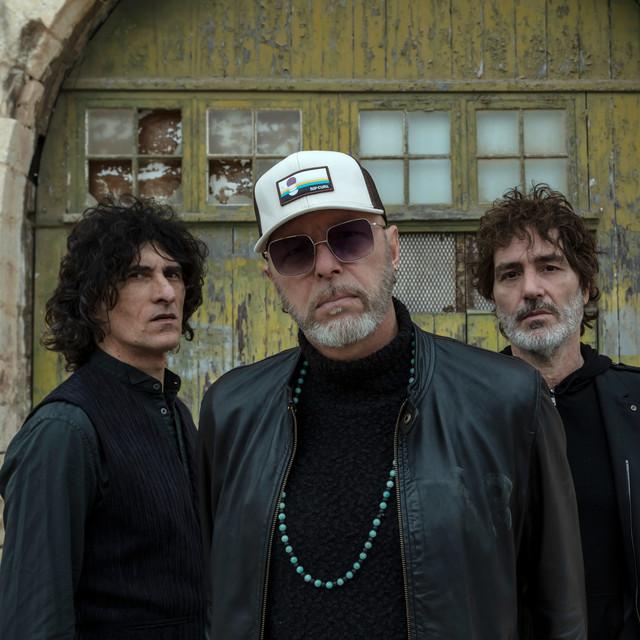
Subsonica’s Spotify BioThe most important act to emerge from the Italian underground in the second half of the 1990s, Subsonica succeeded in reaching a mainstream audience without giving up anything of their artistic personality. Mixing dance, electronica, and pop/rock in an immediately recognizable blend, in many ways they represented at best the contemporary Turin scene, an extremely vital mixture of different races, styles, and rhythms born and grown up around the clubs (and the streets) of the Murazzi area. Besides, their constant attention to the visual and technological aspects of their music and image, from the videos to their Internet pages, made them an example for many multimedia Y2K bands.
Having just left the reggae outfit Africa Unite, in 1996 guitarist and producer Massimiliano "C-Max" Casacci joined forces with singer Samuel Romano and keyboardist Davide "Boosta" di Leo -- both former members of Gli Amici di Roland, a band famous for its cover of cartoon themes -- to form the core of Subsonica.… After completing the lineup with Pierpaolo "Pierfunk" Peretti Griva on bass and Enrico "Ninja" Matta on drums, they published their first album, Subsonica, in 1997. Being both groove and melody-oriented, the records met the favors of both indie rock and electronica fans, and turned out to be a small success. The collaboration with former Matia Bazar singer Antonella Ruggiero (on her 1997 long-player Registrazioni Moderne) is the prelude to the second Subsonica record, Microchip Emozionale, released in 1999, with guests such as Daniele Silvestri, Bluvertigo's Marco "Morgan" Castoldi, and superstar DJ Claudio Coccoluto. With the new bass player Luca "Bass Vicio" Vicini, the band took part in the 2000 edition of the Sanremo Music Festival, the temple of the most traditional -- and, some say, reactionary -- Italian melodic tradition. It was a move that shocked many of the most hardcore fans, but in the end turned out to be extremely well-planned: "Tutti i Miei Sbagli," the song they presented at the competition, an archetypical Subsonica composition, captured the interest of both the public and the mainstream media, who transformed it into an immediate hit, while Microchip Emozionale, re-released to include it, was voted Best Italian Album at the same year's MTV European Music Awards.
In 2001 Romano, Pierfunk, and DJ Pisti formed Motel Connection, a more dance-oriented project whose first release was the soundtrack to Marco Ponti's Santa Maradona. Subsonica returned in 2002 with Amorematico, followed one year on by the double live CD Controllo del Livello di Rombo, which sums up and closes the first part of the career of the band. In the meantime, Romano was also co-responsible with Marelene Kuntz's Dan Solo for the multimedia project Pornodrome and of the DVD of the same title, while Boosta alternated the jobs of DJ and writer, and released in 2004 his solo debut, Iconoclash, and Casacci worked as a producer for Italian bands such as Dr. Livingstone, Mau Mau, Fratelli di Soledad, Mambassa, and Disco Drive.
After a tumultuous split with their former label, Mescal, Subsonica signed with Virgin and between 2005 and 2006 released Terrestre and Terrestre Live e Varie Altre Disfunzioni, the latter a double-disc set including a live CD and a collection of covers and acoustic renditions of older songs of the band. In the meantime, Casacci had started a record label, Casasonica (from the name of Subsonica's studios in Turin). ~ Aurelio Pasini, Rovi
Viberate is a music analytics platform built for A&Rs, artist managers, labels, booking agents, marketers, and artists.
It helps music professionals track artist growth, analyze audience data, monitor playlist activity, compare artists, follow song performance, and identify opportunities across the music market.
Public artist pages provide a free preview of selected artist data. Paid plans provide access to deeper analytics, historical data, charts, comparisons, playlist tools, exports, alerts, reports, and additional professional features.
Yes. Public Viberate artist pages provide selected artist analytics and music data for free.
Viberate also offers a 7-day free trial of the full platform. A credit card is required to start the trial. The trial includes access to the complete product so users can test deeper artist analytics, historical views, playlist insights, comparisons, charts, exports, alerts, and reporting features before choosing a paid plan.
Viberate provides artist analytics across streaming, playlists, social media, video, radio airplay, songs, and audience markets.
Users can analyze Spotify performance, Spotify and Apple Music playlists, YouTube activity, TikTok and Instagram growth, radio spins, song performance, audience locations, demographics, rankings, and overall artist momentum.
Artist profiles also connect to music charts, similar artists, and comparison tools, helping users benchmark performance and evaluate artists in context.
Viberate updates key artist and track data daily.
For followed artists and tracks, selected data is refreshed multiple times per day. This helps teams monitor playlist changes, streaming movement, audience growth, releases, and campaign performance with more current data.
Update frequency can vary depending on the metric and data source.
Yes. Viberate lets users compare up to five artists side by side across streaming, social media, audience, and engagement metrics.
Users can compare fanbase growth, audience demographics, locations, Spotify performance, social metrics, and other artist data over selected time periods.
Artist comparison can be used for A&R scouting, benchmarking, booking decisions, campaign planning, and evaluating artists with similar audiences or market positions.