Subliminal Fear

Metal
Death Metal
 Viberate Rank: 361879
 Viberate Rank: 361879
 Monthly ListenersFollowers
 Subscribers
 Followers
 Followers
 FansTop Spotify Songs
| Track | 7-Day Streams | |
|---|---|---|
1 | 56 | |
2 | 55 | |
3 | 44 | |
4 | 28 | |
5 | 25 |
Top YouTube VideosMonthly ListenersFeatured in Playlists| Playlist | Followers | |
|---|---|---|
1 | 🦴Melodic Metalcore🦴 Jan Tore Hylland | 7.62K |
2 | Stanislav Gusakov | 6.03K |
3 |  The Sound of Cyber Metal The Sounds of Spotify | 1.09K |
Audience| City | Monthly Listeners | |
|---|---|---|
1 |  | 5 |
2 |  | 4 |
3 |  | 4 |
4 | | 4 |
5 | | 4 |
See full performance history, audience data, playlist activity, rankings, comparisons, and more in Viberate music analytics. Start with a free trial, then continue with a paid plan.
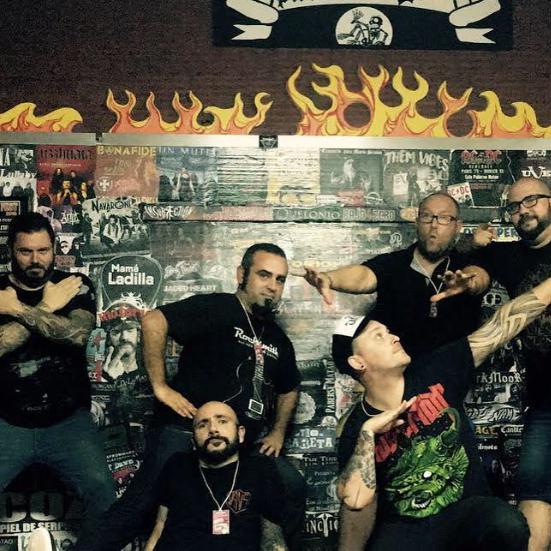
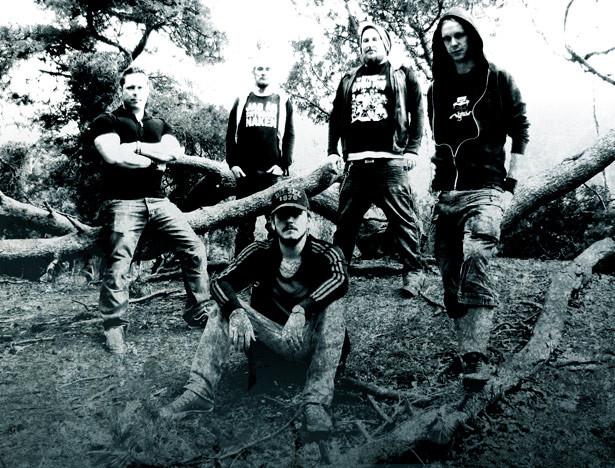
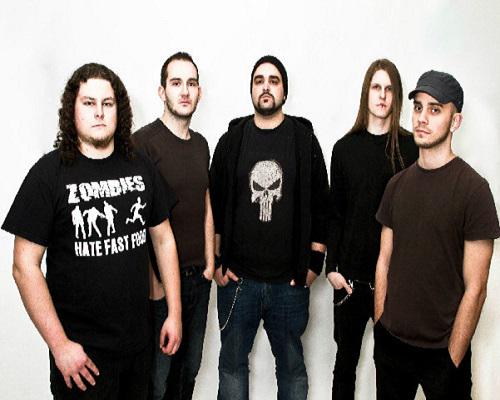
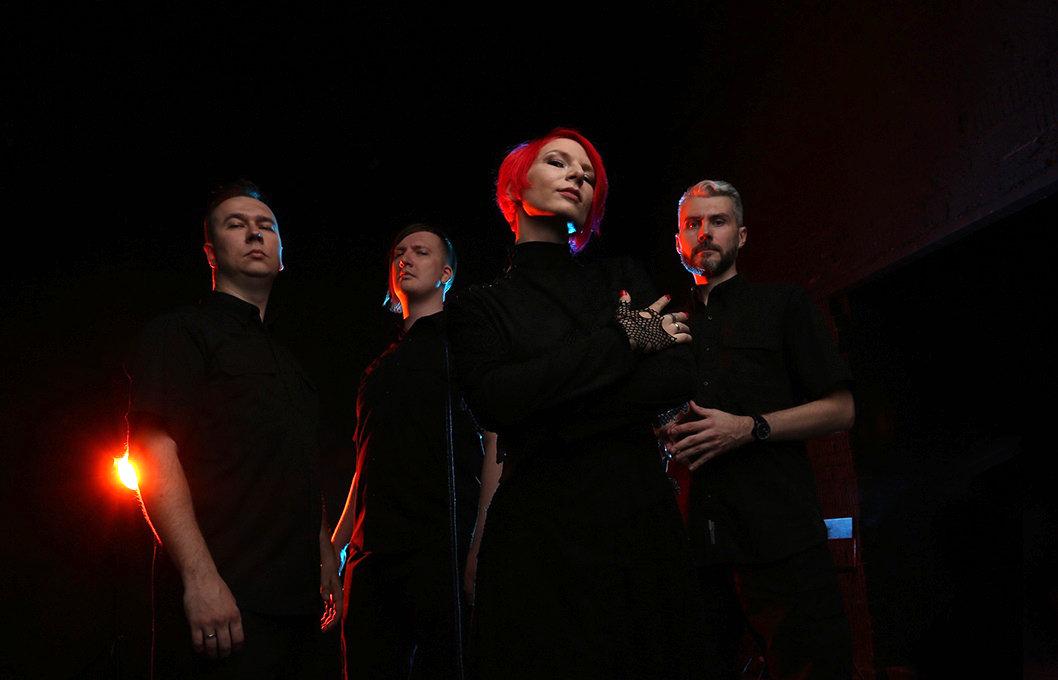
Subliminal Fear’s Spotify BioItalian band Subliminal Fear offer a futuristic metal style with a mixture of extreme and melodic metal and with electronic music such as Fear Factory and Sybreed but also, according with their early years, melodic death metal's influences from the most important Swedish metal bands like Soilwork and In Flames.
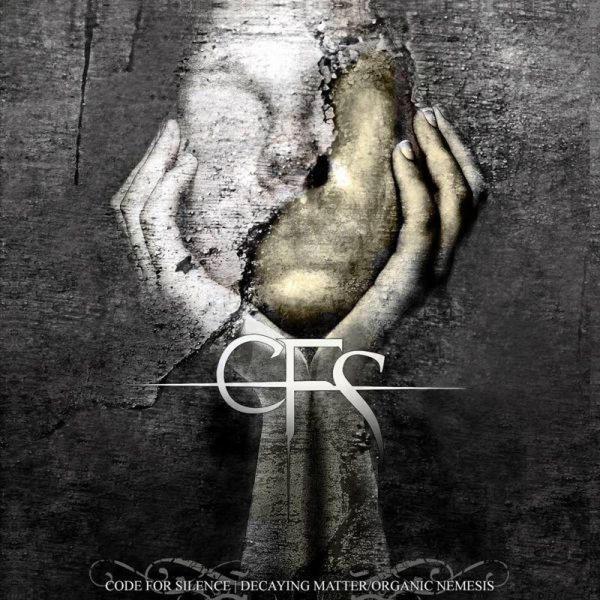
Formed in 2002 by singer Carmine Cristallo, guitar player Domenico Murgolo and bass player Alessio Morella, the band released their debut album "Uncolored World Dying" in 2007, thought the Greek label Burning Star Records. Timely appearances at some Italian metal festivals like Total Metal Festival and have gained very good reviews, Subliminal Fear proceeded to record their second album "One More Breath" in 2012 but with a different line-up without their former singer Carmine and guitar player Domenico.
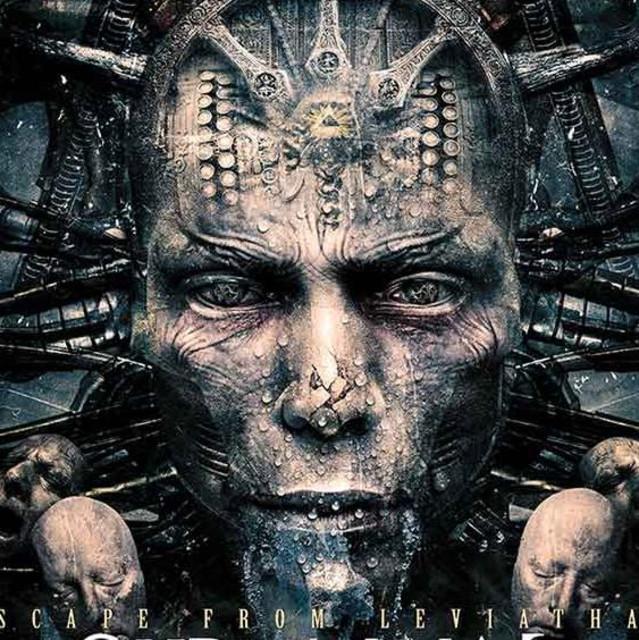
In 2013 Subliminal Fear's original members decided to get back together and to work again with the same moniker. The third album "Escape from Leviathan" has been released in May… 2016, showing several innovations about the musical style. The album has received positive reviews and it has been "top album of the month" on many international webzines and magazines.
In their activity, the group has shared stage with important acts like Testament, Dark Funeral, Ektomorf, Destrage, Necrodeath, Textures and Evergrey.
Viberate is a music analytics platform built for A&Rs, artist managers, labels, booking agents, marketers, and artists.
It helps music professionals track artist growth, analyze audience data, monitor playlist activity, compare artists, follow song performance, and identify opportunities across the music market.
Public artist pages provide a free preview of selected artist data. Paid plans provide access to deeper analytics, historical data, charts, comparisons, playlist tools, exports, alerts, reports, and additional professional features.
Yes. Public Viberate artist pages provide selected artist analytics and music data for free.
Viberate also offers a 7-day free trial of the full platform. A credit card is required to start the trial. The trial includes access to the complete product so users can test deeper artist analytics, historical views, playlist insights, comparisons, charts, exports, alerts, and reporting features before choosing a paid plan.
Viberate provides artist analytics across streaming, playlists, social media, video, radio airplay, songs, and audience markets.
Users can analyze Spotify performance, Spotify and Apple Music playlists, YouTube activity, TikTok and Instagram growth, radio spins, song performance, audience locations, demographics, rankings, and overall artist momentum.
Artist profiles also connect to music charts, similar artists, and comparison tools, helping users benchmark performance and evaluate artists in context.
Viberate updates key artist and track data daily.
For followed artists and tracks, selected data is refreshed multiple times per day. This helps teams monitor playlist changes, streaming movement, audience growth, releases, and campaign performance with more current data.
Update frequency can vary depending on the metric and data source.
Yes. Viberate lets users compare up to five artists side by side across streaming, social media, audience, and engagement metrics.
Users can compare fanbase growth, audience demographics, locations, Spotify performance, social metrics, and other artist data over selected time periods.
Artist comparison can be used for A&R scouting, benchmarking, booking decisions, campaign planning, and evaluating artists with similar audiences or market positions.