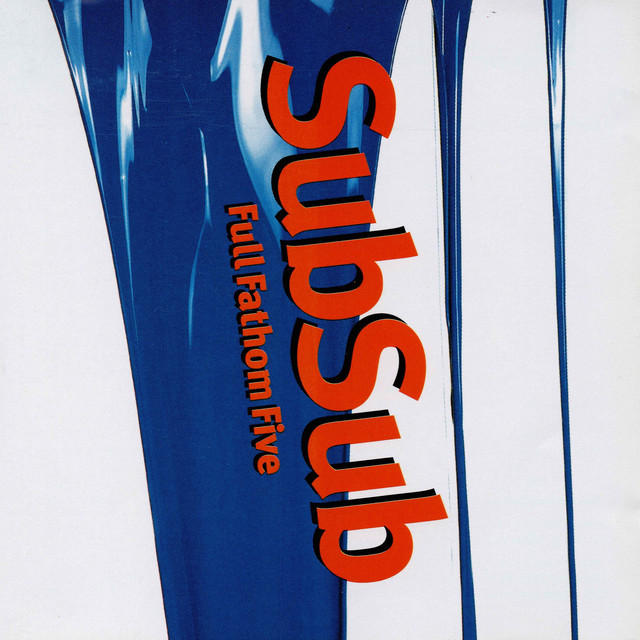
Sub Sub

Electronic
Dance
 Viberate Rank: 134188
 Viberate Rank: 134188
 Monthly ListenersFollowers
 Subscribers
 Followers
 Followers
 FansTop Spotify Songs
| Track | 7-Day Streams | |
|---|---|---|
1 | 98.45K | |
2 | 15.24K | |
3 | 14.96K | |
4 | 5.05K | |
5 | 1.50K |
Top YouTube VideosMonthly ListenersFeatured in Playlists| Playlist | Followers | |
|---|---|---|
1 |  Ibiza Classics Spotify | 392.25K |
2 |  CAFÉ DEL MAR / Lounge & Chill House 2026 Ibiza Chill Out Classics | 269.93K |
3 |  Made in Manchester Spotify | 252.50K |
4 |  Café Del Marina-Chillout Ibiza 🌅 LoudKult | 130.84K |
5 |  Derry Girls: Every Single Fab Tune Rory McEvoy | 128.86K |
Audience| City | Monthly Listeners | |
|---|---|---|
1 | | 8.93K |
2 |  | 6.42K |
3 | | 6.01K |
4 |  | 4.35K |
5 | | 3.74K |
See full performance history, audience data, playlist activity, rankings, comparisons, and more in Viberate music analytics. Start with a free trial, then continue with a paid plan.
Sub Sub’s Spotify BioSub Sub will probably be always known as the band that Doves used to be. However, in the early '90s Sub Sub was one of the most promising acts to originate from the drug-fueled rave scene in Manchester, England. Featuring twins Jez Williams and Andy Williams and classmate Jimi Goodwin, Sub Sub's acid house sound exemplified the trippy music emanating from England's underground dance clubs. In 1993, Sub Sub's single "Ain't No Love (Ain't No Use)" landed at number three on the U.K. charts. In addition, Sub Sub collaborated with Tricky and New Order frontman Bernard Sumner. In 1995, Sub Sub released Full Fathom Five. But Sub Sub's future also became hazy that year. While the Williams brothers were celebrating their birthday, an electrical fire consumed Sub Sub's studio. All of their recordings and equipment vanished in the flames. While Sub Sub was already evolving before the fire, in 1998 they dumped their techno rhythms and became Doves. Replacing their turntables and computers with… rock & roll instruments, Doves released their debut album, Lost Souls, in 2000. The success of "Ain't No Love (Ain't No Use)" had stereotyped Sub Sub as a disco outfit, but Doves enabled them to explore their admiration for the Velvet Underground and the Smiths. ~ Michael Sutton, Rovi
Viberate is a music analytics platform built for A&Rs, artist managers, labels, booking agents, marketers, and artists.
It helps music professionals track artist growth, analyze audience data, monitor playlist activity, compare artists, follow song performance, and identify opportunities across the music market.
Public artist pages provide a free preview of selected artist data. Paid plans provide access to deeper analytics, historical data, charts, comparisons, playlist tools, exports, alerts, reports, and additional professional features.
Yes. Public Viberate artist pages provide selected artist analytics and music data for free.
Viberate also offers a 7-day free trial of the full platform. A credit card is required to start the trial. The trial includes access to the complete product so users can test deeper artist analytics, historical views, playlist insights, comparisons, charts, exports, alerts, and reporting features before choosing a paid plan.
Viberate provides artist analytics across streaming, playlists, social media, video, radio airplay, songs, and audience markets.
Users can analyze Spotify performance, Spotify and Apple Music playlists, YouTube activity, TikTok and Instagram growth, radio spins, song performance, audience locations, demographics, rankings, and overall artist momentum.
Artist profiles also connect to music charts, similar artists, and comparison tools, helping users benchmark performance and evaluate artists in context.
Viberate updates key artist and track data daily.
For followed artists and tracks, selected data is refreshed multiple times per day. This helps teams monitor playlist changes, streaming movement, audience growth, releases, and campaign performance with more current data.
Update frequency can vary depending on the metric and data source.
Yes. Viberate lets users compare up to five artists side by side across streaming, social media, audience, and engagement metrics.
Users can compare fanbase growth, audience demographics, locations, Spotify performance, social metrics, and other artist data over selected time periods.
Artist comparison can be used for A&R scouting, benchmarking, booking decisions, campaign planning, and evaluating artists with similar audiences or market positions.