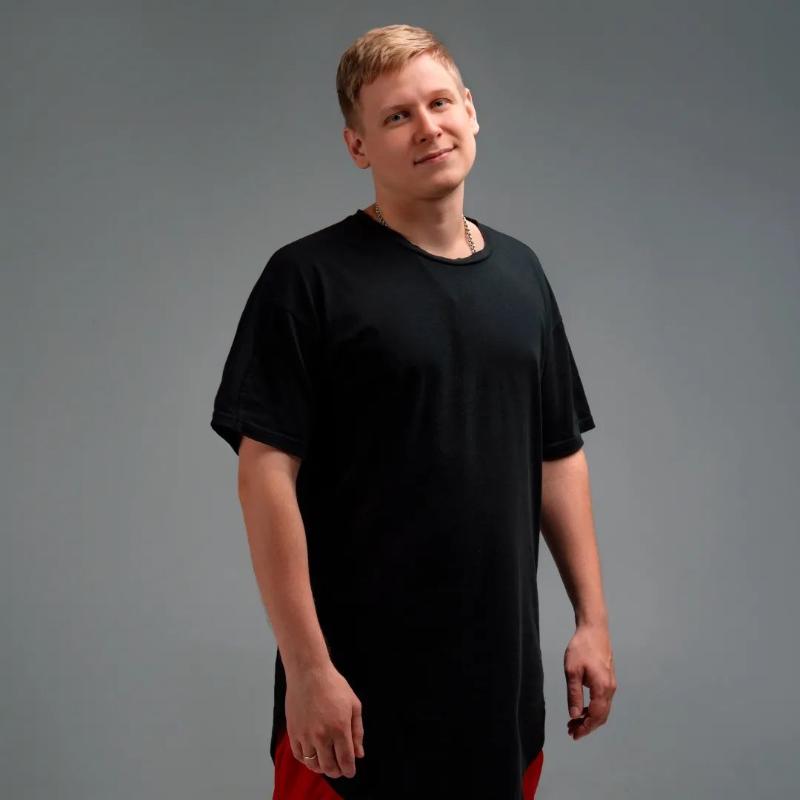
STVCKS

Electronic
Dance
House
 Viberate Rank: 209605
 Viberate Rank: 209605
 Monthly ListenersFollowers
 Subscribers
 Followers
 Followers
 FansTop Spotify Songs
| Track | 7-Day Streams | |
|---|---|---|
1 | 2.35K | |
2 | 1.96K | |
3 | 1.89K | |
4 | 746 | |
5 | 681 |
Top YouTube VideosMonthly ListenersFeatured in Playlists| Playlist | Followers | |
|---|---|---|
1 |  Bass Music 2021 Clapmode | 135.10K |
2 | Weekend HighTunes | 60.36K |
3 |  selected. Releases selected. | 41.14K |
4 |  EDM Workout – Crossfit & Gym Motivation Clapmode | 40.88K |
5 | EDM TOP 100 FLP Family | 40.81K |
Audience| City | Monthly Listeners | |
|---|---|---|
1 |  | 595 |
2 | | 287 |
3 | | 258 |
4 | | 229 |
5 | | 213 |
See full performance history, audience data, playlist activity, rankings, comparisons, and more in Viberate music analytics. Start with a free trial, then continue with a paid plan.
STVCKS’ Spotify BioDutch DJ/producer Bas Goossen is the face behind STVCKS (pronounced: stacks). He has quite some experience in the music industry, by doing projects as a mixing engineer and producing music in all kinds of genres. All these efforts result in powerful and melodic bangers which can be heard in clubs and on festivals worldwide. The power of STVCKS is creating the perfect combination of pop music and club vibes.
Starting off with various remixes of tracks STVCKS got known in the scene. DJ’s like Tiesto, David Guetta, Hardwell and Lucas & Steve played the STVCKS remixes on radioshows and festivals. The remixes reached more than 10 million streams on Soundcloud and Youtube. Not only the remixes were in high demand, the original tracks are also a big success. Releases on Spinnin’ Records, Armada Music, Warner Music and Futurehousemusic reached more than 6 million streams on Spotify.
Viberate is a music analytics platform built for A&Rs, artist managers, labels, booking agents, marketers, and artists.
It helps music professionals track artist growth, analyze audience data, monitor playlist activity, compare artists, follow song performance, and identify opportunities across the music market.
Public artist pages provide a free preview of selected artist data. Paid plans provide access to deeper analytics, historical data, charts, comparisons, playlist tools, exports, alerts, reports, and additional professional features.
Yes. Public Viberate artist pages provide selected artist analytics and music data for free.
Viberate also offers a 7-day free trial of the full platform. A credit card is required to start the trial. The trial includes access to the complete product so users can test deeper artist analytics, historical views, playlist insights, comparisons, charts, exports, alerts, and reporting features before choosing a paid plan.
Viberate provides artist analytics across streaming, playlists, social media, video, radio airplay, songs, and audience markets.
Users can analyze Spotify performance, Spotify and Apple Music playlists, YouTube activity, TikTok and Instagram growth, radio spins, song performance, audience locations, demographics, rankings, and overall artist momentum.
Artist profiles also connect to music charts, similar artists, and comparison tools, helping users benchmark performance and evaluate artists in context.
Viberate updates key artist and track data daily.
For followed artists and tracks, selected data is refreshed multiple times per day. This helps teams monitor playlist changes, streaming movement, audience growth, releases, and campaign performance with more current data.
Update frequency can vary depending on the metric and data source.
Yes. Viberate lets users compare up to five artists side by side across streaming, social media, audience, and engagement metrics.
Users can compare fanbase growth, audience demographics, locations, Spotify performance, social metrics, and other artist data over selected time periods.
Artist comparison can be used for A&R scouting, benchmarking, booking decisions, campaign planning, and evaluating artists with similar audiences or market positions.