Sturm und Drang

Metal
Power Metal
Alternative Rock
 Viberate Rank: 154151
 Viberate Rank: 154151
 Monthly ListenersFollowers
 Subscribers
 Followers
 Followers
 FansTop Spotify Songs
| Track | 7-Day Streams | |
|---|---|---|
1 | 12.81K | |
2 | 11.68K | |
3 | 8.83K | |
4 | 6.24K | |
5 | 5.11K |
Top YouTube VideosMonthly ListenersFeatured in Playlists| Playlist | Followers | |
|---|---|---|
1 |  Chill Rock Lucas | 24.53K |
2 |  UFC Sebastian Ness | 6.79K |
3 |  Bitchy mood amanda.mansner | 6.39K |
4 | Melodic Metal & Rock arctic4x | 5.59K |
5 | Hi-Fi/Speaker test Marcus Furubråten | 5.45K |
Audience| City | Monthly Listeners | |
|---|---|---|
1 | | 17.38K |
2 | | 4.06K |
3 | | 2.14K |
4 |  | 1.63K |
5 | | 1.17K |
See full performance history, audience data, playlist activity, rankings, comparisons, and more in Viberate music analytics. Start with a free trial, then continue with a paid plan.
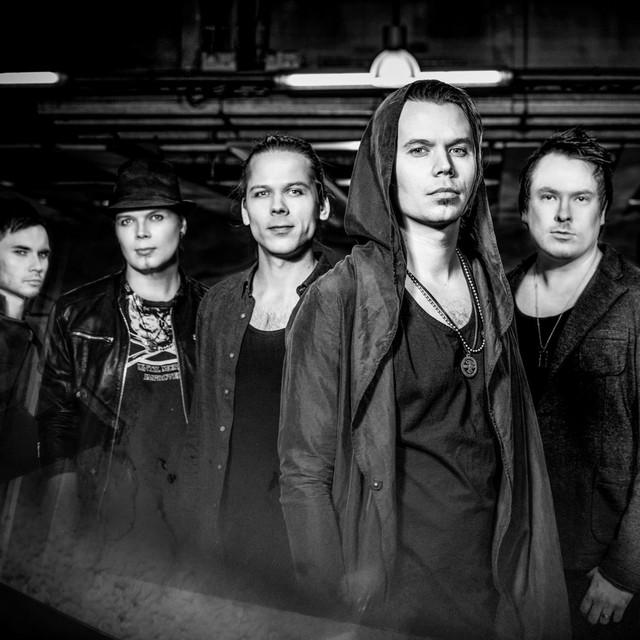
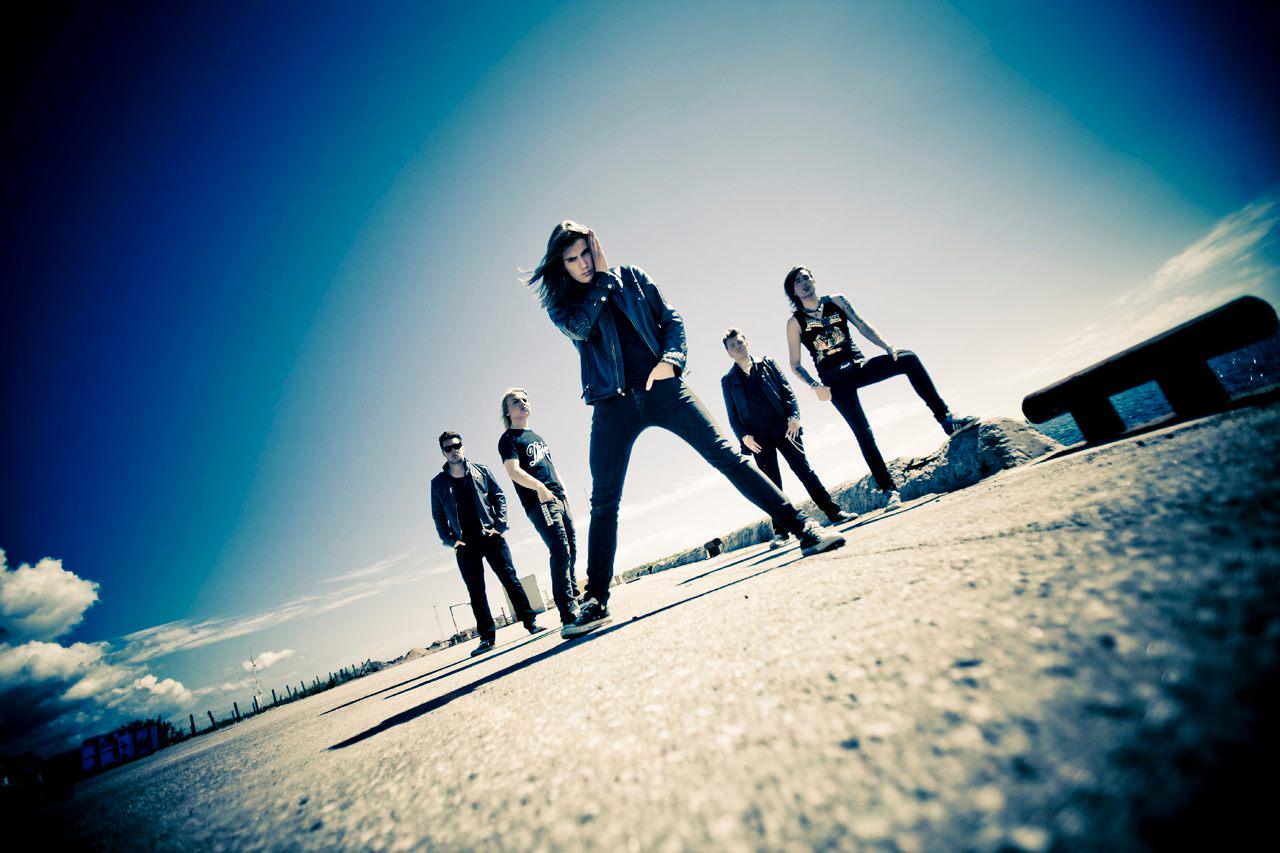
Sturm und Drang’s Spotify BioSturm und Drang is a successful Finnish heavy metal band. The group was formed in 2004 by two friends, André Linman (guitar and vocals) and Henrik Kurkiala (bass and background vocals), after a Judas Priest concert. They soon added three other players to the band -- Jesper Wahlroos (keyboards), Calle Fahllund (drums), and Alexander Ivars (guitar) -- and started publicly playing both original and cover songs soon thereafter. The bandmembers, all 13 and 14 years old at the time, were influenced by "old-school" hard rock and metal bands, like Dio and Bon Jovi, as well as more modern melodic metal bands, such as Arctica Sonata.
After playing numerous gigs in both festivals and smaller venues, Sturm und Drang recorded a demo in the fall of 2005. This was brought to the attention of Helsinki Music Company, which signed the band upon seeing the boys perform live with the Swedish garage rock band the Hellacopters. They recorded their first album, Learning to Rock, in 2006, and with its May 2007… release, it quickly rose up to number three on the Finnish charts. The single release "Rising Son" charted at number nine. The record was released across Europe by GUN Records in August 2007 in a slightly augmented edition that featured a Judas Priest cover and other bonus material. ~ JT Lindroos, Rovi
Viberate is a music analytics platform built for A&Rs, artist managers, labels, booking agents, marketers, and artists.
It helps music professionals track artist growth, analyze audience data, monitor playlist activity, compare artists, follow song performance, and identify opportunities across the music market.
Public artist pages provide a free preview of selected artist data. Paid plans provide access to deeper analytics, historical data, charts, comparisons, playlist tools, exports, alerts, reports, and additional professional features.
Yes. Public Viberate artist pages provide selected artist analytics and music data for free.
Viberate also offers a 7-day free trial of the full platform. A credit card is required to start the trial. The trial includes access to the complete product so users can test deeper artist analytics, historical views, playlist insights, comparisons, charts, exports, alerts, and reporting features before choosing a paid plan.
Viberate provides artist analytics across streaming, playlists, social media, video, radio airplay, songs, and audience markets.
Users can analyze Spotify performance, Spotify and Apple Music playlists, YouTube activity, TikTok and Instagram growth, radio spins, song performance, audience locations, demographics, rankings, and overall artist momentum.
Artist profiles also connect to music charts, similar artists, and comparison tools, helping users benchmark performance and evaluate artists in context.
Viberate updates key artist and track data daily.
For followed artists and tracks, selected data is refreshed multiple times per day. This helps teams monitor playlist changes, streaming movement, audience growth, releases, and campaign performance with more current data.
Update frequency can vary depending on the metric and data source.
Yes. Viberate lets users compare up to five artists side by side across streaming, social media, audience, and engagement metrics.
Users can compare fanbase growth, audience demographics, locations, Spotify performance, social metrics, and other artist data over selected time periods.
Artist comparison can be used for A&R scouting, benchmarking, booking decisions, campaign planning, and evaluating artists with similar audiences or market positions.