Studio 90

Rock
Indie Rock
 Viberate Rank: 690331
 Viberate Rank: 690331
 Monthly ListenersFollowers
 Subscribers
 Followers
 Followers
 FansTop Spotify Songs
| Track | 7-Day Streams | |
|---|---|---|
1 | 271 | |
2 | 42 | |
3 | 23 | |
4 | 17 | |
5 | 16 |
Top YouTube Videos| Video | 7-Day Views | |
|---|---|---|
1 | 1 |
Monthly ListenersFeatured in Playlists| Playlist | Followers | |
|---|---|---|
1 |  Best Rock songs of All Time IndieMassive Hits | 305.43K |
2 | Worldwide Hits | 135.14K |
3 |  Techno 90s // Tecno Mix Oldies Records | 34.24K |
4 | Mumford and Sons, The Kooks, Arctic Monkeys etc Georgia Pfeffer | 4.80K |
5 | Pittsburgh Steelers Stadium Music Daniel Hernández | 1.11K |
Audience| City | Monthly Listeners | |
|---|---|---|
1 |  | 12 |
2 |  | 3 |
3 | | 3 |
4 |  | 3 |
See full performance history, audience data, playlist activity, rankings, comparisons, and more in Viberate music analytics. Start with a free trial, then continue with a paid plan.
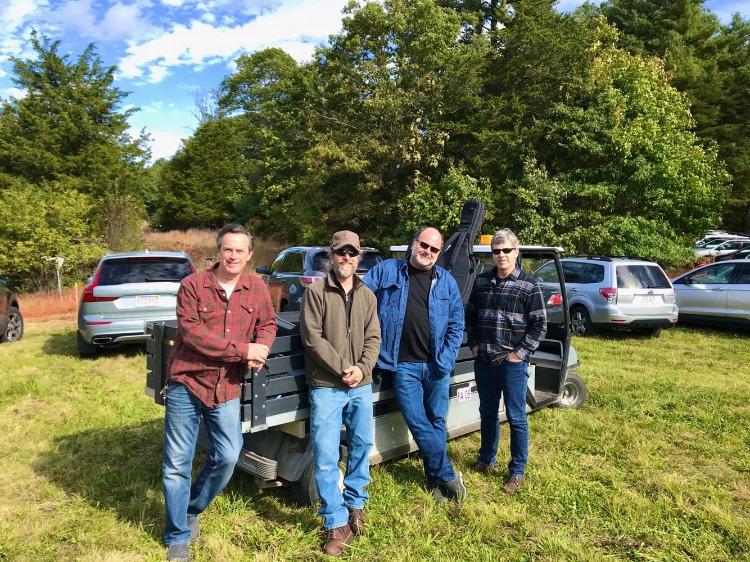
Studio 90’s Spotify BioSTUDIO 90 is a collaborative studio project based in Bunbury, Western Australia.
The project was born towards the end of 2019 when songwriter/guitarist, Dave Meek asked vocalist and saxophonist and long-time friend, John (JB) Hayes to listen to some songs he’d been working on with a view to doing the vocals on them.
Some of the songs were written for a female singer, “I had a certain tonal quality in mind that I was looking for” says Dave, and he was put in touch with vocalist Angie Williams. “I asked her to sing a couple of lines for me when she came round…… that’s the voice”.
Since those early days, Dave's brother, Tim, has played an increasingly important role with arrangement, musical production, melodic ideas and increasingly, guitar and bass parts. This he does from across the world in England.
2022 saw two releases sung by Angie, My Superstition and Rollercoaster , and the first song sung by Dave himself, A Girl Like You.
Since then, Dave has sung all the vocals himself, including… Gonna Take That Back, Should Have Known Better, and Got To Be Love, all released in 2023. There have been several songs released in quick succession in 2024, You Can Fly, Standing On My Hill, and Far Away, all with at least half the guitar parts from across the world!
Viberate is a music analytics platform built for A&Rs, artist managers, labels, booking agents, marketers, and artists.
It helps music professionals track artist growth, analyze audience data, monitor playlist activity, compare artists, follow song performance, and identify opportunities across the music market.
Public artist pages provide a free preview of selected artist data. Paid plans provide access to deeper analytics, historical data, charts, comparisons, playlist tools, exports, alerts, reports, and additional professional features.
Yes. Public Viberate artist pages provide selected artist analytics and music data for free.
Viberate also offers a 7-day free trial of the full platform. A credit card is required to start the trial. The trial includes access to the complete product so users can test deeper artist analytics, historical views, playlist insights, comparisons, charts, exports, alerts, and reporting features before choosing a paid plan.
Viberate provides artist analytics across streaming, playlists, social media, video, radio airplay, songs, and audience markets.
Users can analyze Spotify performance, Spotify and Apple Music playlists, YouTube activity, TikTok and Instagram growth, radio spins, song performance, audience locations, demographics, rankings, and overall artist momentum.
Artist profiles also connect to music charts, similar artists, and comparison tools, helping users benchmark performance and evaluate artists in context.
Viberate updates key artist and track data daily.
For followed artists and tracks, selected data is refreshed multiple times per day. This helps teams monitor playlist changes, streaming movement, audience growth, releases, and campaign performance with more current data.
Update frequency can vary depending on the metric and data source.
Yes. Viberate lets users compare up to five artists side by side across streaming, social media, audience, and engagement metrics.
Users can compare fanbase growth, audience demographics, locations, Spotify performance, social metrics, and other artist data over selected time periods.
Artist comparison can be used for A&R scouting, benchmarking, booking decisions, campaign planning, and evaluating artists with similar audiences or market positions.