Stresmatic

Hip Hop
Contemporary Hip Hop
Alternative Hip Hop
 Viberate Rank: 145896
 Viberate Rank: 145896
 Monthly ListenersFollowers
 Subscribers
 Followers
 Followers
 FansTop Spotify Songs
| Track | 7-Day Streams | |
|---|---|---|
1 | 6.02K | |
2 | 3.94K | |
3 | 3.17K | |
4 | 3.15K | |
5 | 3.02K |
Top YouTube Videos| Video | 7-Day Views | |
|---|---|---|
1 | 19 | |
2 | 8 | |
3 | 7 | |
4 | 7 | |
5 | 6 |
Monthly ListenersFeatured in Playlists| Playlist | Followers | |
|---|---|---|
1 |  Best Hip-Hop of all time Jonas de la Chaux | 55.26K |
2 |  This Is E-40 Spotify | 48.34K |
3 | Rap Classics 1990-2010 Bendix | 20.58K |
4 | Loyal – Chris Brown Brady Rosenlund | 17.42K |
5 | For Adults: 420 weed music thejebba | 12.49K |
Audience| City | Monthly Listeners | |
|---|---|---|
1 | | 1.66K |
2 | | 1.27K |
3 | | 915 |
4 | | 909 |
5 | | 648 |
See full performance history, audience data, playlist activity, rankings, comparisons, and more in Viberate music analytics. Start with a free trial, then continue with a paid plan.
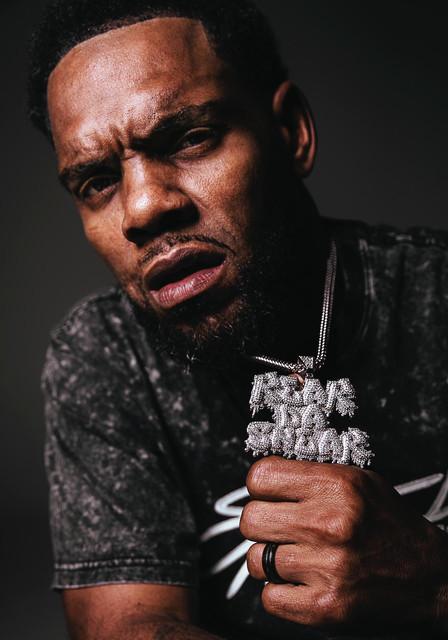
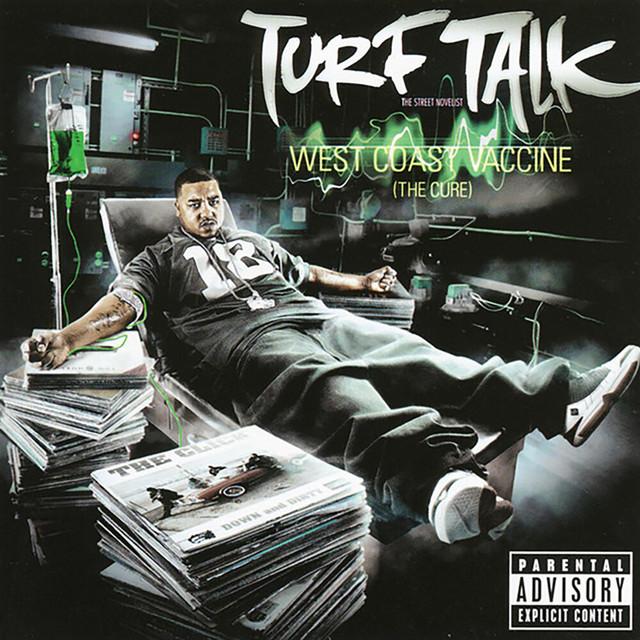
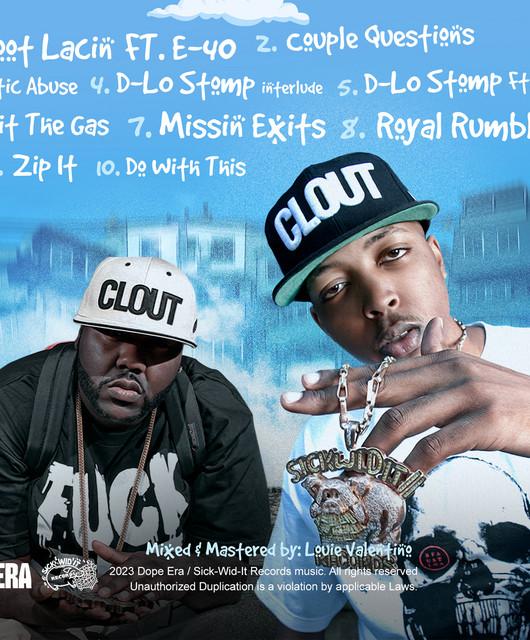
Stresmatic’s Spotify BioBay Area rapper Stresmatic began his career as part of the hardcore trio Federation before branching out as a solo artist. Born Thomas Jackson, the Fairfield, California MC joined Federation in 2002 with fellow rappers Goldie Gold and Doonie Baby (aka Doon Koon) and producer Rick Rock. Early figures of the hyphy movement, they released their debut, The Album, in 2004 on Virgin. The album broke into the Billboard 200 before they parted ways with the label. The follow-up, It's Whateva, was issued on Warner Bros. in 2007 and featured appearances by Travis Barker, E-40, and Snoop Dogg. While Federation's output remained scant in the following years, Stresmatic continued to appear on tracks by area artists like Nump, the Jacka, Lil Raider, Too $hort, and E-40, who would recruit Stresmatic on his multi-release Revenue Retrievin' album series. Stresmatic also collaborated with high-profile acts like Snoop Dogg and Busta Rhymes on "Powder on My Clothes," with Redman on "Dope Man," and with Rae…kwon and Ghostface Killah on "Yes Sir." In 2015, he issued the Mobbin EP and the mixtape, Broadcasting Live from Yo Bitch House. The year after, he released a trio of tapes: Matic, Work a Twist, and #Rappinasstj. In 2017, the Faded EP arrived, promoted by the introspective single "Overdose." ~ Neil Z. Yeung
Viberate is a music analytics platform built for A&Rs, artist managers, labels, booking agents, marketers, and artists.
It helps music professionals track artist growth, analyze audience data, monitor playlist activity, compare artists, follow song performance, and identify opportunities across the music market.
Public artist pages provide a free preview of selected artist data. Paid plans provide access to deeper analytics, historical data, charts, comparisons, playlist tools, exports, alerts, reports, and additional professional features.
Yes. Public Viberate artist pages provide selected artist analytics and music data for free.
Viberate also offers a 7-day free trial of the full platform. A credit card is required to start the trial. The trial includes access to the complete product so users can test deeper artist analytics, historical views, playlist insights, comparisons, charts, exports, alerts, and reporting features before choosing a paid plan.
Viberate provides artist analytics across streaming, playlists, social media, video, radio airplay, songs, and audience markets.
Users can analyze Spotify performance, Spotify and Apple Music playlists, YouTube activity, TikTok and Instagram growth, radio spins, song performance, audience locations, demographics, rankings, and overall artist momentum.
Artist profiles also connect to music charts, similar artists, and comparison tools, helping users benchmark performance and evaluate artists in context.
Viberate updates key artist and track data daily.
For followed artists and tracks, selected data is refreshed multiple times per day. This helps teams monitor playlist changes, streaming movement, audience growth, releases, and campaign performance with more current data.
Update frequency can vary depending on the metric and data source.
Yes. Viberate lets users compare up to five artists side by side across streaming, social media, audience, and engagement metrics.
Users can compare fanbase growth, audience demographics, locations, Spotify performance, social metrics, and other artist data over selected time periods.
Artist comparison can be used for A&R scouting, benchmarking, booking decisions, campaign planning, and evaluating artists with similar audiences or market positions.