Streetwize

Jazz
Smooth Jazz
 Viberate Rank: 109506
 Viberate Rank: 109506
 Monthly ListenersFollowers
 Subscribers
 Followers
 Followers
 FansTop Spotify Songs
| Track | 7-Day Streams | |
|---|---|---|
1 | 6.12K | |
2 | 4.44K | |
3 | 4.18K | |
4 | 3.76K | |
5 | 3.76K |
Top YouTube VideosMonthly ListenersFeatured in Playlists| Playlist | Followers | |
|---|---|---|
1 | 2000s Pop, Rock, and Top Hits Jeff Alphonse | 28.83K |
2 | Cool Smooth Jazz With Soul Gerden | 21.39K |
3 |  90s 00s R&B Hip Hop Instrumentals Smalls | 20.74K |
4 |  R&B IN JAZZ VIIDOM | 19.71K |
5 | Smooth Jazz Variety Charles Draidfort | 18.94K |
Audience| City | Monthly Listeners | |
|---|---|---|
1 | | 1.25K |
2 | | 897 |
3 | | 881 |
4 | | 784 |
5 | | 759 |
See full performance history, audience data, playlist activity, rankings, comparisons, and more in Viberate music analytics. Start with a free trial, then continue with a paid plan.
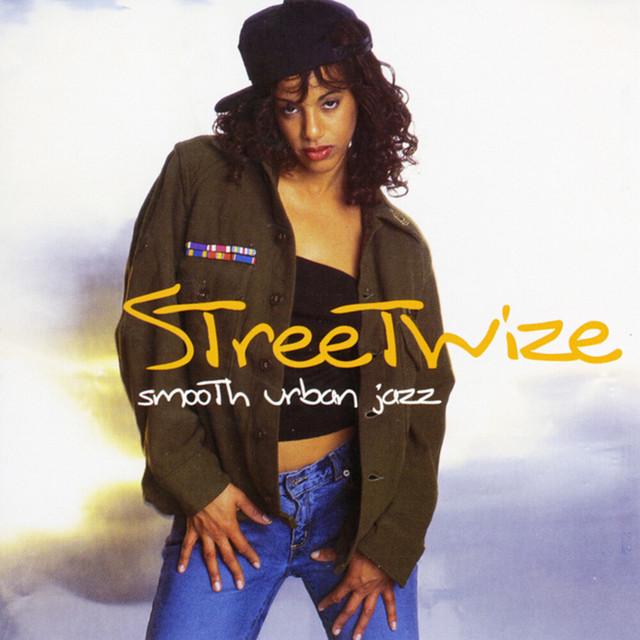
Streetwize’s Spotify BioStreetwize is a charting contemporary jazz studio recording project led by saxophonist Kim Waters. His regular collaborators include vocalist Maysa Leak and guitarist Ken Navarro; the rest of the lineup fluctuates according to a particular recording's needs. Since 2002's Streetwize: Smooth Urban Jazz, they have almost exclusively recorded jazz covers of contemporary rap and R&B hits, though Waters' love of vintage R&B, funk, and disco is acknowledged by including a classic song or two on most productions. Their sophomore date, Work It, went all the way to number two on the contemporary jazz charts. 2006's Does Dre was their first to focus on a single artist. 2012's Feelin' Sexy offered ballads and 21st century love songs; it went to number three, as did the following year's Body Party. 2015's Does the Divas was the project's first to focus exclusively on female vocalists. After a five-year hiatus, Waters brought the project back for 2020's Ocean Eyes. Lift Me Up appeared in 2024.
Waters… created the Streetwize project following 2001's From the Heart, inspired by Blue Note's mid-'60s tendency to encourage their artists to cover pop hits from charting artists of the day. He was also playing more covers live that resonated with fans. He proposed Streetwize to Shanachie and they greenlighted it. 2002's Smooth Urban Jazz featured versions of Mystikal's "Shake It Fast," Aaliyah's "Rock the Boat," and D'Angelo's "Brown Sugar." While it didn't chart, it did win enthusiastic critical notice. 2003's Work It polished the edges off tracks made popular by Missy Elliott, Erykah Badu, and Jennifer Lopez, and featured Randy Brecker, Erica Wilson, David Mann, and Chuck Loeb in the lineup. The set peaked at number three on the Contemporary Jazz chart. Streetwize changed it up for 2004's sultry Slow Jamz. It included a pair of Isley Brothers tributes in "Don't Say Goodnight" and "Between the Sheets." Among its other selections were Avant's Read Your Mind" and Beyonce's "Me, Myself and I." It too peaked at number three.
Two years later, the band returned with Does Dre, the project's first outing to focus on the work of a single artist. In addition to Dr. Dre hits, it included versions of tracks he produced, including Eminem's "My Name Is," Snoop Dogg's "Gin and Juice," and "Nuthin' But a G Thang." The band continued in the slow jam/cover song mode on 2007's Sexy Love, titled after the Ne-Yo hit. It also included Robin Thicke's "Lost Without U" and Kanye West's "Heaven (Only Knows)." The set's closer was a reading of Thom Bell's smash Delfonics' vehicle "La La (Means I Love You)." The album peaked at number nine on the Contemporary Jazz chart and number nine on the Jazz Albums list.
In 2008 the group returned to focusing on a single artist with Streetwize Does Mary J Blige. Delivering 11 of Blige's songs, Waters enlisted producer/keyboardist Chris "Big Dog" Davis, guitarist Rohn Lawrence, and backing vocalist of Timmy Maia. The set peaked at number four on the Contemporary Jazz charts, number ten at Jazz Albums, and number 26 on the R&B/Hip Hop Albums list. Waters also enjoyed chart-topping success on the Contemporary Jazz chart, as well as Top 200 success that year with his own I Want You: Love in the Spirit of Marvin. Streetwize issued Put U to Bed in 2009. The set included readings of Mariah Carey's "My Love," David Balfour's "Chopped 'N' Skrewed," The Dream's "Bed," and Ledisi's "In the Morning." It spent seven weeks on the Contemporary Jazz chart and peaked at number eight.
Waters was busy recording and touring his own records over the next couple of years. 2010 and 2011 saw him net a pair of Top Five outings in Love Stories and This Heart of Mine. He reassembled Streetwize for 2012's Feelin' Sexy. It included covers by Robin Thicke, R. Kelly, Frank Ocean, and Anthony Hamilton, as well as a read of the Atlantic Starr ballad "Send for Me." The set spent 20 weeks on the Contemporary Jazz chart, peaking at number three. It also spent 17 weeks on the Jazz Albums list and peaked at number seven.
The following year, Streetwize netted another Top Five hit with Body Party. Subtitled "Smooth Urban Jazz Vibes on Today's #1 R&B Hits!", it included versions of Ciara's title track, Drake's "Hold On, We're Going Home," and Tamar Braxton's "The One." The album also placed inside the Top Ten at Jazz Albums. Waters followed the formula on 2015's Does the Divas! Subtitled "Smooth Urban Jazz Vibes on Today's #1 R&B Divas!", it offered spirited readings of Kesha's "Blow," Blige's "Whole Damn Year," Ledisi's "I Blame You," Jhené Aiko's "The Worst," and Sabrina's "Bang Bang." It reached number 15 on the Contemporary Jazz albums list.
Waters remained occupied by solo duties over the next several years. After a holiday-themed album for Red River, he returned to Shanachie for 2016's Top 20 Rhythm and Romance, and 2018's Top Five What I Like. He reassembled Streetwize for 2020's Ocean Eyes. Titled after the Billie Eilish hit, the ten-song set also included smooth jazz interpretations of Chris Brown's "No Guidance," H.E.R.'s "Best Part," Khalid's "Talk," and Daniel Caesar's "Get You."
In 2024, Streetwize returned with Lift Me Up, a ten-track volume offering contemporary jazz readings of contemporary R&B and hip-hop hits, including Silk Sonic's "Leave the Door Open," Rhianna's "Lift Me Up," Lizzo's "About Damn Time," Post Malone's "I Like You," and Doja Cat's "Kiss Me More"-- all reimagined in the smooth urban jazz style they're known for globally. ~ Matt Collar & Thom Jurek, Rovi
Viberate is a music analytics platform built for A&Rs, artist managers, labels, booking agents, marketers, and artists.
It helps music professionals track artist growth, analyze audience data, monitor playlist activity, compare artists, follow song performance, and identify opportunities across the music market.
Public artist pages provide a free preview of selected artist data. Paid plans provide access to deeper analytics, historical data, charts, comparisons, playlist tools, exports, alerts, reports, and additional professional features.
Yes. Public Viberate artist pages provide selected artist analytics and music data for free.
Viberate also offers a 7-day free trial of the full platform. A credit card is required to start the trial. The trial includes access to the complete product so users can test deeper artist analytics, historical views, playlist insights, comparisons, charts, exports, alerts, and reporting features before choosing a paid plan.
Viberate provides artist analytics across streaming, playlists, social media, video, radio airplay, songs, and audience markets.
Users can analyze Spotify performance, Spotify and Apple Music playlists, YouTube activity, TikTok and Instagram growth, radio spins, song performance, audience locations, demographics, rankings, and overall artist momentum.
Artist profiles also connect to music charts, similar artists, and comparison tools, helping users benchmark performance and evaluate artists in context.
Viberate updates key artist and track data daily.
For followed artists and tracks, selected data is refreshed multiple times per day. This helps teams monitor playlist changes, streaming movement, audience growth, releases, and campaign performance with more current data.
Update frequency can vary depending on the metric and data source.
Yes. Viberate lets users compare up to five artists side by side across streaming, social media, audience, and engagement metrics.
Users can compare fanbase growth, audience demographics, locations, Spotify performance, social metrics, and other artist data over selected time periods.
Artist comparison can be used for A&R scouting, benchmarking, booking decisions, campaign planning, and evaluating artists with similar audiences or market positions.