Straylight Run

Rock
Alternative Rock
Pop Punk
Indie Rock
 Viberate Rank: 104283
 Viberate Rank: 104283
 Monthly ListenersFollowers
 Subscribers
 Followers
 Followers
 FansTop Spotify Songs
| Track | 7-Day Streams | |
|---|---|---|
1 | 31.57K | |
2 | 18.02K | |
3 | 4.95K | |
4 | 4.00K | |
5 | 3.00K |
Top YouTube VideosMonthly ListenersFeatured in Playlists| Playlist | Followers | |
|---|---|---|
1 | igor | 97.08K |
2 | 2000's Emo & Pop Punk Jorden Z | 53.69K |
3 |  Sons of Anarchy - The Best Songs Alessandro Domenicali | 42.38K |
4 |  PHASE - 2000s emo throwbacks Jesea Lee | 39.77K |
5 | MySpace Nostalgia Bomb COFFEEINCUBICLE | 30.36K |
Audience| City | Monthly Listeners | |
|---|---|---|
1 | | 2.34K |
2 | | 2.15K |
3 | | 1.88K |
4 | | 1.71K |
5 | | 1.50K |
See full performance history, audience data, playlist activity, rankings, comparisons, and more in Viberate music analytics. Start with a free trial, then continue with a paid plan.
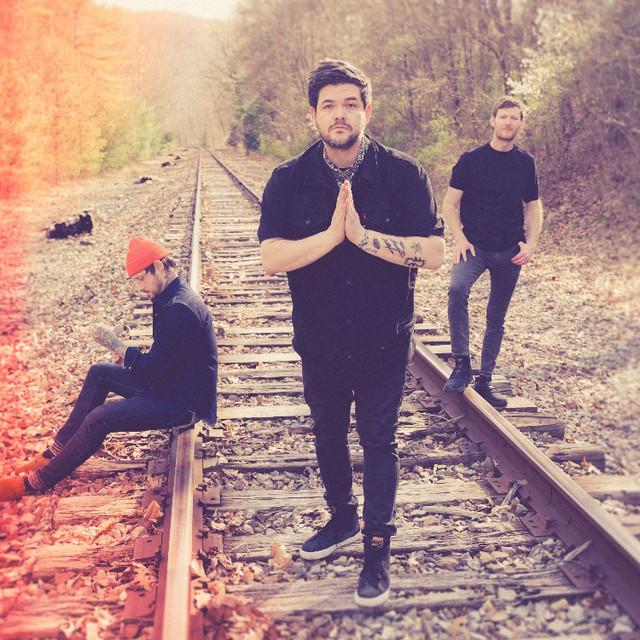
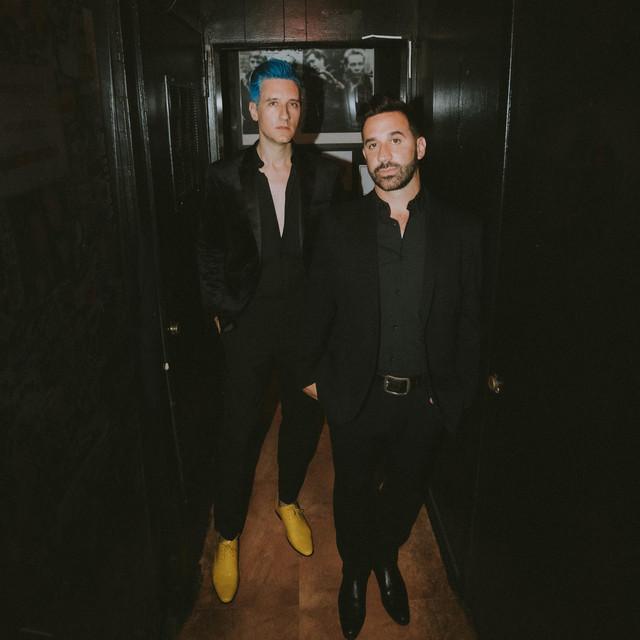
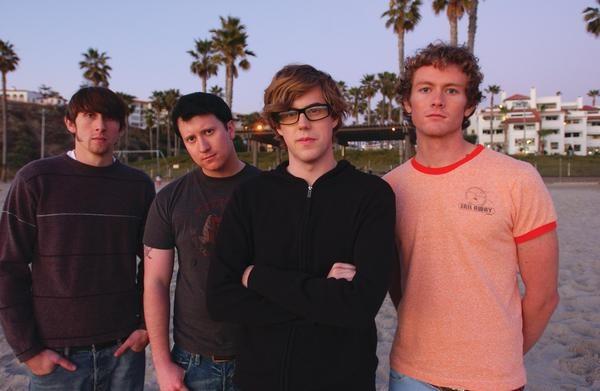
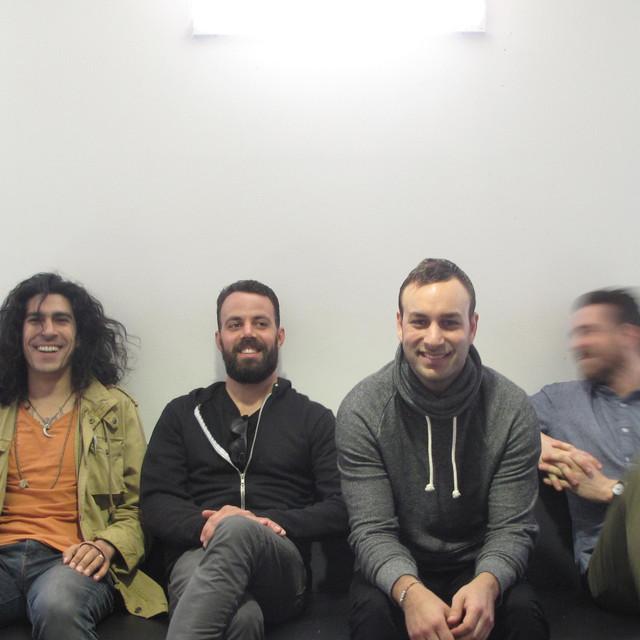
Straylight Run’s Spotify BioIn the early 2000s, emo rock outfit Taking Back Sunday was steadily gaining popularity among a new generation of punk rock fans, due in part to the dynamic songwriting and vocal team of Adam Lazzara and John Nolan. However, as their powerful debut, Tell All Your Friends, kept gaining momentum, restlessness among bandmembers grew as well, leading to the eventual departure of guitarist/vocalist Nolan and bassist Shaun Cooper. Regrouping together under the name Straylight Run, the two completed the band by recruiting Nolan's younger sister Michelle (vocals/keyboards) and ex-Breaking Pangea drummer Will Noon. Forming in May 2003, Straylight Run turned its back on the aggressive attack of Taking Back Sunday -- whose formula many young bands were in turn adopting and expanding upon -- and opted for a more indie rock approach with pensive, dreamy, and often piano-driven tunes. The group soon recorded several demo tracks that they released for free download on their website. The accessibility… of the songs, coupled with the past reputation of its chief songwriter, began an early and quickly growing buzz around the band. Straylight Run signed to Victory in April 2004, releasing their self-titled debut six months later; the album contained new songs along with re-recordings of their online demos. Months of touring followed with various bands including Hot Rod Circuit, Say Anything, Northstar, Rooney, and Minus the Bear, while their first single, "Existentialism on Prom Night," gradually worked its way into minor rotation on alternative rock radio, MTV2, and Fuse. Straylight Run next combined their acoustic stirrings with more socially aware lyrics on October 2005's Prepare to Be Wrong EP; in addition to songs addressing the war in Iraq, the release also included a particularly revealing song ("A Slow Descent") about the Taking Back Sunday separation. The band continued touring, hopping on the road with Simple Plan before joining Motion City Soundtrack in spring 2006 as part of MTVu's Campus Invasion tour. Straylight Run announced their signing to Universal Republic in early 2007; their sophomore full-length, The Needles the Space, followed that June. ~ Corey Apar, Rovi
Viberate is a music analytics platform built for A&Rs, artist managers, labels, booking agents, marketers, and artists.
It helps music professionals track artist growth, analyze audience data, monitor playlist activity, compare artists, follow song performance, and identify opportunities across the music market.
Public artist pages provide a free preview of selected artist data. Paid plans provide access to deeper analytics, historical data, charts, comparisons, playlist tools, exports, alerts, reports, and additional professional features.
Yes. Public Viberate artist pages provide selected artist analytics and music data for free.
Viberate also offers a 7-day free trial of the full platform. A credit card is required to start the trial. The trial includes access to the complete product so users can test deeper artist analytics, historical views, playlist insights, comparisons, charts, exports, alerts, and reporting features before choosing a paid plan.
Viberate provides artist analytics across streaming, playlists, social media, video, radio airplay, songs, and audience markets.
Users can analyze Spotify performance, Spotify and Apple Music playlists, YouTube activity, TikTok and Instagram growth, radio spins, song performance, audience locations, demographics, rankings, and overall artist momentum.
Artist profiles also connect to music charts, similar artists, and comparison tools, helping users benchmark performance and evaluate artists in context.
Viberate updates key artist and track data daily.
For followed artists and tracks, selected data is refreshed multiple times per day. This helps teams monitor playlist changes, streaming movement, audience growth, releases, and campaign performance with more current data.
Update frequency can vary depending on the metric and data source.
Yes. Viberate lets users compare up to five artists side by side across streaming, social media, audience, and engagement metrics.
Users can compare fanbase growth, audience demographics, locations, Spotify performance, social metrics, and other artist data over selected time periods.
Artist comparison can be used for A&R scouting, benchmarking, booking decisions, campaign planning, and evaluating artists with similar audiences or market positions.