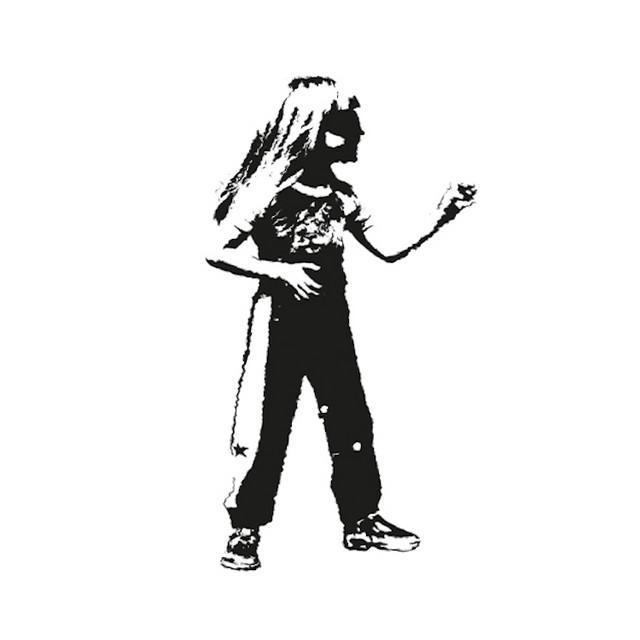
Strange Boy

Electronic
 Viberate Rank: 750334
 Viberate Rank: 750334
 Monthly ListenersFollowers
 Subscribers
 Followers
 Followers
 FansTop Spotify Songs
| Track | 7-Day Streams | |
|---|---|---|
1 | 72 | |
2 | 27 | |
3 | 10 | |
4 | 7 | |
5 | 5 |
Top YouTube VideosMonthly ListenersFeatured in Playlists| Playlist | Followers | |
|---|---|---|
1 |  Erased Tapes NTS Radio Shows Erased Tapes | 4.74K |
2 |  Il boss del weekend Radio Deejay | 3.27K |
3 |  The Daily Indie Playlist indieplaylist | 1.95K |
4 | Influence And Inspirations Zola Blood | 1.47K |
5 |  Best New Music Daily Fresh Finds | 1.36K |
Audience| City | Monthly Listeners | |
|---|---|---|
1 |  | 16 |
2 |  | 14 |
3 | | 6 |
4 | | 4 |
5 |  | 3 |
See full performance history, audience data, playlist activity, rankings, comparisons, and more in Viberate music analytics. Start with a free trial, then continue with a paid plan.
Strange Boy’s Spotify BioWith delicate vocal lines that float over intricate electronic textures, Strange Boy's songs are beautiful and arresting.
Singer Kieran Brunt and composer Matt Huxley joined forces after moving to London post-university. Having spent 2 years meticulously working their music together, they released their explosive debut track, Brooding, in 2017. The duo have formed their own label, Glass Guts, which will release their debut Annunciation EP in November 2017.
Avid songwriters, composers and arrangers, Strange Boy have already been tapped for a variety of collaborations. Kieran Brunt has worked with minimalist pioneer Terry Riley and was enlisted by Nils Frahm to contribute vocals and arrangements for his upcoming LP, due in 2018. Matt Huxley recently contributed a remix of Nico Muhly's music - Rev’d Mustard his Installation Prelude remix - Matt Huxley Remix - to James McVinnie's Cycles_1.
Viberate is a music analytics platform built for A&Rs, artist managers, labels, booking agents, marketers, and artists.
It helps music professionals track artist growth, analyze audience data, monitor playlist activity, compare artists, follow song performance, and identify opportunities across the music market.
Public artist pages provide a free preview of selected artist data. Paid plans provide access to deeper analytics, historical data, charts, comparisons, playlist tools, exports, alerts, reports, and additional professional features.
Yes. Public Viberate artist pages provide selected artist analytics and music data for free.
Viberate also offers a 7-day free trial of the full platform. A credit card is required to start the trial. The trial includes access to the complete product so users can test deeper artist analytics, historical views, playlist insights, comparisons, charts, exports, alerts, and reporting features before choosing a paid plan.
Viberate provides artist analytics across streaming, playlists, social media, video, radio airplay, songs, and audience markets.
Users can analyze Spotify performance, Spotify and Apple Music playlists, YouTube activity, TikTok and Instagram growth, radio spins, song performance, audience locations, demographics, rankings, and overall artist momentum.
Artist profiles also connect to music charts, similar artists, and comparison tools, helping users benchmark performance and evaluate artists in context.
Viberate updates key artist and track data daily.
For followed artists and tracks, selected data is refreshed multiple times per day. This helps teams monitor playlist changes, streaming movement, audience growth, releases, and campaign performance with more current data.
Update frequency can vary depending on the metric and data source.
Yes. Viberate lets users compare up to five artists side by side across streaming, social media, audience, and engagement metrics.
Users can compare fanbase growth, audience demographics, locations, Spotify performance, social metrics, and other artist data over selected time periods.
Artist comparison can be used for A&R scouting, benchmarking, booking decisions, campaign planning, and evaluating artists with similar audiences or market positions.