Störung

Electronic
Other Electronic Music
Cold wave
 Viberate Rank: 640270
 Viberate Rank: 640270
 Monthly ListenersFollowers
 Subscribers
 Followers
 Followers
 FansTop Spotify Songs
| Track | 7-Day Streams | |
|---|---|---|
1 | 98 | |
2 | 21 | |
3 | 12 | |
4 | 10 | |
5 | 9 |
Top YouTube VideosMonthly ListenersFeatured in Playlists| Playlist | Followers | |
|---|---|---|
1 |  Radio Hits Germany Kobe King | 31.86K |
2 | Dark Postpunk | Coldwave | Darkwave by Darklark darklark | 15.01K |
3 |  Minimal Wave / Minimal Synth andkris | 7.40K |
4 |  Industrial Dance Music ☣️☢️ Nuclear Cat ☢️☣️ | 6.31K |
5 |  Jarvis Cocker's Sunday Service Anders Björk | 5.09K |
Audience| City | Monthly Listeners | |
|---|---|---|
1 |  | 17 |
2 |  | 12 |
3 |  | 11 |
4 | | 10 |
5 |  | 10 |
See full performance history, audience data, playlist activity, rankings, comparisons, and more in Viberate music analytics. Start with a free trial, then continue with a paid plan.
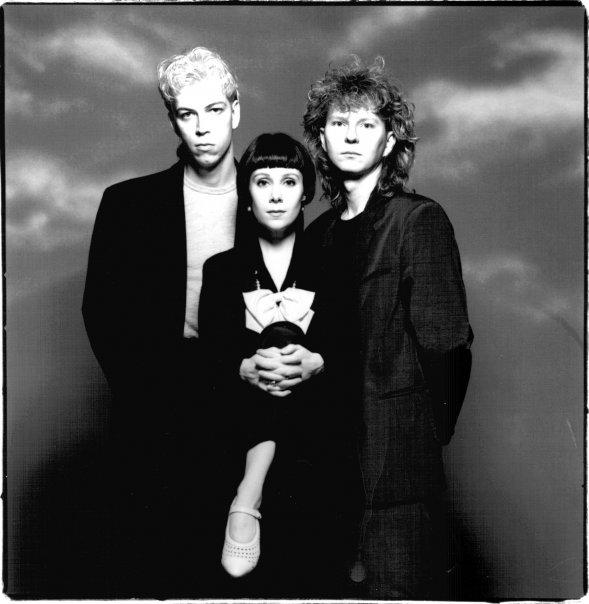
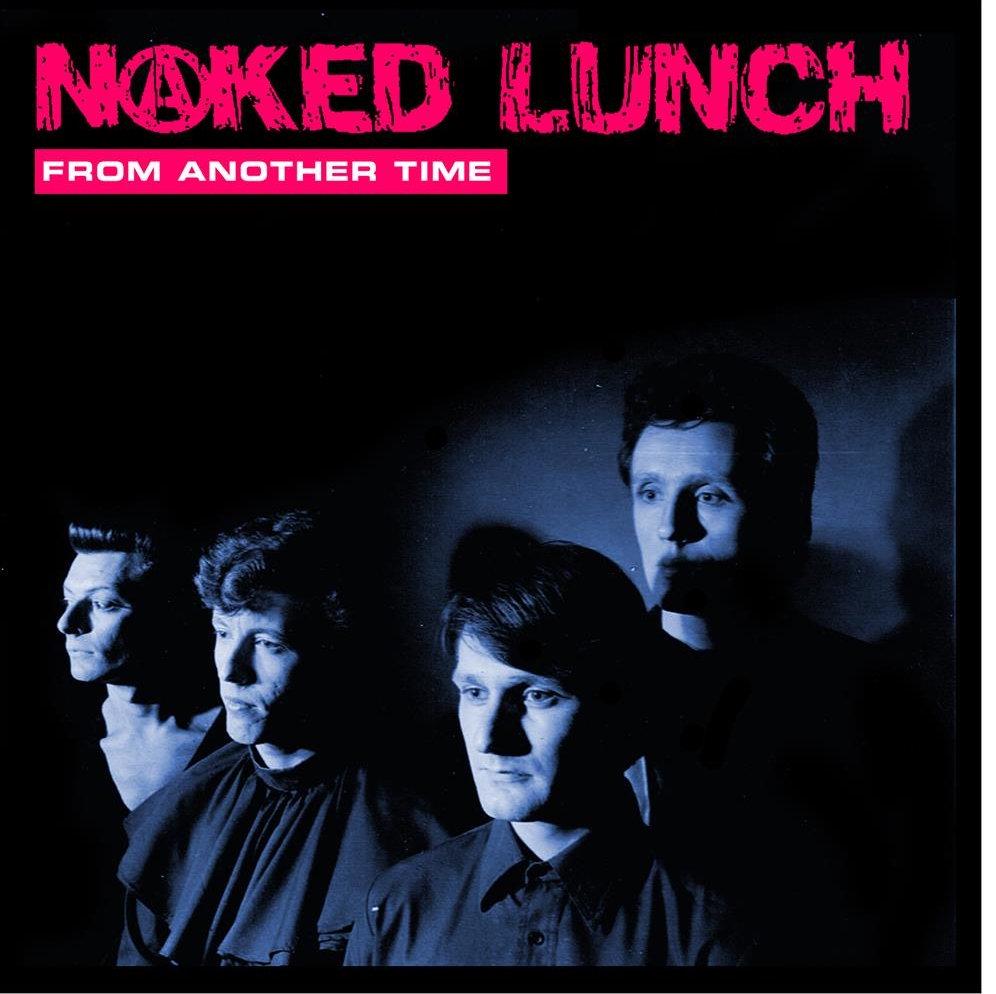
Störung’s Spotify BioStörung emerged in 1981 when two young visionaries from the Netherlands, Eugenius and Arian Brunwin, introduced the world to their distinctive blend of experimental Minimal and Cold Wave. Their sound defined a unique corner of the 1980s underground scene, both through studio recordings and electrifying live performances. In 1982, Störung released their debut album, This Is Future, cementing their place in the avant-garde music landscape. The band officially disbanded in 1988, entering a long period of dormancy. Fast forward to 2005: renewed interest in Störung’s legacy inspired Eugenius to revive the project. Classic material was reissued by various record labels, and in 2009, Störung (now stylized as Storung) began preparing for live shows with a fresh lineup:
Vocals: Noveria
Guitars: Eugenius
Bass: Giovanni Beck (later replaced by Robowave)
Drums: Kirsten Stephanie Menzel
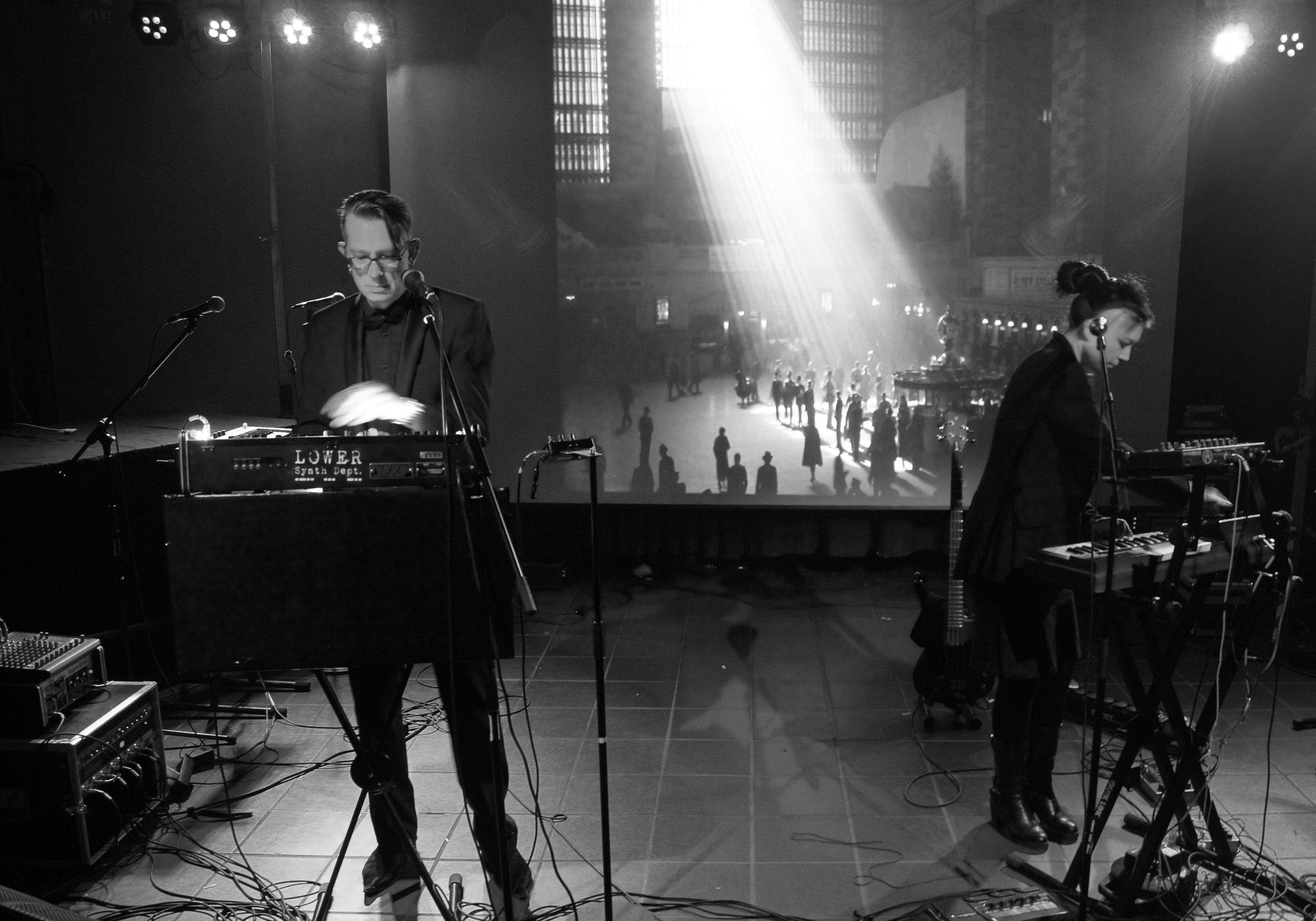
While retaining its Minimal and Cold Wave roots, Storung evolved toward a heavier, industrial-driven sound. By 2011,… marking 30 years since inception, Störung transitioned into a studio-focused project, releasing singles that paved the way for the full-length album Sharpen the Metal in 2018. Since 2021, Störung has collaborated with Cyber Doll Morrigan for visuals and promotional artistry.
In 2025, Störung gave birth to two spin-off artists: Bradley Eru and Arian Brunwin, pushing the boundaries of creativity into the digital age.
Viberate is a music analytics platform built for A&Rs, artist managers, labels, booking agents, marketers, and artists.
It helps music professionals track artist growth, analyze audience data, monitor playlist activity, compare artists, follow song performance, and identify opportunities across the music market.
Public artist pages provide a free preview of selected artist data. Paid plans provide access to deeper analytics, historical data, charts, comparisons, playlist tools, exports, alerts, reports, and additional professional features.
Yes. Public Viberate artist pages provide selected artist analytics and music data for free.
Viberate also offers a 7-day free trial of the full platform. A credit card is required to start the trial. The trial includes access to the complete product so users can test deeper artist analytics, historical views, playlist insights, comparisons, charts, exports, alerts, and reporting features before choosing a paid plan.
Viberate provides artist analytics across streaming, playlists, social media, video, radio airplay, songs, and audience markets.
Users can analyze Spotify performance, Spotify and Apple Music playlists, YouTube activity, TikTok and Instagram growth, radio spins, song performance, audience locations, demographics, rankings, and overall artist momentum.
Artist profiles also connect to music charts, similar artists, and comparison tools, helping users benchmark performance and evaluate artists in context.
Viberate updates key artist and track data daily.
For followed artists and tracks, selected data is refreshed multiple times per day. This helps teams monitor playlist changes, streaming movement, audience growth, releases, and campaign performance with more current data.
Update frequency can vary depending on the metric and data source.
Yes. Viberate lets users compare up to five artists side by side across streaming, social media, audience, and engagement metrics.
Users can compare fanbase growth, audience demographics, locations, Spotify performance, social metrics, and other artist data over selected time periods.
Artist comparison can be used for A&R scouting, benchmarking, booking decisions, campaign planning, and evaluating artists with similar audiences or market positions.