Stormhunter


Metal
Power Metal
 Viberate Rank: 477828
 Viberate Rank: 477828
 Monthly ListenersFollowers
 Subscribers
 Followers
 Followers
 FansTop Spotify Songs
| Track | 7-Day Streams | |
|---|---|---|
1 | 12 | |
2 | 7 | |
3 | 6 | |
4 | 5 | |
5 | 5 |
Top YouTube VideosMonthly ListenersFeatured in Playlists| Playlist | Followers | |
|---|---|---|
1 | Power Metal - Ultimate Mix Kim Arefäll | 3.15K |
2 |  Best of Power Metal rikkukun | 2.64K |
3 |  Power Metal 2026 Latest Releases RAPU | 1.97K |
4 | Power Metal / Symphonic 900+ Kris Snyder | 1.24K |
Audience| City | Monthly Listeners | |
|---|---|---|
1 | | 3 |
See full performance history, audience data, playlist activity, rankings, comparisons, and more in Viberate music analytics. Start with a free trial, then continue with a paid plan.
Stormhunter’s Spotify BioStormhunter was founded in 1998 by guitar players Stefan Müller and Achim Heinzelmann. After releasing their first demo tape "First Battle" in 2001 , Stormhunter appeared on two compilations: "The Reaper Comes" (Heavy Horses Records) and "United We Are" (Métal Intégral). In 2002, Stefan Müller (last founding member), decided to leave the band while the other members took a new direction after changing the band's name to Subsphere.
In 2007 Stefan Müller reactivated the band and wrote new songs in the classic German Heavy/Power Metal style for the band's debut album "Stormhunter" from 2009. The ssecond album titled "Crime And Punishment" was released in 2011 by Emanes Metal Records in Europe and Spiritual Beast Records in Japan.
The third studio album titled "An Eye For An I" came out in November 2014, including 12 songs kept in best German Metal tradition, with both catchy melodies and choruses, and aggressive (but melodic) vocals.
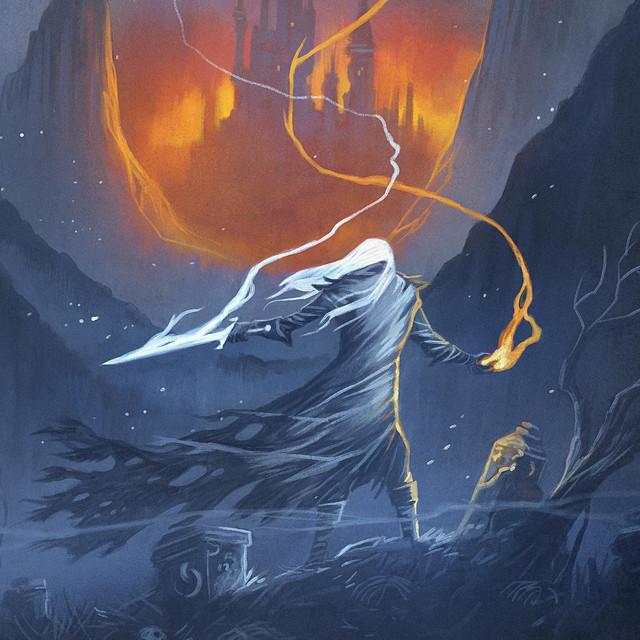
In 2020 Stormhunter are back with their 4 track EP "Ready… For Boarding". For the first time, a Stormhunter release will feature a cover song. Again, the recording was made at Iguana Studios with Christoph Brandes, who also did the mix and mastering. The artwork is by Timon Kokott.Line-Up:
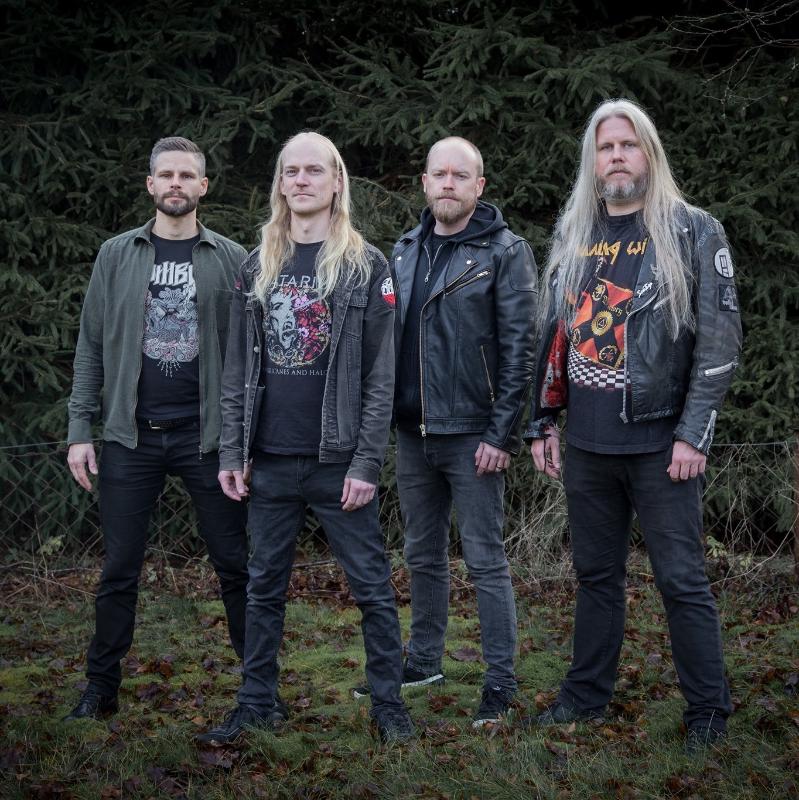
Frank Urschler: vocals
Andreas Kiechle: drums
Fritz: bass
Stefan Müller: guitar
Burkhard Ulrich: guitar
Viberate is a music analytics platform built for A&Rs, artist managers, labels, booking agents, marketers, and artists.
It helps music professionals track artist growth, analyze audience data, monitor playlist activity, compare artists, follow song performance, and identify opportunities across the music market.
Public artist pages provide a free preview of selected artist data. Paid plans provide access to deeper analytics, historical data, charts, comparisons, playlist tools, exports, alerts, reports, and additional professional features.
Yes. Public Viberate artist pages provide selected artist analytics and music data for free.
Viberate also offers a 7-day free trial of the full platform. A credit card is required to start the trial. The trial includes access to the complete product so users can test deeper artist analytics, historical views, playlist insights, comparisons, charts, exports, alerts, and reporting features before choosing a paid plan.
Viberate provides artist analytics across streaming, playlists, social media, video, radio airplay, songs, and audience markets.
Users can analyze Spotify performance, Spotify and Apple Music playlists, YouTube activity, TikTok and Instagram growth, radio spins, song performance, audience locations, demographics, rankings, and overall artist momentum.
Artist profiles also connect to music charts, similar artists, and comparison tools, helping users benchmark performance and evaluate artists in context.
Viberate updates key artist and track data daily.
For followed artists and tracks, selected data is refreshed multiple times per day. This helps teams monitor playlist changes, streaming movement, audience growth, releases, and campaign performance with more current data.
Update frequency can vary depending on the metric and data source.
Yes. Viberate lets users compare up to five artists side by side across streaming, social media, audience, and engagement metrics.
Users can compare fanbase growth, audience demographics, locations, Spotify performance, social metrics, and other artist data over selected time periods.
Artist comparison can be used for A&R scouting, benchmarking, booking decisions, campaign planning, and evaluating artists with similar audiences or market positions.