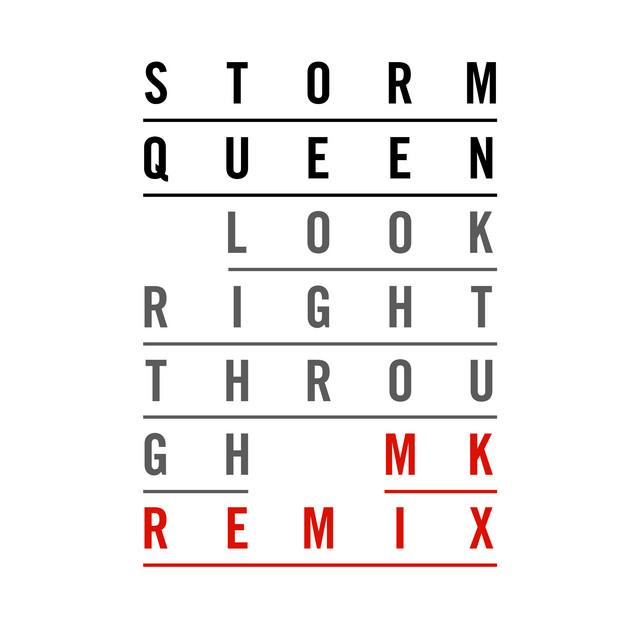
Storm Queen

Electronic
House
Disco house
 Viberate Rank: 41751
 Viberate Rank: 41751
 Monthly ListenersFollowers
 Subscribers
 Followers
 Followers
 FansTop Spotify Songs
| Track | 7-Day Streams | |
|---|---|---|
1 | 173.44K | |
2 | 41.55K | |
3 | 29.84K | |
4 | 2.83K | |
5 | 834 |
Top YouTube VideosMonthly ListenersFeatured in Playlists| Playlist | Followers | |
|---|---|---|
1 |  IBIZA CLASSICS 🍹1990-2026 Lounge & Restaurant | 220.32K |
2 | 2000s party hits Katie-Bea Robinson | 205.43K |
3 |  Ibiza Anthems | Ministry of Sound Ministry of Sound | 124.05K |
4 |  Summer Vibes 2022 🌴 Summer Mix, Beach Songs, Sommerhits Dacoda | 123.86K |
5 |  Eletrônica relaxante Remix Internacionais | 113.96K |
Audience| City | Monthly Listeners | |
|---|---|---|
1 |  | 42.47K |
2 | | 32.22K |
3 | | 16.05K |
4 |  | 15.10K |
5 | | 15.02K |
See full performance history, audience data, playlist activity, rankings, comparisons, and more in Viberate music analytics. Start with a free trial, then continue with a paid plan.
Storm Queen’s Spotify BioStorm Queen is one of several outlets for Morgan Geist, a producer active since a Detroit techno-inspired 1994 EP released on Dan Curtin's Metamorphic label. During the late '90s and early 2000s, Geist's profile increased significantly as one-half of Metro Area, a duo that -- along with friend Daniel Wang -- preceded the dance music underground's discovery of early-'80s post-disco. For Storm Queen, Geist involved Damon C. Scott -- son of early Earth, Wind & Fire vocalist Sherry Scott -- a busker he encountered in New York City's subway. Beside Scott, a powerful and energizing vocalist in the manner of the Gap Band's Charlie Wilson, Geist aimed to make modern, disco-rooted house music with analog gear. The singles "Look Right Through" (2010), "It Goes On" (2011), and "Let's Make Mistakes" (2012), all issued on Geist's Environ label, were all well received. The debut was licensed to England's Defected, which issued a pair of EPs with remixes from Jamie Jones, Art Department, Aeroplane, D…imitri from Paris, and MK (veteran producer and Detroit native Marc Kinchen). In November 2013, an edit of the MK vocal remix dethroned Eminem's "The Monster" as the number one hit on the U.K. Singles Chart -- certainly one of the least predictable commercial breakthroughs within any genre. ~ Andy Kellman, Rovi
Viberate is a music analytics platform built for A&Rs, artist managers, labels, booking agents, marketers, and artists.
It helps music professionals track artist growth, analyze audience data, monitor playlist activity, compare artists, follow song performance, and identify opportunities across the music market.
Public artist pages provide a free preview of selected artist data. Paid plans provide access to deeper analytics, historical data, charts, comparisons, playlist tools, exports, alerts, reports, and additional professional features.
Yes. Public Viberate artist pages provide selected artist analytics and music data for free.
Viberate also offers a 7-day free trial of the full platform. A credit card is required to start the trial. The trial includes access to the complete product so users can test deeper artist analytics, historical views, playlist insights, comparisons, charts, exports, alerts, and reporting features before choosing a paid plan.
Viberate provides artist analytics across streaming, playlists, social media, video, radio airplay, songs, and audience markets.
Users can analyze Spotify performance, Spotify and Apple Music playlists, YouTube activity, TikTok and Instagram growth, radio spins, song performance, audience locations, demographics, rankings, and overall artist momentum.
Artist profiles also connect to music charts, similar artists, and comparison tools, helping users benchmark performance and evaluate artists in context.
Viberate updates key artist and track data daily.
For followed artists and tracks, selected data is refreshed multiple times per day. This helps teams monitor playlist changes, streaming movement, audience growth, releases, and campaign performance with more current data.
Update frequency can vary depending on the metric and data source.
Yes. Viberate lets users compare up to five artists side by side across streaming, social media, audience, and engagement metrics.
Users can compare fanbase growth, audience demographics, locations, Spotify performance, social metrics, and other artist data over selected time periods.
Artist comparison can be used for A&R scouting, benchmarking, booking decisions, campaign planning, and evaluating artists with similar audiences or market positions.