STORK

Rock
Indie Rock
Garage Rock
Progressive Metal
 Viberate Rank: 451161
 Viberate Rank: 451161
 Monthly ListenersFollowers
 Subscribers
 Followers
 Followers
 FansTop Spotify Songs
| Track | 7-Day Streams | |
|---|---|---|
1 | 479 | |
2 | 180 | |
3 | 154 | |
4 | 46 | |
5 | 25 |
Top YouTube VideosMonthly ListenersFeatured in Playlists| Playlist | Followers | |
|---|---|---|
1 |  homegrown surf and indie ! sage <3 | 8.28K |
2 | Garage Rock Joe | 7.09K |
3 |  obscure gems sheyla saric | 6.40K |
4 |  SURF PUNK d_ken23 | 3.89K |
5 |  Australian Punk Victor Daufenbach | 3.44K |
Audience| City | Monthly Listeners | |
|---|---|---|
1 | | 184 |
2 | | 168 |
3 | | 162 |
4 | | 148 |
5 | | 95 |
See full performance history, audience data, playlist activity, rankings, comparisons, and more in Viberate music analytics. Start with a free trial, then continue with a paid plan.
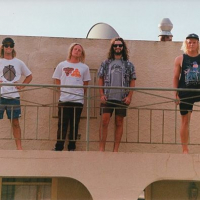
STORK’s Spotify BioLocal legends and mid-coast spooks – STORK have so far managed to defy expectations in their relatively short career, which has seen them support the likes of Skegss, Hockey Dad, Goons of Doom and Verge Collection.
Raised on a diet of salt, sand and the occasional snag, Stork take influence from Aussie acts including Bad//Dreems, SKEGSS and Drunk Mums as well as international outfits like The Black Lips and FIDLAR. Add to this a healthy appreciation for classic acts such as The Boss and this sees Stork unleash a healthy blend of punk/surf/garage rock.
Stork formed on a summers day in 2015 during some time out of the water, when four mates decided to bash a few instruments around over a couple of West End cans – to which they fondly dedicate their song “Best Friend”. The name ‘Stork’ came about after Bassist Stokesy misspelt his own name whilst attempting to pimp out a surfboard – a mistake anyone could make he insists.
Beloved for their fast-paced, punk tunes which include an ode to lead… singer Pat’s terrier – “Maggie is a Jack Russel”, Stork produce an enormous sense of energy and excitability.
With a spate of music ready to be released, there’s no better time to drop in on the party wave that is STORK.
Viberate is a music analytics platform built for A&Rs, artist managers, labels, booking agents, marketers, and artists.
It helps music professionals track artist growth, analyze audience data, monitor playlist activity, compare artists, follow song performance, and identify opportunities across the music market.
Public artist pages provide a free preview of selected artist data. Paid plans provide access to deeper analytics, historical data, charts, comparisons, playlist tools, exports, alerts, reports, and additional professional features.
Yes. Public Viberate artist pages provide selected artist analytics and music data for free.
Viberate also offers a 7-day free trial of the full platform. A credit card is required to start the trial. The trial includes access to the complete product so users can test deeper artist analytics, historical views, playlist insights, comparisons, charts, exports, alerts, and reporting features before choosing a paid plan.
Viberate provides artist analytics across streaming, playlists, social media, video, radio airplay, songs, and audience markets.
Users can analyze Spotify performance, Spotify and Apple Music playlists, YouTube activity, TikTok and Instagram growth, radio spins, song performance, audience locations, demographics, rankings, and overall artist momentum.
Artist profiles also connect to music charts, similar artists, and comparison tools, helping users benchmark performance and evaluate artists in context.
Viberate updates key artist and track data daily.
For followed artists and tracks, selected data is refreshed multiple times per day. This helps teams monitor playlist changes, streaming movement, audience growth, releases, and campaign performance with more current data.
Update frequency can vary depending on the metric and data source.
Yes. Viberate lets users compare up to five artists side by side across streaming, social media, audience, and engagement metrics.
Users can compare fanbase growth, audience demographics, locations, Spotify performance, social metrics, and other artist data over selected time periods.
Artist comparison can be used for A&R scouting, benchmarking, booking decisions, campaign planning, and evaluating artists with similar audiences or market positions.