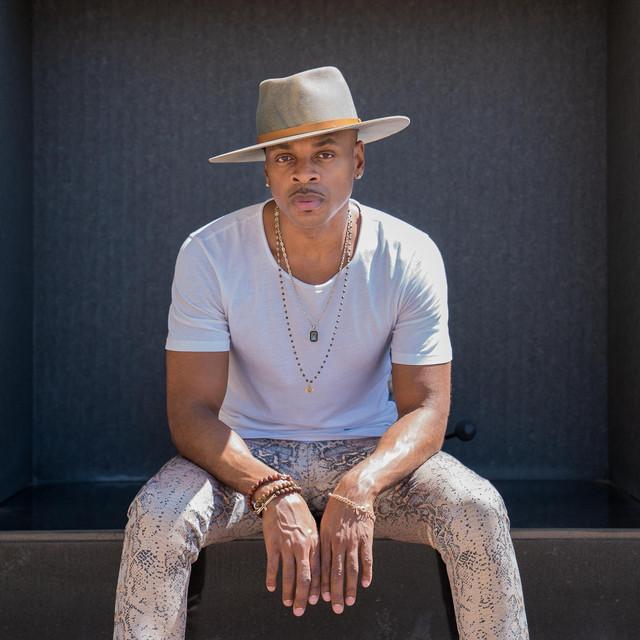
Stokley

R&B
Contemporary R&B
Neo Soul
 Viberate Rank: 39235
 Viberate Rank: 39235
 Monthly ListenersFollowers
 Subscribers
 Followers
 Followers
 FansTop Spotify Songs
| Track | 7-Day Streams | |
|---|---|---|
1 | 26.89K | |
2 | 10.99K | |
3 | 9.73K | |
4 | 4.94K | |
5 | 4.61K |
Top YouTube VideosMonthly ListenersFeatured in Playlists| Playlist | Followers | |
|---|---|---|
1 |  R&B Christmas Spotify | 235.40K |
2 | SOULFUL CHRISTMAS MUSIC japcdp | 29.23K |
3 | Neo Soul Music David Credle | 28.33K |
4 | R&B Christmas Jamz (Christmas R&B, Hip-Hop, and Holiday Soul) 1214292915 | 22.22K |
5 |  ALBUMS THAT...; (a tiktok series) TheRemiMartinShow | 18.00K |
Audience| City | Monthly Listeners | |
|---|---|---|
1 | | 1.61K |
2 | | 1.30K |
3 | | 1.26K |
4 | | 1.14K |
5 | | 1.11K |
See full performance history, audience data, playlist activity, rankings, comparisons, and more in Viberate music analytics. Start with a free trial, then continue with a paid plan.
Stokley’s Spotify BioA seasoned R&B singer and instrumentalist, Stokley enjoyed nearly a quarter-century of success with the group Mint Condition before he made his debut as a solo artist. Stokley Williams was born in St. Paul, Minnesota on July 15, 1967. Williams' father was a respected scholar in African studies, and the youngster began learning to play percussion instruments at the age of four. By the early '80s, Williams co-founded Mint Condition with a handful of high school friends, singing lead and playing drums. After years of playing locally, the band landed a break in 1989 when they were discovered by Minneapolis R&B titans Jimmy Jam and Terry Lewis, who saw them playing a local showcase. Impressed by their New Jack Swing style, Jam and Lewis helped Mint Condition score a record deal, and their debut album, 1991's Meant to Be Mint, scored a pair of hit singles, "(Breaking My Heart) Pretty Brown Eyes" and "Forever in Your Eyes," and the group released a steady stream of material from the early… '90s well into the 21st century. It didn't take long for Williams to earn a reputation as a versatile talent outside of the group. By 1995, his résumé included vocal and percussion credits on albums by Janet Jackson, Sounds of Blackness, Johnny Gill, and Color Me Badd, and later he'd work with the likes of Prince, Elton John, and Toni Braxton. Williams received a Grammy nomination in the category of Best R&B Performance for his 2011 duet with Kelly Price on the song "Not My Daddy," and he contributed production and vocals to Wale's 2013 album The Gifted, as well as 2015's The Album About Nothing. In 2017, Williams made his long awaited solo debut, billing himself simply as Stokley; the album, Introducing Stokley, was released by Concord in June of that year. ~ Mark Deming, Rovi
Viberate is a music analytics platform built for A&Rs, artist managers, labels, booking agents, marketers, and artists.
It helps music professionals track artist growth, analyze audience data, monitor playlist activity, compare artists, follow song performance, and identify opportunities across the music market.
Public artist pages provide a free preview of selected artist data. Paid plans provide access to deeper analytics, historical data, charts, comparisons, playlist tools, exports, alerts, reports, and additional professional features.
Yes. Public Viberate artist pages provide selected artist analytics and music data for free.
Viberate also offers a 7-day free trial of the full platform. A credit card is required to start the trial. The trial includes access to the complete product so users can test deeper artist analytics, historical views, playlist insights, comparisons, charts, exports, alerts, and reporting features before choosing a paid plan.
Viberate provides artist analytics across streaming, playlists, social media, video, radio airplay, songs, and audience markets.
Users can analyze Spotify performance, Spotify and Apple Music playlists, YouTube activity, TikTok and Instagram growth, radio spins, song performance, audience locations, demographics, rankings, and overall artist momentum.
Artist profiles also connect to music charts, similar artists, and comparison tools, helping users benchmark performance and evaluate artists in context.
Viberate updates key artist and track data daily.
For followed artists and tracks, selected data is refreshed multiple times per day. This helps teams monitor playlist changes, streaming movement, audience growth, releases, and campaign performance with more current data.
Update frequency can vary depending on the metric and data source.
Yes. Viberate lets users compare up to five artists side by side across streaming, social media, audience, and engagement metrics.
Users can compare fanbase growth, audience demographics, locations, Spotify performance, social metrics, and other artist data over selected time periods.
Artist comparison can be used for A&R scouting, benchmarking, booking decisions, campaign planning, and evaluating artists with similar audiences or market positions.