Stewart Walker

Electronic
Downtempo
Minimal Techno
 Viberate Rank: 337348
 Viberate Rank: 337348
 Monthly ListenersFollowers
 Subscribers
 Followers
 Followers
 FansTop Spotify Songs
| Track | 7-Day Streams | |
|---|---|---|
1 | 172 | |
2 | 156 | |
3 | 90 | |
4 | 53 | |
5 | 47 |
Top YouTube VideosMonthly ListenersFeatured in Playlists| Playlist | Followers | |
|---|---|---|
1 |  MG MG | 3.82K |
2 |  Selectors: Nicolas Lutz, Francesco Del Garda & Many Other Gurus Paul Lacroix | 3.51K |
3 |  DJ Masda IDs Louis O'Keefe | 2.97K |
4 |  Enter The Dub Tom Grønås | 2.82K |
5 |  Not That Simple Sound (Downtempo + Lounge + Triphop + Electronica) Chillkyway.net | 1.92K |
Audience| City | Monthly Listeners | |
|---|---|---|
1 |  | 70 |
2 |  | 59 |
3 |  | 40 |
4 |  | 27 |
5 |  | 26 |
See full performance history, audience data, playlist activity, rankings, comparisons, and more in Viberate music analytics. Start with a free trial, then continue with a paid plan.
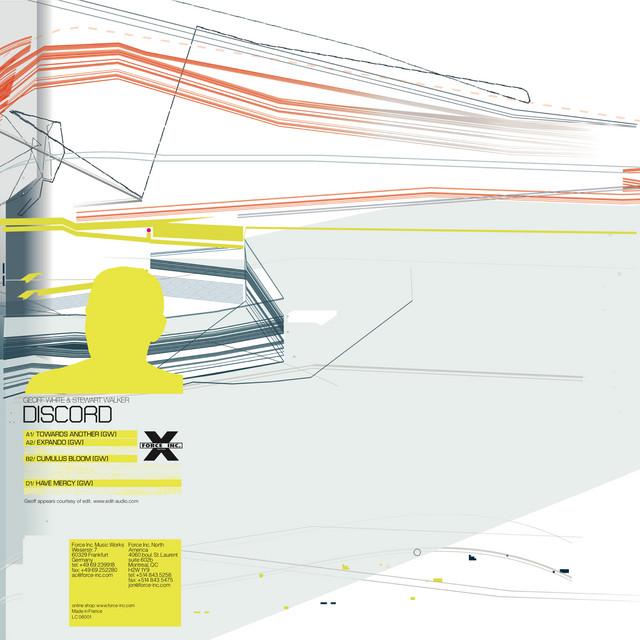
Stewart Walker’s Spotify BioSound sculpture is an overused analogy in music circles, especially techno, but it becomes a fitting term to use for the productions of Stewart Walker. Influenced by the work of Alexander Calder, a sculptor of large outdoor pieces called "stabile" (abstract mobile-like pieces made of sheet metal), Walker composed a set of stark, hypnotic tracks of minimalist techno for his first full-length, released on Mille Plateaux in 1999. Growing up in Atlanta, Walker listened to the Beatles and played guitar in a folk style learned from his parents, who had played in a folk group during the '60s. He moved on to alternative rock in the '80s, then fell in love with the first wave of intelligent techno during the early '90s, artists like 808 State, LFO, Aphex Twin, and the Orb. After a post-graduation visit to England in 1992, Walker fell into the burgeoning techno underground and began experimenting with electronics by the mid-'90s. Walker made contacts around the world via e-mail and phone,… releasing his first material, the 1997 single "Amphetamine Sulphate," via Detroiter Sean Deason's Matrix Records. A year after that, he earned an EP release, Artificial Music for Artificial People, on Cristian Vogel's Mosquito label. Another single for Matrix ("Stoic") preceded the release of Stabiles in 1999, on Mille Plateaux, which initiated a series of full-length releases. Walker collected various compilation tracks among a few unreleased items for the Reclamation: 1997-1999 collection. 2003's Discord (with Geoff White) and Live Extracts, 2005's Grounded in Existence, and 2007's Concentricity followed. ~ John Bush, Rovi
Viberate is a music analytics platform built for A&Rs, artist managers, labels, booking agents, marketers, and artists.
It helps music professionals track artist growth, analyze audience data, monitor playlist activity, compare artists, follow song performance, and identify opportunities across the music market.
Public artist pages provide a free preview of selected artist data. Paid plans provide access to deeper analytics, historical data, charts, comparisons, playlist tools, exports, alerts, reports, and additional professional features.
Yes. Public Viberate artist pages provide selected artist analytics and music data for free.
Viberate also offers a 7-day free trial of the full platform. A credit card is required to start the trial. The trial includes access to the complete product so users can test deeper artist analytics, historical views, playlist insights, comparisons, charts, exports, alerts, and reporting features before choosing a paid plan.
Viberate provides artist analytics across streaming, playlists, social media, video, radio airplay, songs, and audience markets.
Users can analyze Spotify performance, Spotify and Apple Music playlists, YouTube activity, TikTok and Instagram growth, radio spins, song performance, audience locations, demographics, rankings, and overall artist momentum.
Artist profiles also connect to music charts, similar artists, and comparison tools, helping users benchmark performance and evaluate artists in context.
Viberate updates key artist and track data daily.
For followed artists and tracks, selected data is refreshed multiple times per day. This helps teams monitor playlist changes, streaming movement, audience growth, releases, and campaign performance with more current data.
Update frequency can vary depending on the metric and data source.
Yes. Viberate lets users compare up to five artists side by side across streaming, social media, audience, and engagement metrics.
Users can compare fanbase growth, audience demographics, locations, Spotify performance, social metrics, and other artist data over selected time periods.
Artist comparison can be used for A&R scouting, benchmarking, booking decisions, campaign planning, and evaluating artists with similar audiences or market positions.