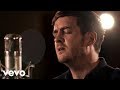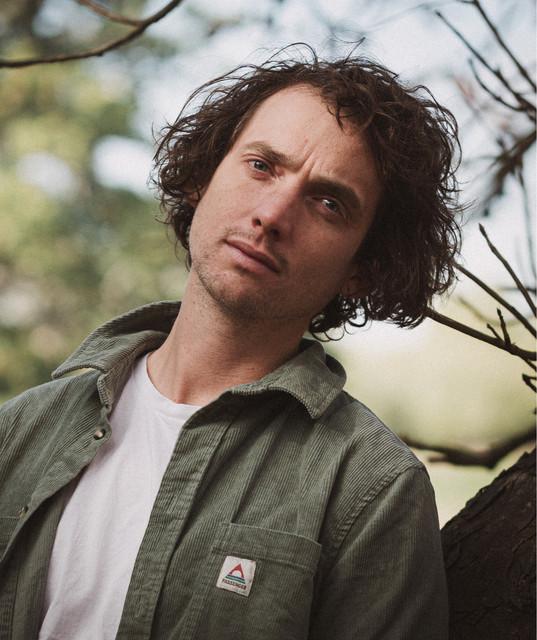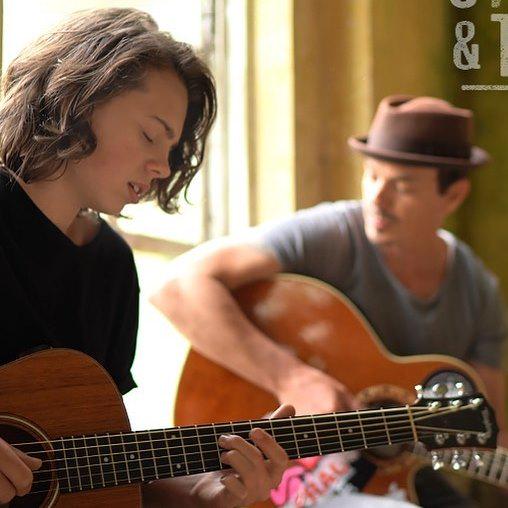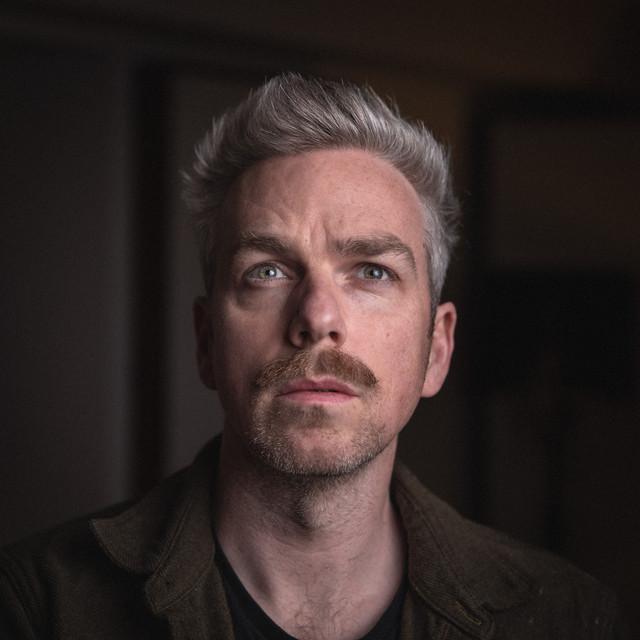
Stevie McCrorie

Pop
Mainstream Pop
Folk Rock
Alternative Rock
 Viberate Rank: 81433
 Viberate Rank: 81433
 Monthly ListenersFollowers
 Subscribers
 Followers
 Followers
 FansTop Spotify Songs
| Track | 7-Day Streams | |
|---|---|---|
1 | 10.35K | |
2 | 3.33K | |
3 | 970 | |
4 | 776 | |
5 | 559 |
Top YouTube VideosMonthly ListenersFeatured in Playlists| Playlist | Followers | |
|---|---|---|
1 |  ALL TIME CLASSICS | | My Forever Favorites Damian Habraken | 57.86K |
2 |  crunchy granola rynpierce | 17.55K |
3 | UK Top 40 2015 1155291020 | 11.19K |
4 | In My Head Hannes.vibes | 9.72K |
5 | Wonderwall JJ Gomez | 9.58K |
Audience| City | Monthly Listeners | |
|---|---|---|
1 | | 1.10K |
2 | | 1.00K |
3 | | 619 |
4 |  | 564 |
5 |  | 457 |
See full performance history, audience data, playlist activity, rankings, comparisons, and more in Viberate music analytics. Start with a free trial, then continue with a paid plan.
Stevie McCrorie’s Spotify BioScottish singer/songwriter Stevie McCrorie was working as a fireman when his 2015 win on the fourth season of U.K. TV talent contest The Voice propelled him to instant stardom. His warm, high, powerful, slightly raspy tenor and boy-next-door good looks made him an early favorite and, performing a mix of classic pop and rock and contemporary indie -- including songs by U2, Cyndi Lauper, and the Faces -- he impressed judges and public alike and eventually triumphed in the final over Irish operatic soprano Lucy O'Byrne.
McCrorie's was not an overnight success, however. Born on March 23, 1985 in Stirling and brought up on a council estate in nearby Denny, he came to music early, distinguishing himself from his parents and three siblings, who had never shown any kind of musical ability. While still at school, he taught himself guitar and formed the band Scruffy Kid, which came second in the Scottish Schools Battle of the Bands competition. A string of stints in other bands followed, most… notably Stevie and the Moon, with whom he released one album, These Old Traditions, in 2010. He was interviewed by Jo Whiley on BBC Radio 1 and played some songs, and performed at two of Scotland's highest-profile music festivals, Wickerman and T in the Park, before the group disbanded in 2013.
Following his marriage and the birth of his first child, McCrorie put dreams of stardom behind him, opting for financial stability by retraining as a firefighter. But when his colleagues at Kirkcaldy Fire Station discovered his talent, they entered him -- without his knowledge -- for The Voice. When he was accepted onto the show, the fire service gave him a year's sabbatical to pursue his dream and, as he progressed in the contest, he became increasingly convinced that he could win. McCrorie's debut solo single following his triumph was a cover of Maroon 5 frontman Adam Levine's "Lost Stars," which he had performed on the show. It reached number six on the U.K. singles chart, but the second single, his anthemic original song "My Heart Never Lies," failed to hit the main chart at all, reaching only a pitiable number 51, even in his native Scotland.
His debut solo album, Big World, for which he wrote or co-wrote all the songs, was released by Decca in January 2016. It had an acoustic pop/rock sound, with McCrorie singing in his native accent, bolstered with lush string arrangements and vaguely reminiscent of other Scottish acts such as the Proclaimers, Travis, Idlewild, and Snow Patrol. With typical Scottish realism, McCrorie had declined to give up his day job, recognizing the vagaries of the music industry. In retrospect this was probably a wise move, as the album reached only a relatively disappointing number 35 in the U.K. chart, perhaps due to a notable lack of promotion, which was bemoaned by many fans. ~ John D. Buchanan, Rovi
Viberate is a music analytics platform built for A&Rs, artist managers, labels, booking agents, marketers, and artists.
It helps music professionals track artist growth, analyze audience data, monitor playlist activity, compare artists, follow song performance, and identify opportunities across the music market.
Public artist pages provide a free preview of selected artist data. Paid plans provide access to deeper analytics, historical data, charts, comparisons, playlist tools, exports, alerts, reports, and additional professional features.
Yes. Public Viberate artist pages provide selected artist analytics and music data for free.
Viberate also offers a 7-day free trial of the full platform. A credit card is required to start the trial. The trial includes access to the complete product so users can test deeper artist analytics, historical views, playlist insights, comparisons, charts, exports, alerts, and reporting features before choosing a paid plan.
Viberate provides artist analytics across streaming, playlists, social media, video, radio airplay, songs, and audience markets.
Users can analyze Spotify performance, Spotify and Apple Music playlists, YouTube activity, TikTok and Instagram growth, radio spins, song performance, audience locations, demographics, rankings, and overall artist momentum.
Artist profiles also connect to music charts, similar artists, and comparison tools, helping users benchmark performance and evaluate artists in context.
Viberate updates key artist and track data daily.
For followed artists and tracks, selected data is refreshed multiple times per day. This helps teams monitor playlist changes, streaming movement, audience growth, releases, and campaign performance with more current data.
Update frequency can vary depending on the metric and data source.
Yes. Viberate lets users compare up to five artists side by side across streaming, social media, audience, and engagement metrics.
Users can compare fanbase growth, audience demographics, locations, Spotify performance, social metrics, and other artist data over selected time periods.
Artist comparison can be used for A&R scouting, benchmarking, booking decisions, campaign planning, and evaluating artists with similar audiences or market positions.