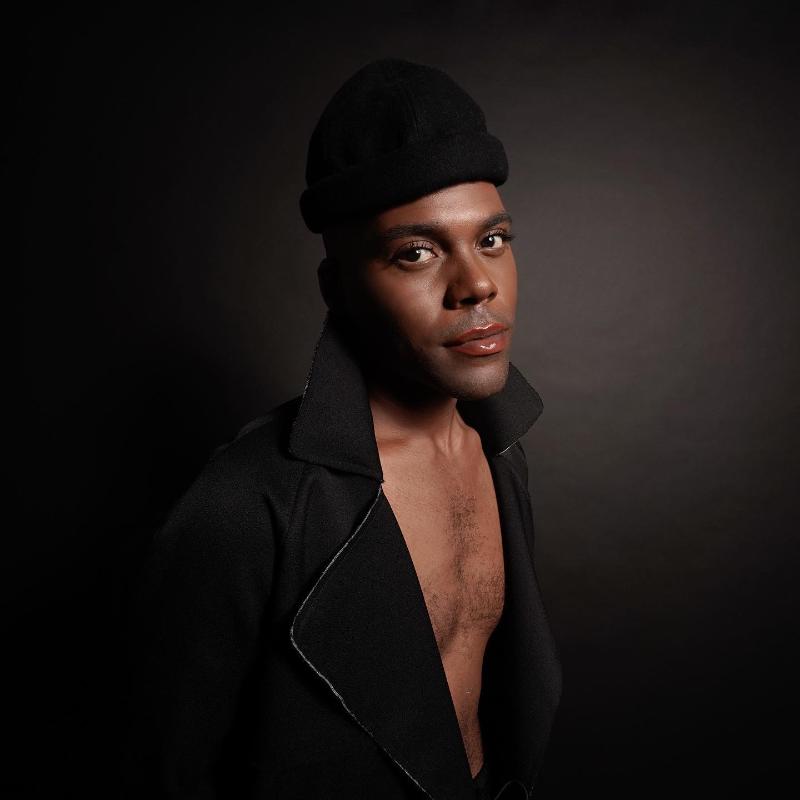
Steven A. Clark

Pop
Indie Pop
Neo Soul
 Viberate Rank: 160290
 Viberate Rank: 160290
 Monthly ListenersFollowers
 Subscribers
 Followers
 Followers
 FansTop Spotify Songs
| Track | 7-Day Streams | |
|---|---|---|
1 | 7.44K | |
2 | 4.47K | |
3 | 786 | |
4 | 616 | |
5 | 542 |
Top YouTube VideosMonthly ListenersFeatured in Playlists| Playlist | Followers | |
|---|---|---|
1 |  Millennial Life Crisis Mike Price | 67.36K |
2 |  NBA 2K18 Soundtrack 2K | 63.95K |
3 |  Headphone Selections by RÜFÜS DU SOL RÜFÜS | 60.27K |
4 |  Techno 2020 Odin Media Group | 57.52K |
5 | Denzel Curry Miro | 40.19K |
Audience| City | Monthly Listeners | |
|---|---|---|
1 |  | 394 |
2 |  | 354 |
3 | | 318 |
4 | | 308 |
5 |  | 301 |
See full performance history, audience data, playlist activity, rankings, comparisons, and more in Viberate music analytics. Start with a free trial, then continue with a paid plan.
Steven A. Clark’s Spotify BioSteven A. Clark classifies himself as pop and fuses strains of contemporary R&B and rock in an accessible fashion that is nonetheless out of step with what's supported by mainstream channels. He initially gained buzz with his 2014 EP, Late, after which he signed with Secretly Canadian and released his 2015 full-length debut, The Lonely Roller.
Born in Little Rock, Arkansas, Clark was raised in Fayetteville, North Carolina, and attended High Point University. Following graduation, he moved to Miami. There, he turned some heads with free digital downloads like Stripes and Fornication Under the Consent of the King. A three-track Late EP was issued in 2014 and introduced his moody, expansive sound and distinctive voice to a wider audience. It also helped land him a deal with the Secretly Canadian label. The following year, the EP's stellar lead track figured prominently on an album of the same title, The Lonely Roller. In 2018, he delivered the full-length Where Neon Goes to Die, which… featured co-production by Ape Drums, and included the track "Feel This Way." In 2019 he issued his introspective third LP Hypervigilant. ~ Andy Kellman, Rovi
Viberate is a music analytics platform built for A&Rs, artist managers, labels, booking agents, marketers, and artists.
It helps music professionals track artist growth, analyze audience data, monitor playlist activity, compare artists, follow song performance, and identify opportunities across the music market.
Public artist pages provide a free preview of selected artist data. Paid plans provide access to deeper analytics, historical data, charts, comparisons, playlist tools, exports, alerts, reports, and additional professional features.
Yes. Public Viberate artist pages provide selected artist analytics and music data for free.
Viberate also offers a 7-day free trial of the full platform. A credit card is required to start the trial. The trial includes access to the complete product so users can test deeper artist analytics, historical views, playlist insights, comparisons, charts, exports, alerts, and reporting features before choosing a paid plan.
Viberate provides artist analytics across streaming, playlists, social media, video, radio airplay, songs, and audience markets.
Users can analyze Spotify performance, Spotify and Apple Music playlists, YouTube activity, TikTok and Instagram growth, radio spins, song performance, audience locations, demographics, rankings, and overall artist momentum.
Artist profiles also connect to music charts, similar artists, and comparison tools, helping users benchmark performance and evaluate artists in context.
Viberate updates key artist and track data daily.
For followed artists and tracks, selected data is refreshed multiple times per day. This helps teams monitor playlist changes, streaming movement, audience growth, releases, and campaign performance with more current data.
Update frequency can vary depending on the metric and data source.
Yes. Viberate lets users compare up to five artists side by side across streaming, social media, audience, and engagement metrics.
Users can compare fanbase growth, audience demographics, locations, Spotify performance, social metrics, and other artist data over selected time periods.
Artist comparison can be used for A&R scouting, benchmarking, booking decisions, campaign planning, and evaluating artists with similar audiences or market positions.