Steve Taylor

Rock
Pop Rock
Christian Music
 Viberate Rank: 200870
 Viberate Rank: 200870
 Monthly ListenersFollowers
 Subscribers
 Followers
 Followers
 FansTop Spotify SongsTop YouTube VideosMonthly ListenersFeatured in Playlists
| Playlist | Followers | |
|---|---|---|
1 |  dazai kinnie but its accurate zero :D I alucardvsp | 19.86K |
2 | Marygenia Dolsa | 15.10K |
3 | 120 Minutes full Archive frankspin | 7.87K |
4 | 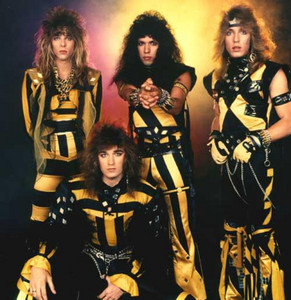 80s Christian Metal/Hard Rock Isaiah Elmasri | 4.53K |
5 |  WOW: VINTAGE WOW I Love Christian Music | 3.42K |
Audience| City | Monthly Listeners | |
|---|---|---|
1 | | 182 |
2 | | 153 |
3 | | 141 |
4 | | 128 |
5 |  | 111 |
See full performance history, audience data, playlist activity, rankings, comparisons, and more in Viberate music analytics. Start with a free trial, then continue with a paid plan.
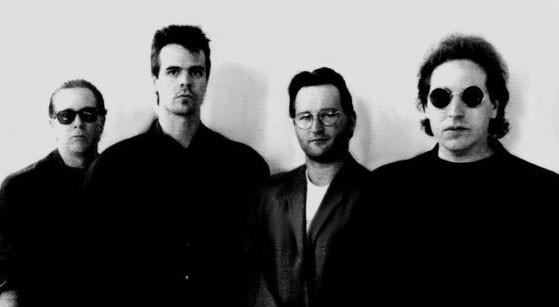
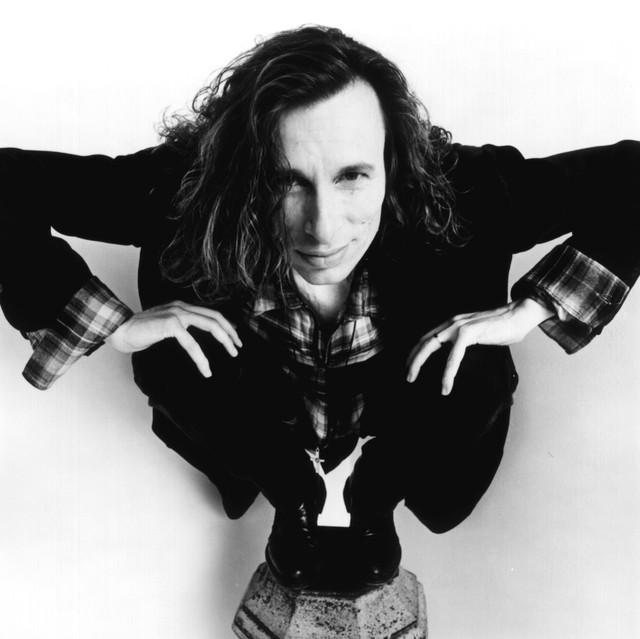
Steve Taylor’s Spotify BioSometimes referred to as the "clown prince of Christian music," singer/guitarist Steve Taylor was one of the first to bring sarcasm and satire to Christian music. Roland Stephen Taylor was born on December 9, 1957, in Brawley, California, but was raised in Denver, Colorado. Taylor didn't begin singing seriously until his college career, when, in 1979, he was first of the 100 chosen from 20,000 applicants for John Davidson's summer camp; Taylor spent a month learning from the likes of Tony Orlando, Florence Henderson, and John Davidson. Despite having firm roots in Christian-based music, Taylor has always been open to other styles; he often points to the Clash's classic London Calling as one of his most important musical discoveries during this time. A demo cassette of original tunes that mixed new wave with gospel gained the attention of several record labels; but before he began work on his debut, Taylor served as an assistant director for the evangelistic singing group, the… Continentals, and as a director for the Christian musical comedy troupe, Chuck Bolte's Jeremiah People.
A solo slot at Cam Floria's Annual Christian Artists Conference in Estes Park, Colorado, during the summer of 1982 resulted in a recording contract with the independent Sparrow label, who issued Taylor's first four releases: the 1983 six-track EP I Want to Be a Clone; a pair of full-length studio efforts, 1984's Meltdown and 1985's On the Fritz; in addition to an in-concert set, Limelight. Taylor then issued perhaps the most controversial album of his career, 1987's I Predict 1990, which included such song titles as "I Blew Up the Clinic Real Good" and "Since I Gave Up Hope I Feel a Lot Better," and due to its hostile reception, led to Taylor taking a sabbatical from Christian music. But Taylor didn't retire from music entirely, as he formed the heavily Clash-influenced group, Chagall Guevara (which also included guitarists Dave Perkins and Lynn Nichols, bassist Wade Jaynes, and drummer Mike Mead) in 1990. But the group only lasted for a single self-titled debut, before splitting up in 1992.
Instead of returning back to solo work immediately, Taylor turned his attention to producing other artists, including several releases for the Australian-based gospel outfit, the Newsboys. Soon after, Taylor decided to restart his solo career, issuing his first solo release in five years, Squint, in 1993, while a Taylor tribute album, I Predict a Clone, appeared around the same time. The mid-'90s saw the release of a double-disc 34-track career retrospective, Now the Truth Can Be Told, as well as an all-new live album, Liver. Taylor continued to produce other acts (Guardian, Sixpence None the Richer, etc.), and has started up his own record label, Squint Entertainment (via Word Records). ~ Greg Prato & Brian Mansfield, Rovi
Viberate is a music analytics platform built for A&Rs, artist managers, labels, booking agents, marketers, and artists.
It helps music professionals track artist growth, analyze audience data, monitor playlist activity, compare artists, follow song performance, and identify opportunities across the music market.
Public artist pages provide a free preview of selected artist data. Paid plans provide access to deeper analytics, historical data, charts, comparisons, playlist tools, exports, alerts, reports, and additional professional features.
Yes. Public Viberate artist pages provide selected artist analytics and music data for free.
Viberate also offers a 7-day free trial of the full platform. A credit card is required to start the trial. The trial includes access to the complete product so users can test deeper artist analytics, historical views, playlist insights, comparisons, charts, exports, alerts, and reporting features before choosing a paid plan.
Viberate provides artist analytics across streaming, playlists, social media, video, radio airplay, songs, and audience markets.
Users can analyze Spotify performance, Spotify and Apple Music playlists, YouTube activity, TikTok and Instagram growth, radio spins, song performance, audience locations, demographics, rankings, and overall artist momentum.
Artist profiles also connect to music charts, similar artists, and comparison tools, helping users benchmark performance and evaluate artists in context.
Viberate updates key artist and track data daily.
For followed artists and tracks, selected data is refreshed multiple times per day. This helps teams monitor playlist changes, streaming movement, audience growth, releases, and campaign performance with more current data.
Update frequency can vary depending on the metric and data source.
Yes. Viberate lets users compare up to five artists side by side across streaming, social media, audience, and engagement metrics.
Users can compare fanbase growth, audience demographics, locations, Spotify performance, social metrics, and other artist data over selected time periods.
Artist comparison can be used for A&R scouting, benchmarking, booking decisions, campaign planning, and evaluating artists with similar audiences or market positions.