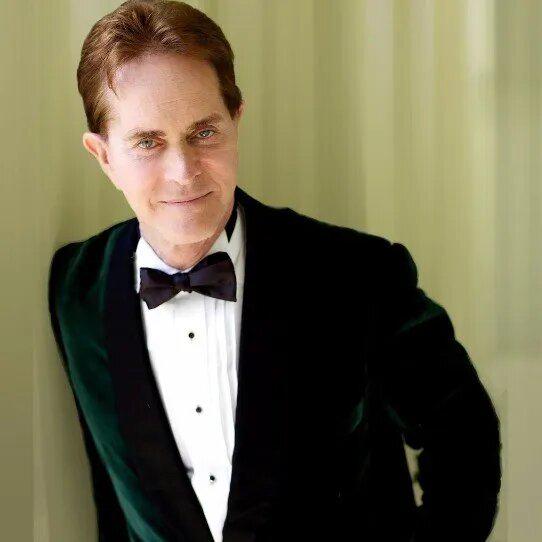
Steve Ross

Jazz
Smooth Jazz
Contemporary Blues
 Viberate Rank: 638072
 Viberate Rank: 638072
 Monthly ListenersFollowers
 Subscribers
 Followers
 Followers
 FansTop Spotify Songs
| Track | 7-Day Streams | |
|---|---|---|
1 | 1.71K | |
2 | 94 | |
3 | 40 | |
4 | 29 | |
5 | 26 |
Top YouTube Videos| Video | 7-Day Views | |
|---|---|---|
1 | 5 | |
2 | 2 | |
3 | 1 | |
4 | 1 |
Monthly ListenersFeatured in Playlists| Playlist | Followers | |
|---|---|---|
1 | CHANTING MANTRAS Christine Perez-Gray | 16.12K |
2 | Ashtanga yoga 1150068645 | 7.54K |
3 | Yoga Indian Chanting Music dnussbaummueller | 7.22K |
4 |  Mantras Meditation ☯️ Relax Meditation Music | 4.55K |
5 |  Santo Daime • Ayahuasca • Xamanismo • Universalismo David Guilmour Pescara | 2.69K |
Audience| City | Monthly Listeners | |
|---|---|---|
1 |  | 80 |
2 |  | 72 |
3 |  | 59 |
4 |  | 54 |
5 |  | 54 |
See full performance history, audience data, playlist activity, rankings, comparisons, and more in Viberate music analytics. Start with a free trial, then continue with a paid plan.
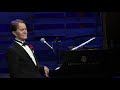
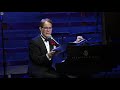
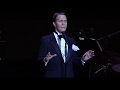
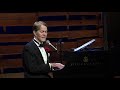
Steve Ross’ Spotify Biob. New Rochelle, New York, USA. Ross was raised in Washington, DC, and heard a lot of music at home, some from his mother who played piano. In due course, he studied piano himself and by the time he had attended Georgetown University, spent a little time in a seminary, and served in the US Army, he had become an accomplished pianist, drawing his repertoire not from contemporary pop but from the Great American Songbook. In the early 70s he settled in New York City where he soon became well known on the city’s cabaret scene. At first a background pianist, he was urged by club owners to sing and gradually began to do this, eventually training as a singer. As his personal style developed, so his reputation spread. Ted Hook, owner of Backstage, a piano bar in the midtown theatre district, hired him. The association was hugely successful and in 1979 Hook opened a new club, Onstage, especially to showcase Ross’ talents. In 1981, Ross was booked into the Oak Room at the Algonquin Hotel where… he played a considerable part in establishing the room as a perennial favourite of artists and customers. At some venues he would find himself accompanying leading entertainers who happened to be in the audience, among them Liza Minnelli and Ginger Rogers. Ross toured Australia in 1986, one of his shows there being recorded at Don Burrows’ Supper Club, and he returned to that country in the late 90s. He has played many festivals, including Perth in Australia, Spoleto in Italy, and Hong Kong. Other international venues include seasons at London’s Ritz Hotel and Pizza On The Park. In 1989, he hosted a live cabaret series for BBC Television, and back in America was host of New York Cabaret Nights, a series for National Public Radio.
Ross maintained his popularity and high standards through the 90s and into the early 00s. In the winter of 1996/7, he appeared in a revival of Noël Coward’s Present Laughter at the Walter Kerr Theatre; the show, which starred Frank Langella, ran for 175 performances. At New York’s Stanhope Park Hyatt Hotel in the winter of 2003/4 he presented a new cabaret show, My Manhattan, an elegant portrait of a hundred years of the city’s life seen through song. Ross’ repertoire draws from the work of songwriters past and present, such as George Gershwin, Cole Porter, with whose work he has a special affinity, Richard Rodgers and Lorenz Hart, and Stephen Sondheim. He has appeared with stride pianist Judy Carmichael, performing a show entitled Style Meets Stride that featured the music of Porter and Fats Waller. Ross sings in a light baritone voice, playing the piano with verve. For several years, he has been referred to as ‘the Crown Prince of New York Cabaret’, an unofficial but merited title.
Viberate is a music analytics platform built for A&Rs, artist managers, labels, booking agents, marketers, and artists.
It helps music professionals track artist growth, analyze audience data, monitor playlist activity, compare artists, follow song performance, and identify opportunities across the music market.
Public artist pages provide a free preview of selected artist data. Paid plans provide access to deeper analytics, historical data, charts, comparisons, playlist tools, exports, alerts, reports, and additional professional features.
Yes. Public Viberate artist pages provide selected artist analytics and music data for free.
Viberate also offers a 7-day free trial of the full platform. A credit card is required to start the trial. The trial includes access to the complete product so users can test deeper artist analytics, historical views, playlist insights, comparisons, charts, exports, alerts, and reporting features before choosing a paid plan.
Viberate provides artist analytics across streaming, playlists, social media, video, radio airplay, songs, and audience markets.
Users can analyze Spotify performance, Spotify and Apple Music playlists, YouTube activity, TikTok and Instagram growth, radio spins, song performance, audience locations, demographics, rankings, and overall artist momentum.
Artist profiles also connect to music charts, similar artists, and comparison tools, helping users benchmark performance and evaluate artists in context.
Viberate updates key artist and track data daily.
For followed artists and tracks, selected data is refreshed multiple times per day. This helps teams monitor playlist changes, streaming movement, audience growth, releases, and campaign performance with more current data.
Update frequency can vary depending on the metric and data source.
Yes. Viberate lets users compare up to five artists side by side across streaming, social media, audience, and engagement metrics.
Users can compare fanbase growth, audience demographics, locations, Spotify performance, social metrics, and other artist data over selected time periods.
Artist comparison can be used for A&R scouting, benchmarking, booking decisions, campaign planning, and evaluating artists with similar audiences or market positions.