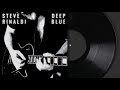
Steve Rinaldi

Rock
Progressive Rock
Alternative Rock
 Viberate Rank: 471850
 Viberate Rank: 471850
 Monthly ListenersFollowers
 Subscribers
 Followers
 Followers
 FansTop Spotify Songs
| Track | 7-Day Streams | |
|---|---|---|
1 | 290 | |
2 | 97 | |
3 | 31 | |
4 | 17 | |
5 | 13 |
Top YouTube VideosMonthly ListenersFeatured in Playlists| Playlist | Followers | |
|---|---|---|
1 |  RELAXING BLUES Instrumental arpeneto | 6.67K |
2 | Bluesrock Bjørn Storli | 2.19K |
Audience| City | Monthly Listeners | |
|---|---|---|
1 |  | 25 |
2 |  | 24 |
3 | | 16 |
4 | | 12 |
5 |  | 11 |
See full performance history, audience data, playlist activity, rankings, comparisons, and more in Viberate music analytics. Start with a free trial, then continue with a paid plan.
Steve Rinaldi’s Spotify BioUnique cinematic guitar soundscapes, with tracks such as Deep Blue, Mind Wide Open, Road to Monaco, Velvet Daydream, and Hollow.
A Boston-area native, Steve's artistic influences are a who's-who of 60s, 70s, and 80s pop and rock radio. It was during his 3-year stint as lead guitarist of the Boston hard rock band, S.T. Rose (1983 - 85), he began to develop the playing style you hear today. In 1986, Steve took an artistic detour, diving head-first into synths, drum machines, vocals, and a more synth-rock approach. 1987 brought the Steve Rinaldi Band, made up of three former members of S.T. Rose -- with Steve as songwriter, keyboardist, and lead vocalist. Songs from this era include This Time, Can't Hear You, Town of No Ambition. 1989 brought a revamped version of the band known as "Big Big World" -- with a reimagined version of Town of No Ambition, along with the songs, Natalie, Words Don't Say It, and many others.
The early 90s saw a return to a more stripped-down guitar and vocal style… -- perhaps the most prolific songwriting period up to that point. After a three-decade break, 2024 will see the rerecording, remixing, and/or re-release (and first-ever recordings) of dozens of vintage 80s and 90s-era songs, a Big Big World reunion, in the form of a re-recorded album, along with the release of a new album of solo material.
Steve's guitar influences include such greats as Gary Moore, Michael Schenker, David Gilmour, Jef Lee Johnson, Neal Schon, and Carlos Santana.
Viberate is a music analytics platform built for A&Rs, artist managers, labels, booking agents, marketers, and artists.
It helps music professionals track artist growth, analyze audience data, monitor playlist activity, compare artists, follow song performance, and identify opportunities across the music market.
Public artist pages provide a free preview of selected artist data. Paid plans provide access to deeper analytics, historical data, charts, comparisons, playlist tools, exports, alerts, reports, and additional professional features.
Yes. Public Viberate artist pages provide selected artist analytics and music data for free.
Viberate also offers a 7-day free trial of the full platform. A credit card is required to start the trial. The trial includes access to the complete product so users can test deeper artist analytics, historical views, playlist insights, comparisons, charts, exports, alerts, and reporting features before choosing a paid plan.
Viberate provides artist analytics across streaming, playlists, social media, video, radio airplay, songs, and audience markets.
Users can analyze Spotify performance, Spotify and Apple Music playlists, YouTube activity, TikTok and Instagram growth, radio spins, song performance, audience locations, demographics, rankings, and overall artist momentum.
Artist profiles also connect to music charts, similar artists, and comparison tools, helping users benchmark performance and evaluate artists in context.
Viberate updates key artist and track data daily.
For followed artists and tracks, selected data is refreshed multiple times per day. This helps teams monitor playlist changes, streaming movement, audience growth, releases, and campaign performance with more current data.
Update frequency can vary depending on the metric and data source.
Yes. Viberate lets users compare up to five artists side by side across streaming, social media, audience, and engagement metrics.
Users can compare fanbase growth, audience demographics, locations, Spotify performance, social metrics, and other artist data over selected time periods.
Artist comparison can be used for A&R scouting, benchmarking, booking decisions, campaign planning, and evaluating artists with similar audiences or market positions.