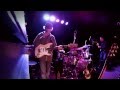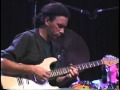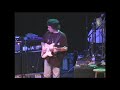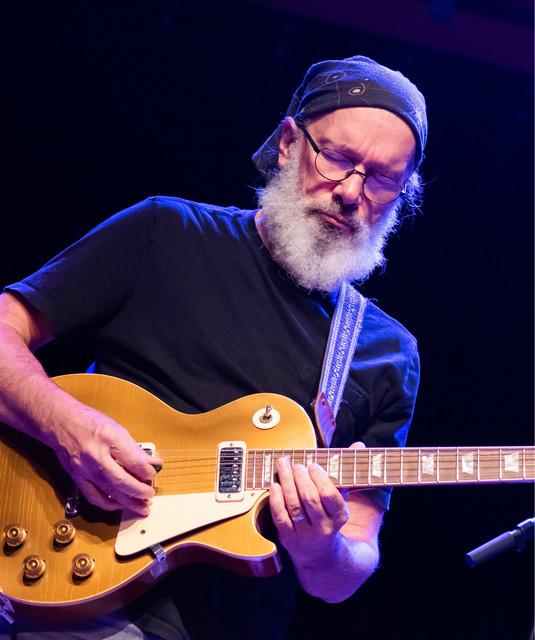
Steve Kimock

Rock
Psychedelic Rock
Progressive Rock
 Viberate Rank: 161075
 Viberate Rank: 161075
 Monthly ListenersFollowers
 Subscribers
 Followers
 Followers
 FansTop Spotify Songs
| Track | 7-Day Streams | |
|---|---|---|
1 | 1.04K | |
2 | 502 | |
3 | 178 | |
4 | 132 | |
5 | 132 |
Top YouTube Videos| Video | 7-Day Views | |
|---|---|---|
1 | 214 | |
2 | 110 | |
3 | 94 | |
4 | 88 | |
5 | 78 |
Monthly ListenersFeatured in Playlists| Playlist | Followers | |
|---|---|---|
1 |  Fusion Fest Spotify | 220.08K |
2 | While You Work (@whileyouwork) Eli Feghali | 81.75K |
3 |  Ambient Western LonnyWheeler | 13.68K |
4 | Jazz Fusion, Progressive Rock, & Jam Bands Curator Seedpicker | 7.16K |
5 | Music for Writing Hans-Peter Akkerman | 5.84K |
Audience| City | Monthly Listeners | |
|---|---|---|
1 | | 188 |
2 | | 126 |
3 | | 118 |
4 | | 113 |
5 | | 80 |
See full performance history, audience data, playlist activity, rankings, comparisons, and more in Viberate music analytics. Start with a free trial, then continue with a paid plan.
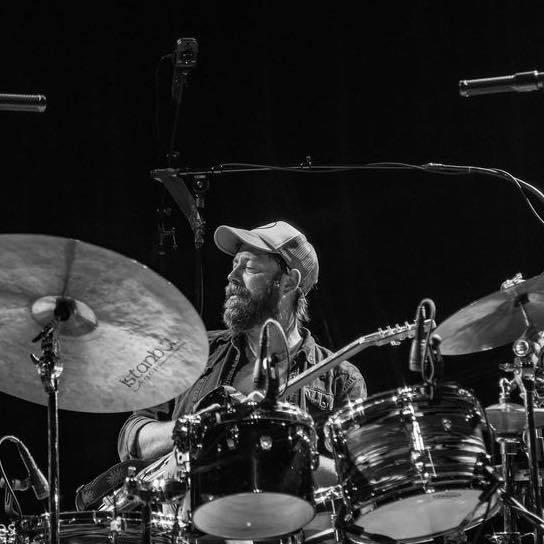
Steve Kimock’s Spotify BioSteve Kimock is perhaps the quintessential Bay Area guitarist, playing in a variety of jazz-rock ensembles from the instrumental Zero to the post-Grateful Dead configurations of the Other Ones and Phil Lesh & Friends. Born in Lancaster, PA, where he played music with family members, Kimock migrated to the Bay Area in the mid-'70s to play with the Goodman Brothers.
Kimock began to play around the area in a variety of outfits, including the Underdogs (with flutist Martin Fierro). He soon began to refine his signature style -- laid-back, carefree, fat, and extremely melodious. In terms of vibe, Kimock has often been compared to the late Jerry Garcia (who once proclaimed Kimock to be his favorite unknown guitarist). Kimock's long association with the Grateful Dead family began in 1979, when he joined Keith and Donna Jean Godchaux's short-lived Heart of Gold Band (which disbanded soon after Keith Godchaux died in an automobile accident). In the Heart of Gold Band, Kimock crossed paths with… drummer Greg Anton.
In 1984, the pair co-founded Zero, an instrumental unit comprised of the pair, along with Fierro, Bobby Vega on electric bass, Pete Sears on keyboards, and former Quicksilver Messenger Service member John Cippolina on guitar. At the behest of Dead lyricist Robert Hunter, the group added vocalist Judge Murphy in 1991. Though the group became a Bay Area institution, recording a half-dozen albums of hippie-ish fusion, they never quite caught on nationally. Throughout his tenure in Zero, Kimock continued to perform with various musicians as Steve Kimock & Friends, with which he released a self-titled album.
When Zero disbanded in the late '90s, Kimock continued on with KVHW, a quartet comprised of himself, Zero bassist Vega, drummer Alan Hertz, and former Frank Zappa sideman Ray White. Around this time, Kimock began to gig regularly with post-Dead configurations, such as the Other Ones (featuring most of the surviving members of the band) in the summers of 1998 and 2000, as well as some of bassist Phil Lesh's projects, through 1999. After a falling out with Lesh, Kimock continued on with KVHW, where he refined his work on electric guitar, as well as lap and pedal steel.
After the departure of White, KVHW morphed into the Steve Kimock Band, which featured Kimock and Vega along with a rotating crew of guitarists and drummers. Eventually, the lineup solidified with drummer Rodney Holmes and guitarist Mitch Stein. Vega left the band in 2001 and was replaced by Alphonso Johnson (coincidentally Lesh's replacement in the 2001 edition of the Other Ones). In 2001, they issued Live in Colorado. In 2002, they released the double set East Meets West. ~ Jesse Jarnow, Rovi
Viberate is a music analytics platform built for A&Rs, artist managers, labels, booking agents, marketers, and artists.
It helps music professionals track artist growth, analyze audience data, monitor playlist activity, compare artists, follow song performance, and identify opportunities across the music market.
Public artist pages provide a free preview of selected artist data. Paid plans provide access to deeper analytics, historical data, charts, comparisons, playlist tools, exports, alerts, reports, and additional professional features.
Yes. Public Viberate artist pages provide selected artist analytics and music data for free.
Viberate also offers a 7-day free trial of the full platform. A credit card is required to start the trial. The trial includes access to the complete product so users can test deeper artist analytics, historical views, playlist insights, comparisons, charts, exports, alerts, and reporting features before choosing a paid plan.
Viberate provides artist analytics across streaming, playlists, social media, video, radio airplay, songs, and audience markets.
Users can analyze Spotify performance, Spotify and Apple Music playlists, YouTube activity, TikTok and Instagram growth, radio spins, song performance, audience locations, demographics, rankings, and overall artist momentum.
Artist profiles also connect to music charts, similar artists, and comparison tools, helping users benchmark performance and evaluate artists in context.
Viberate updates key artist and track data daily.
For followed artists and tracks, selected data is refreshed multiple times per day. This helps teams monitor playlist changes, streaming movement, audience growth, releases, and campaign performance with more current data.
Update frequency can vary depending on the metric and data source.
Yes. Viberate lets users compare up to five artists side by side across streaming, social media, audience, and engagement metrics.
Users can compare fanbase growth, audience demographics, locations, Spotify performance, social metrics, and other artist data over selected time periods.
Artist comparison can be used for A&R scouting, benchmarking, booking decisions, campaign planning, and evaluating artists with similar audiences or market positions.