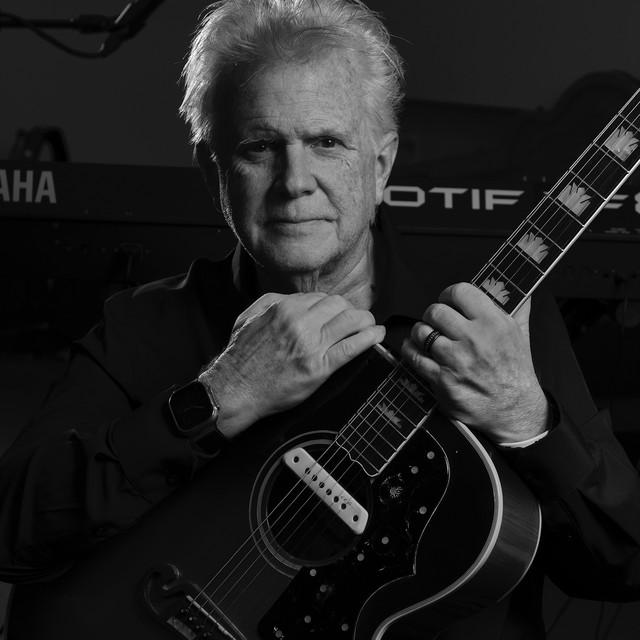
Steve Camp

Religious
Christian Music
 Viberate Rank: 139500
 Viberate Rank: 139500
 Monthly ListenersFollowers
 Subscribers
 Followers
 Followers
 FansTop Spotify Songs
| Track | 7-Day Streams | |
|---|---|---|
1 | 6.19K | |
2 | 3.07K | |
3 | 3.00K | |
4 | 2.97K | |
5 | 2.41K |
Top YouTube VideosMonthly ListenersFeatured in Playlists| Playlist | Followers | |
|---|---|---|
1 | AOR / Melodic Rock Magnus Olsson | 6.17K |
2 |  Jeff Porcaro session tracks Kaare Skare Lystad | 5.98K |
3 | Carmen Christian music v1da95s3o7hi42eujinymbep4 | 3.15K |
4 |  Gospel 70’ 80’s CSatyl | 3.01K |
5 |  City Pop / Funk / Soul Playlist Angie | 2.91K |
Audience| City | Monthly Listeners | |
|---|---|---|
1 | | 512 |
2 | | 385 |
3 | | 360 |
4 | | 284 |
5 |  | 277 |
See full performance history, audience data, playlist activity, rankings, comparisons, and more in Viberate music analytics. Start with a free trial, then continue with a paid plan.
Steve Camp’s Spotify BioResponsible for 15 No. 1 songs and 40+ Top 10s, Steve Camp is a household name in Christian circles. Since the start of his musical career in 1975, Camp has moved millions of units, landed nominations for GRAMMY Awards and GMA Dove Awards, and written or co-written 21 No. 1 singles, including the GRAMMY Award winning song “Martin” by The First Lady of Gospel, Shirley Caesar.
In conjunction with his song “Do Something Now,” he assembled 90 Christian artists (including Amy Grant, Michele Pillar, Gary Chapman & Scott Wesley Brown) to benefit hunger organization, Compassion International – an effort that earned him the President’s Merit Award by NARAS.
In addition to his musical career, Steve Camp followed the tradition of Martin Luther’s Ninety-five Theses, releasing his own 107 Theses on Reformation Day, calling for reformation in the contemporary music and publishing industries.
After 25+ years in Contemporary Christian Music, Camp was called into full-time pastoral ministry. Steve Camp… is now the Senior Pastor of The Cross Church, ordained in 2009.
Throughout his career, Steve Camp has been willing, able, and unafraid to confront hard issues, gaining the reputation that 'if Steve doesn't say it, it doesn't get said'. This rings true in his latest mainstream album released in 2024, titled 'Neighbors In An Age Of Rage', in which Steve speaks from a biblical worldview to today's cultural issues in song, with 27 no holds barred tracks. www.realstevecamp.com
Viberate is a music analytics platform built for A&Rs, artist managers, labels, booking agents, marketers, and artists.
It helps music professionals track artist growth, analyze audience data, monitor playlist activity, compare artists, follow song performance, and identify opportunities across the music market.
Public artist pages provide a free preview of selected artist data. Paid plans provide access to deeper analytics, historical data, charts, comparisons, playlist tools, exports, alerts, reports, and additional professional features.
Yes. Public Viberate artist pages provide selected artist analytics and music data for free.
Viberate also offers a 7-day free trial of the full platform. A credit card is required to start the trial. The trial includes access to the complete product so users can test deeper artist analytics, historical views, playlist insights, comparisons, charts, exports, alerts, and reporting features before choosing a paid plan.
Viberate provides artist analytics across streaming, playlists, social media, video, radio airplay, songs, and audience markets.
Users can analyze Spotify performance, Spotify and Apple Music playlists, YouTube activity, TikTok and Instagram growth, radio spins, song performance, audience locations, demographics, rankings, and overall artist momentum.
Artist profiles also connect to music charts, similar artists, and comparison tools, helping users benchmark performance and evaluate artists in context.
Viberate updates key artist and track data daily.
For followed artists and tracks, selected data is refreshed multiple times per day. This helps teams monitor playlist changes, streaming movement, audience growth, releases, and campaign performance with more current data.
Update frequency can vary depending on the metric and data source.
Yes. Viberate lets users compare up to five artists side by side across streaming, social media, audience, and engagement metrics.
Users can compare fanbase growth, audience demographics, locations, Spotify performance, social metrics, and other artist data over selected time periods.
Artist comparison can be used for A&R scouting, benchmarking, booking decisions, campaign planning, and evaluating artists with similar audiences or market positions.