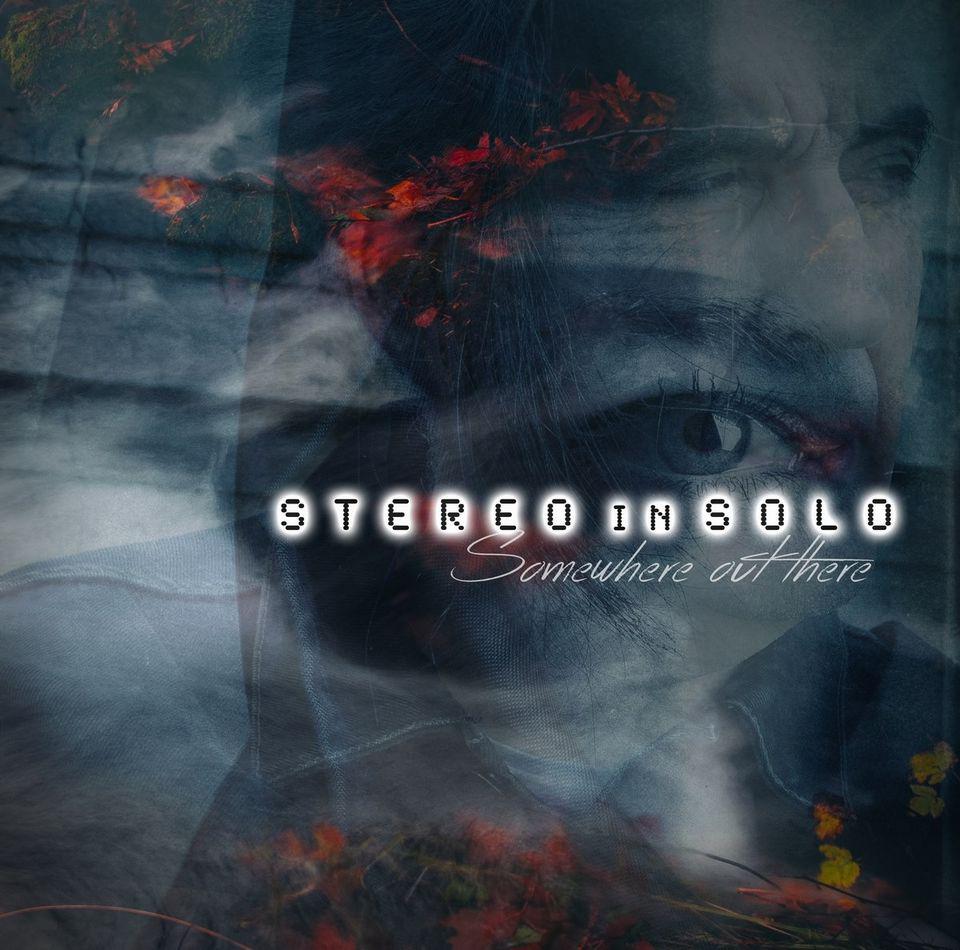
Stereo In Solo

Electronic
Dance
Synthpop
 Viberate Rank: 517033
 Viberate Rank: 517033
 Monthly ListenersFollowers
 Subscribers
 Followers
 Followers
 FansTop Spotify SongsTop YouTube Videos
| Video | 7-Day Views | |
|---|---|---|
1 | 5 | |
2 | 5 | |
3 | 2 | |
4 | 2 | |
5 | 1 |
Monthly ListenersFeatured in Playlists| Playlist | Followers | |
|---|---|---|
1 |  Essential Synthwave Squares | 6.66K |
2 |  Synthwave 101 (Over 1800 artists here and in the archives) Julian Green | 1.56K |
3 |  Glitter 4theLoveofMuzak | 1.13K |
Audience| City | Monthly Listeners | |
|---|---|---|
1 |  | 3 |
See full performance history, audience data, playlist activity, rankings, comparisons, and more in Viberate music analytics. Start with a free trial, then continue with a paid plan.
Stereo In Solo’s Spotify BioSTEREO was created in 1982 as a two piece band by Thierry Noritop and Bernie Adam, both pop music writers and composers.
Their first single “Somewhere in the night” was a minor hit that did pretty well in most of Europe, from Italy to the Northern Countries.
A second single was issued “No more”, again a minor hit.
Despite a very good quality standard, the album “Assembly line” received a mixed welcome, and they decided to call it a day.
Twenty years after, “Somewhere in the night” had become a highly sought after gem in the collectors’ world, especially the 12th that could change hands for 300 pounds a piece!
All along, there was a huge interest for the band on Internet.
A big buzz started, and that caught the attention of Veronica Vasicka ,a New York DJ specialized in reissue of rare albums and EPs, dedicated to cold wave music, with her label Minimal Wave Records.
Thierry and Bernie decided to make a new album in Düsseldorf, and started working with a sound engineer, Ralf Beck, a friend of… Veronica who previously worked with Kraftwerk and Propaganda, two major German bands that had international success.
The result have been “Back to somewhere“.
At the end of 2015 after the release of “Back to somewhere“, Thierry Noritop decided to work on his first solo album in his own recording studio in Paris, a project he had been working on for many years.
The result is STEREO in SOLO with the album "Somewhere out there", released on 23 February 2018 on CD & Digital.
Viberate is a music analytics platform built for A&Rs, artist managers, labels, booking agents, marketers, and artists.
It helps music professionals track artist growth, analyze audience data, monitor playlist activity, compare artists, follow song performance, and identify opportunities across the music market.
Public artist pages provide a free preview of selected artist data. Paid plans provide access to deeper analytics, historical data, charts, comparisons, playlist tools, exports, alerts, reports, and additional professional features.
Yes. Public Viberate artist pages provide selected artist analytics and music data for free.
Viberate also offers a 7-day free trial of the full platform. A credit card is required to start the trial. The trial includes access to the complete product so users can test deeper artist analytics, historical views, playlist insights, comparisons, charts, exports, alerts, and reporting features before choosing a paid plan.
Viberate provides artist analytics across streaming, playlists, social media, video, radio airplay, songs, and audience markets.
Users can analyze Spotify performance, Spotify and Apple Music playlists, YouTube activity, TikTok and Instagram growth, radio spins, song performance, audience locations, demographics, rankings, and overall artist momentum.
Artist profiles also connect to music charts, similar artists, and comparison tools, helping users benchmark performance and evaluate artists in context.
Viberate updates key artist and track data daily.
For followed artists and tracks, selected data is refreshed multiple times per day. This helps teams monitor playlist changes, streaming movement, audience growth, releases, and campaign performance with more current data.
Update frequency can vary depending on the metric and data source.
Yes. Viberate lets users compare up to five artists side by side across streaming, social media, audience, and engagement metrics.
Users can compare fanbase growth, audience demographics, locations, Spotify performance, social metrics, and other artist data over selected time periods.
Artist comparison can be used for A&R scouting, benchmarking, booking decisions, campaign planning, and evaluating artists with similar audiences or market positions.